Why Is My Dog Breathing Fast? Understanding What’s Behind the Panting
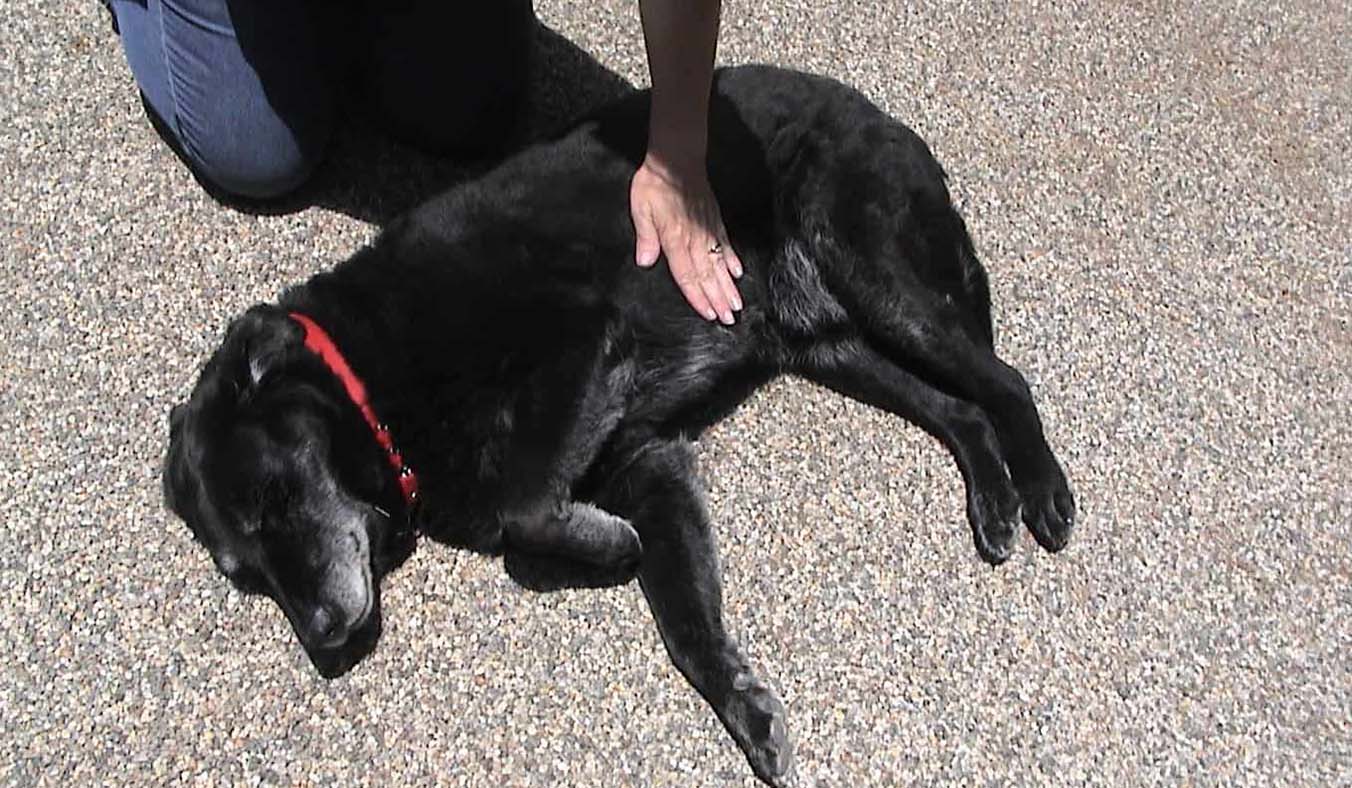
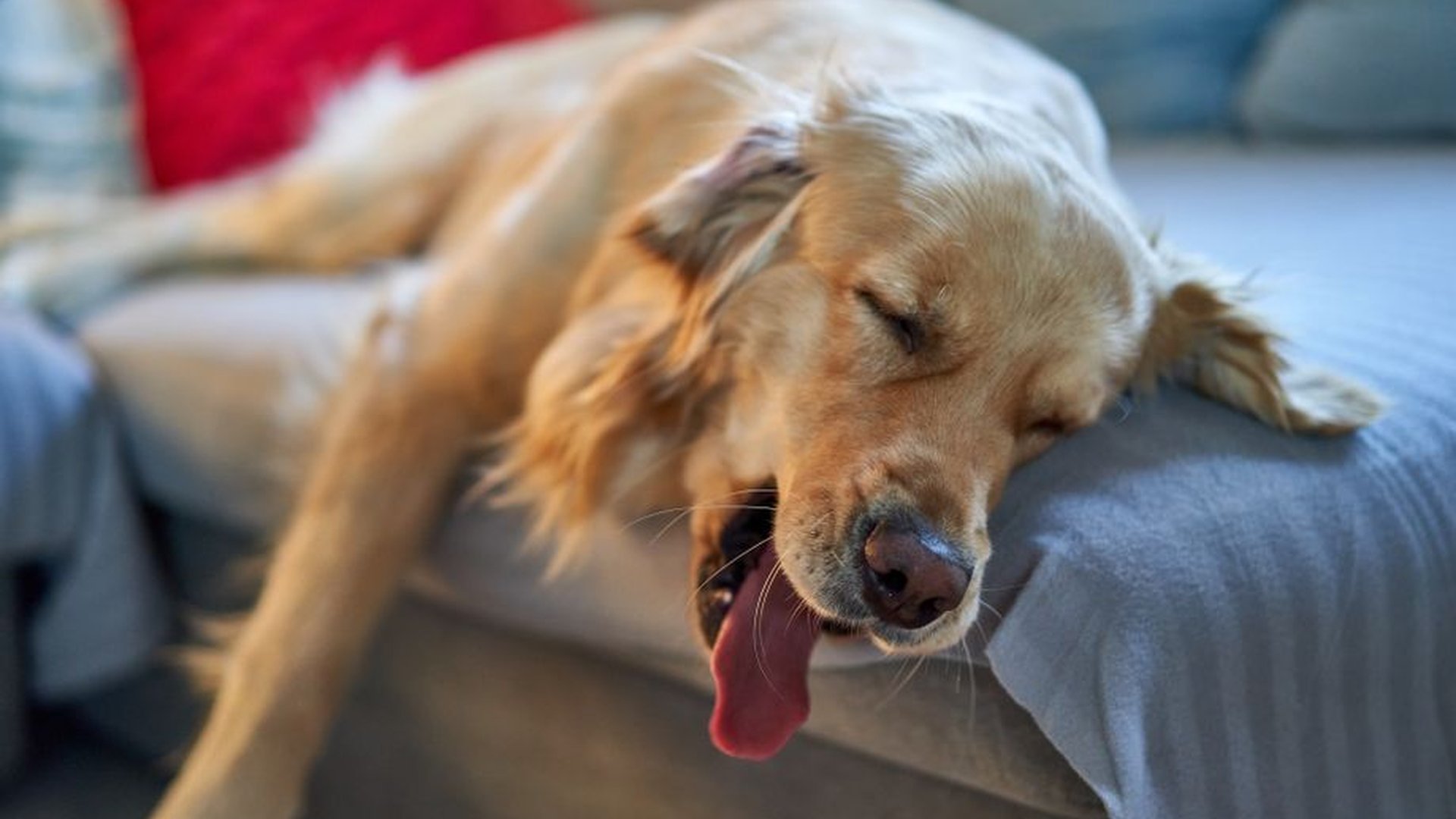
You’re sitting on the couch, sipping coffee, when you glance over and notice your dog’s chest rising and falling faster than usual. His tongue is out, and he’s not just panting after a walk—he’s breathing rapidly, even when resting. This isn’t just a case of a tired pup after playtime. You’re wondering: *Why is my dog breathing fast?* It’s a question that stirs both concern and confusion. The truth is, rapid breathing—technically called tachypnea—can range from completely normal to a red flag for a life-threatening condition. Knowing the difference isn’t just helpful—it’s essential.
Dogs don’t speak our language, but they do communicate through body signs. Fast breathing is a form of messaging. And while occasional heavy panting after exercise is normal, persistent or unexplained fast breathing should never be ignored. This is especially true if you’ve noticed other changes: a blue tint to the gums, weakness, or even collapse. The most critical point? Don’t wait for symptoms to worsen. Early recognition saves lives.
Normal vs. Abnormal: When Panting Is Just Panting
Let’s begin with the good news: not every fast breath means danger. Dogs naturally pant to regulate body temperature, especially during heat or after physical activity. A golden retriever trotting through a summer park might breathe heavily for 10 minutes afterward—this is normal. A small terrier zooming around the backyard after a game of fetch? They’ll need time to recover too. But here’s where most owners get confused: *how long is too long?*
A healthy dog’s breathing rate usually ranges between 10 and 30 breaths per minute at rest. If it’s 40 or higher and doesn’t settle within 10 to 15 minutes after the dog is calm, that’s an alert. So if your dog takes 20 breaths in under 30 seconds while lying quietly on the floor, that’s abnormal. Watch for effort—does he struggle to inhale? Is his belly heaving like a piston? These signs point to respiratory distress, not just fatigue.
Consider the case of Luna, a 7-year-old Pomeranian from suburban Chicago. Her owner, Maria, thought she was just hot after a short walk. But Luna’s breathing didn’t slow. Her gums turned lavender at the edges. A visit to the vet revealed pneumonia—treated in time, but the delay nearly cost her life. That’s why context matters. A dog breathing fast isn’t always sick—just *watchful*.
Common Causes: From Heat to Heart Failure
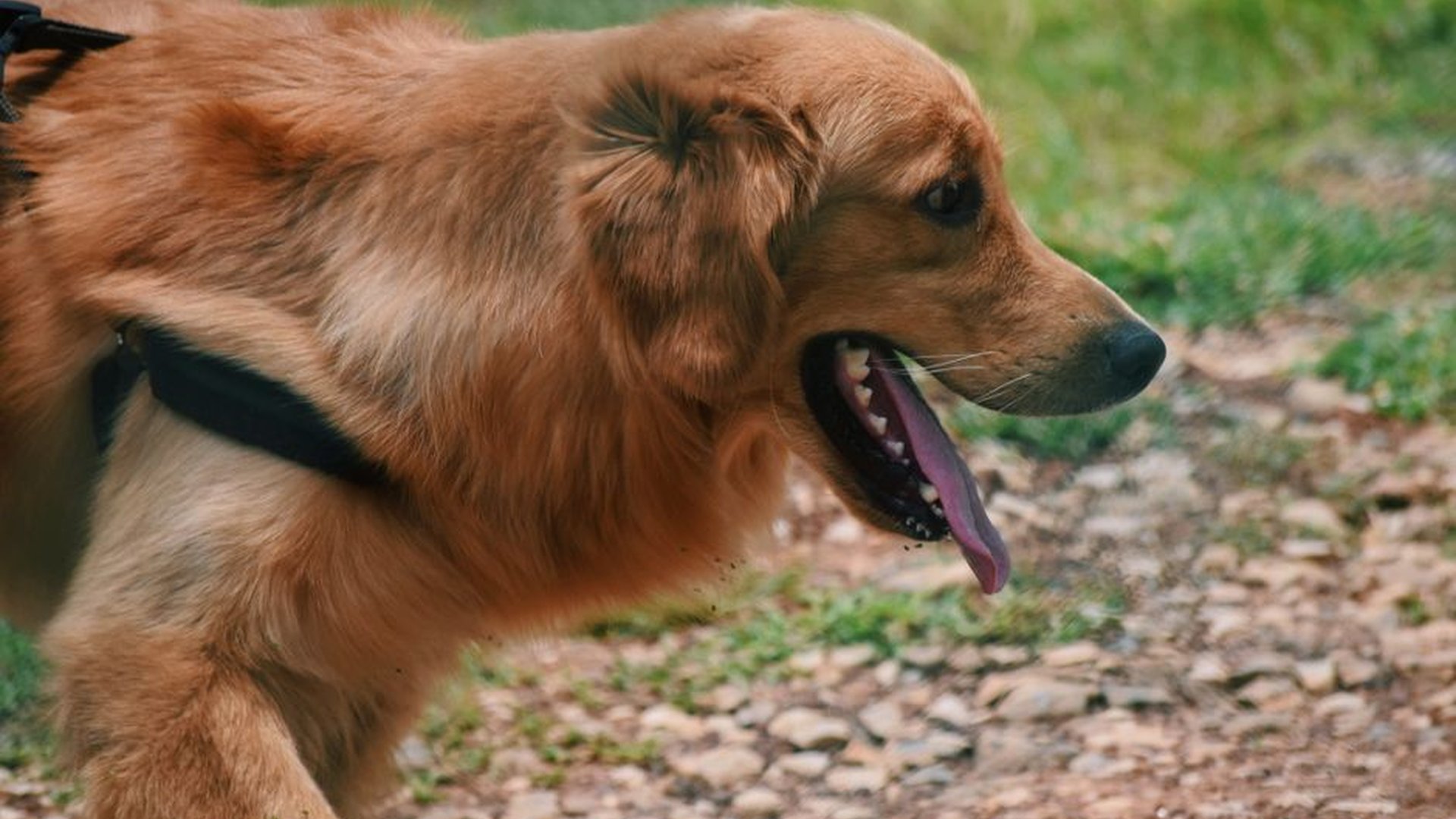
Now that we’ve ruled out normal variation, let’s explore why dog breathing might become fast. These causes fall into three main categories: environmental, physical, and medical. The most frequent culprits include overheating, stress, pain, and conditions affecting the heart or lungs.
Overexertion and heat are top reasons for temporary fast breathing. Dogs can’t sweat like we do—they rely on panting to cool down. If your dog has been outside in 90-degree weather, breathing rapidly is expected. But if he’s still breathing fast indoors, with a cold drink and fans on, that’s a warning. Climate change has made heatwaves more intense—more dogs now face heat stress, especially brachycephalic breeds like Bulldogs and Pugs, whose flat faces make cooling harder. These dogs often struggle just to breathe normally under stress.
Pain can also trigger rapid breathing. After surgery, or even from an injured paw, a dog will breathe faster as part of its stress response. This is known as pain-induced tachypnea. Even internal pain—such as from gastrointestinal issues or pancreatitis—can manifest as fast breathing. A 4-year-old mixed-breed named Rocky in Austin, Texas, was brought in because he was panting heavily and refusing food. He had a twisted stomach (gastric dilatation-volvulus), a life-threatening condition caused by gas buildup in the stomach. His rapid breathing was a symptom, not a cause.
The most serious causes, however, involve the heart and lungs. Heart disease—especially in older dogs—can lead to fluid buildup in the lungs (pulmonary edema), causing labored breathing. Symptoms include blue gums, coughing at night, or fainting after mild exercise. In breeds like the Dachshund or Cocker Spaniel, heart murmurs often appear before symptoms. A 10-year-old Cocker named Daisy from Portland had a routine check-up that caught a mild mitral valve leak. Early treatment prevented major heart failure.
Lung issues like bronchitis, asthma, or pneumonia also cause fast breathing. Pneumonia often comes with fever, lethargy, and cough. But sometimes, it starts subtly—just a dog who breathes faster at night, or wakes up gasping. In one coastal case in San Diego, a 6-year-old Beagle named Scout developed nighttime breathing trouble after a regional wildfire. His lungs were inflamed from smoke particles. Once treated with steroids and oxygen, he recovered—but only because his owner noticed the pattern and acted.
When to Act: The 3 Signs That Demand a Vet Visit
Not every fast breathing needs a trip to the vet, but certain signs mean you should not wait. These are your must-act red flags:
1. **Breathing Rate Over 40 per Minute at Rest**: Measure it for a full minute. If your dog breathes more than 40 times while lying down, not after exercise, see a vet. This isn’t normal.
2. **Blue or Gray Gums (Cyanosis)**: This is a medical emergency. It means the dog isn’t getting enough oxygen. If you notice this, call a vet immediately—this is not a matter for home monitoring.
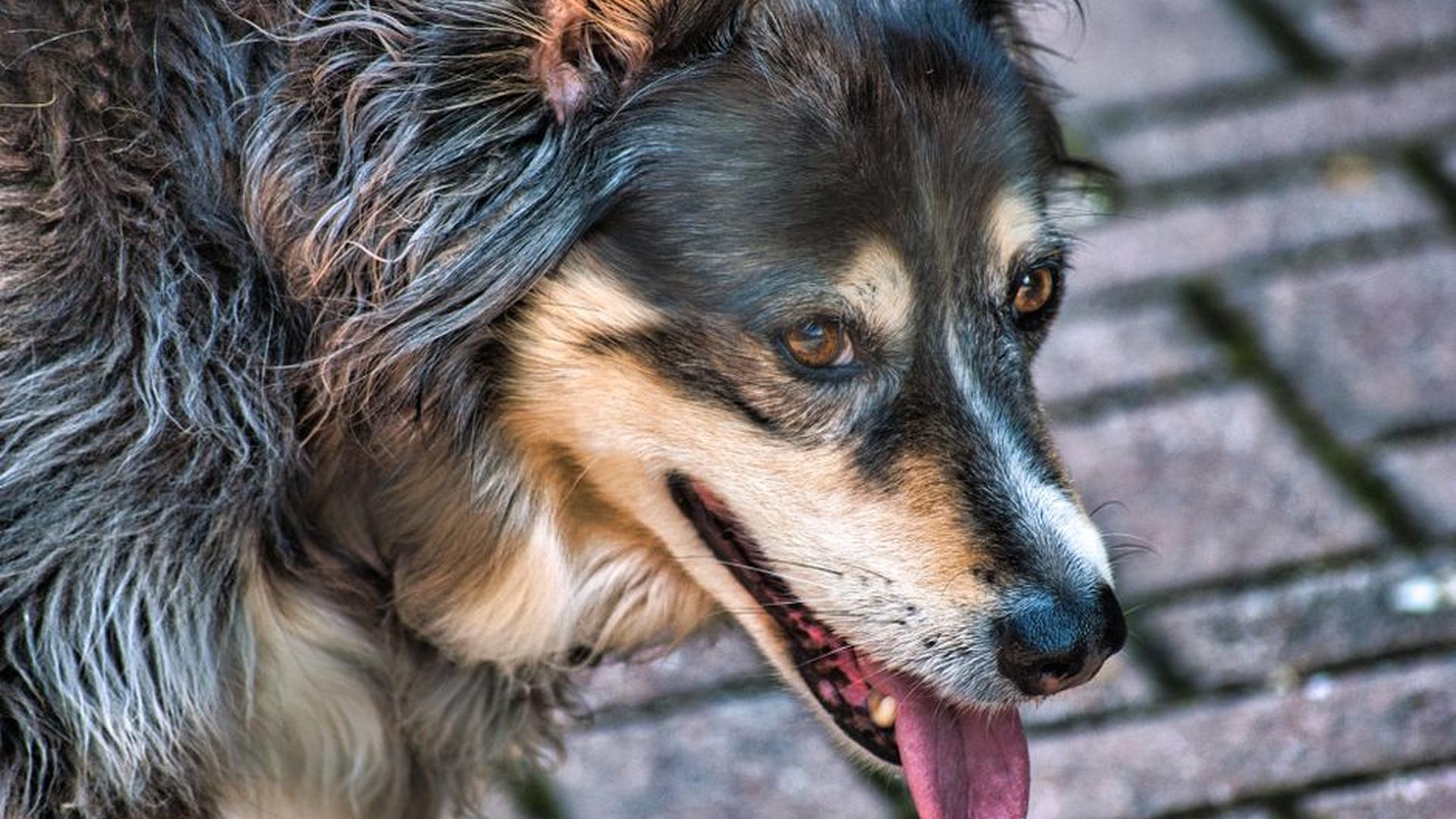
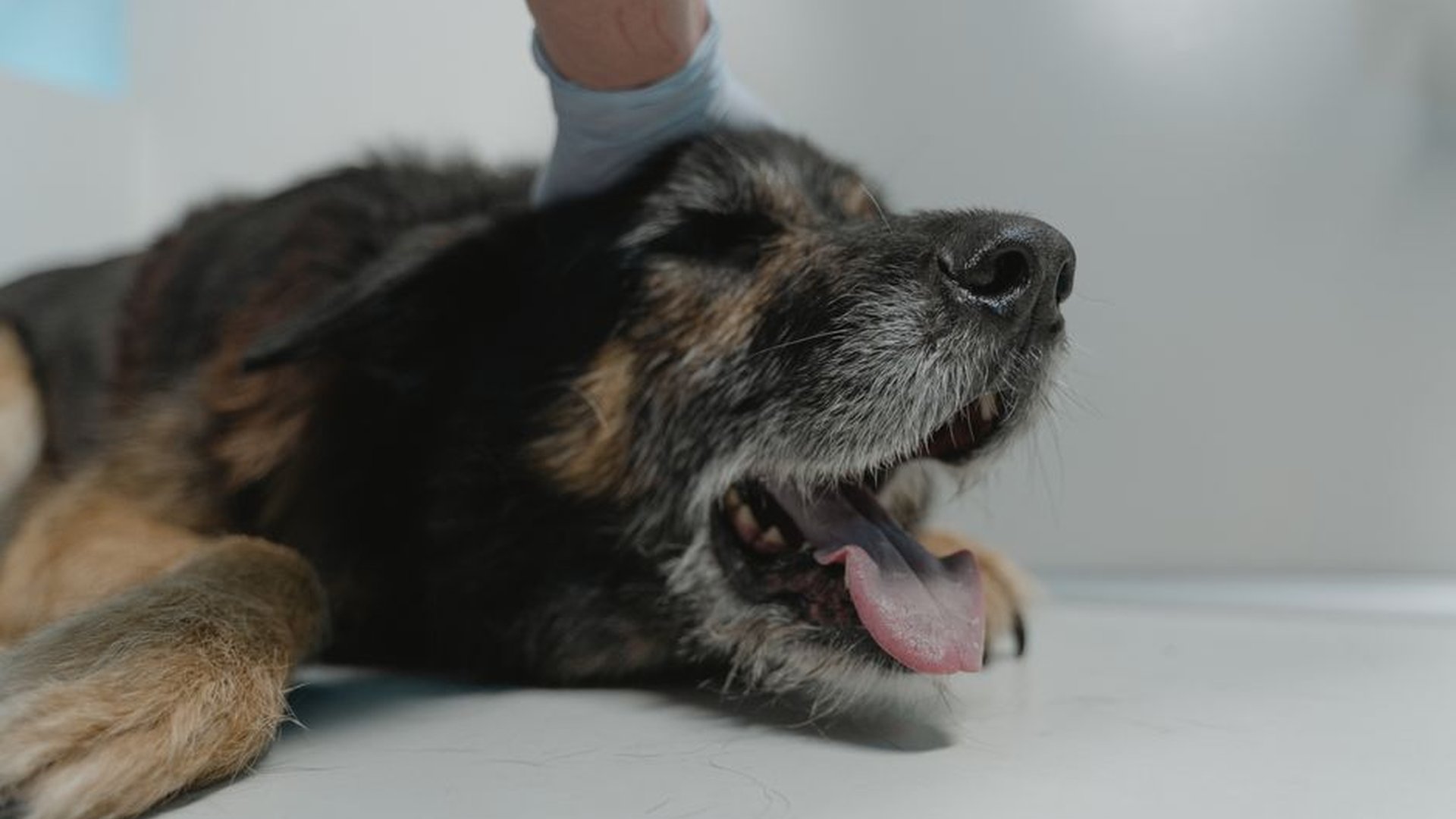
3. **Open-Mouth Breathing with Effort**: If your dog’s tongue is protruding, he’s using his belly muscles to breathe, or you hear wheezing or grunting—this is respiratory distress. These signs often appear suddenly, even in healthy dogs.
If any of these three are present, don’t delay. Time is critical. A dog with severe respiratory distress might collapse within minutes. The average vet visit for fast breathing takes 30 to 60 minutes. But if you wait 2 hours, the outcome changes dramatically.
What Happens at the Vet? Why Early Care Matters
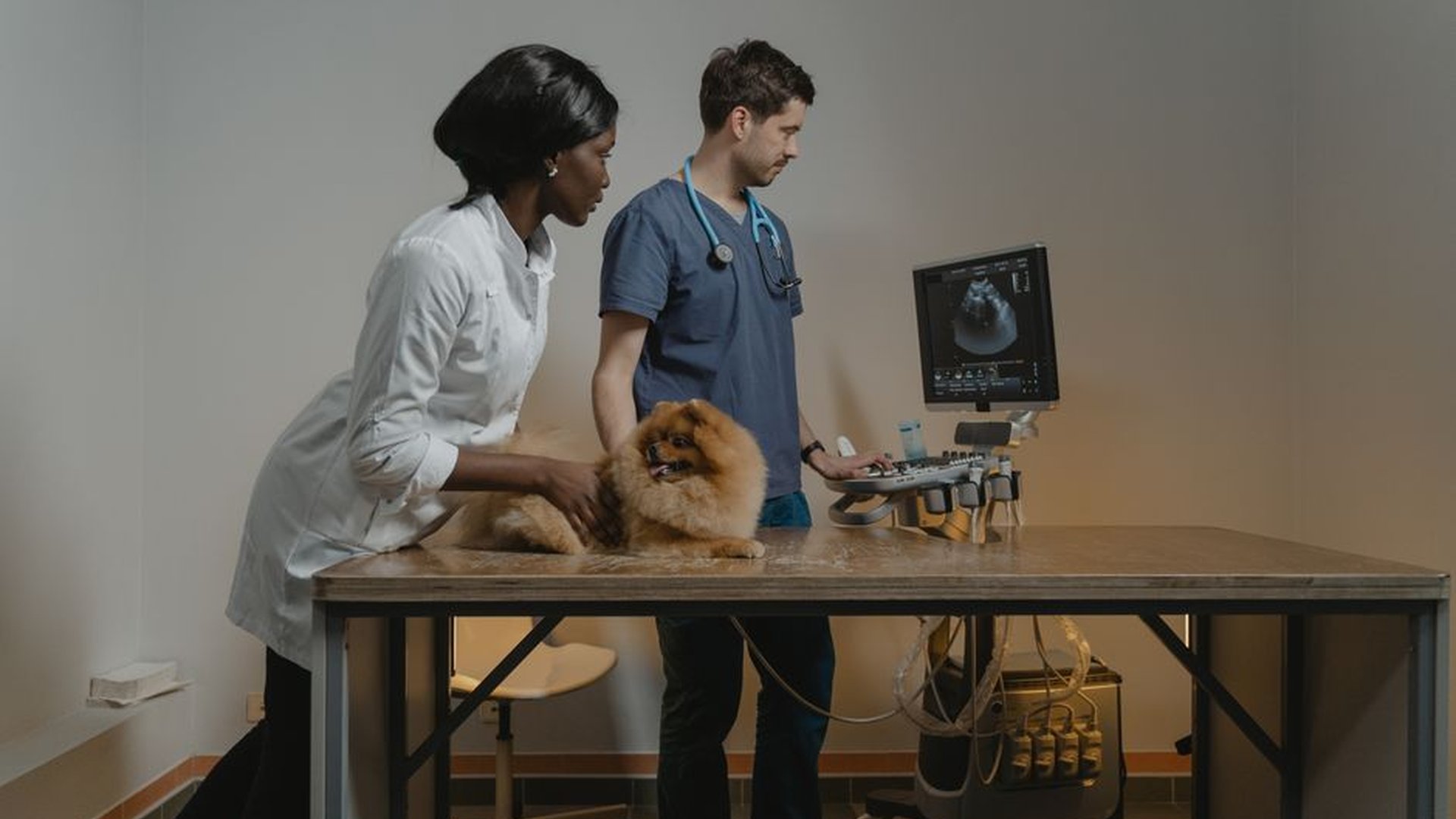
When you bring your dog in, the vet will assess his breathing rate, listen to his heart and lungs, and likely run tests. These may include an X-ray to check for fluid in the lungs, a blood test to assess oxygen levels, or an echocardiogram to evaluate heart function.
The good news? Many causes of fast breathing are treatable. Heat exhaustion? Cool down, give fluids, monitor. Pneumonia? Antibiotics and rest. Heart disease? Medication to reduce strain and manage symptoms.
Early diagnosis allows for preventive treatment. For example, a dog diagnosed with mitral valve disease early may live for 5 years or more with medication, instead of months. In one study, dogs who received treatment within 48 hours of symptom onset had a 60% higher survival rate than those who delayed.
Keep in mind: home remedies like cold water baths or over-the-counter supplements are not substitutes for medical care. They might offer short-term relief, but they won’t fix heart failure or pneumonia.
Prevention and Monitoring: Be Your Dog’s Guardian
Prevention starts with awareness. Learn your dog’s normal breathing rate. Check it at rest once a week—just count breaths for 60 seconds. Keep a log. This way, if you notice a change, you’ll know. Use a timer on your phone. It’s simple.
Watch for patterns: Does your dog breathe fast only after a car ride? After a new chew toy? Or at night, when he’s in a noisy room? These clues help narrow down the cause.
Finally, build a relationship with a vet who understands dog cardiorespiratory health. Ask about baseline heart checks, especially if your dog is over 7 years old, or a breed prone to heart disease. Early screening prevents crises.
Fast breathing in dogs isn’t always a crisis. But it’s never just ‘normal’ to ignore it. Your dog may not ask for help—you have to be the one to notice. Listen. Watch. Act. Because peace of mind begins not in soothing words, but in knowing your dog’s breathing is safe, strong, and steady.