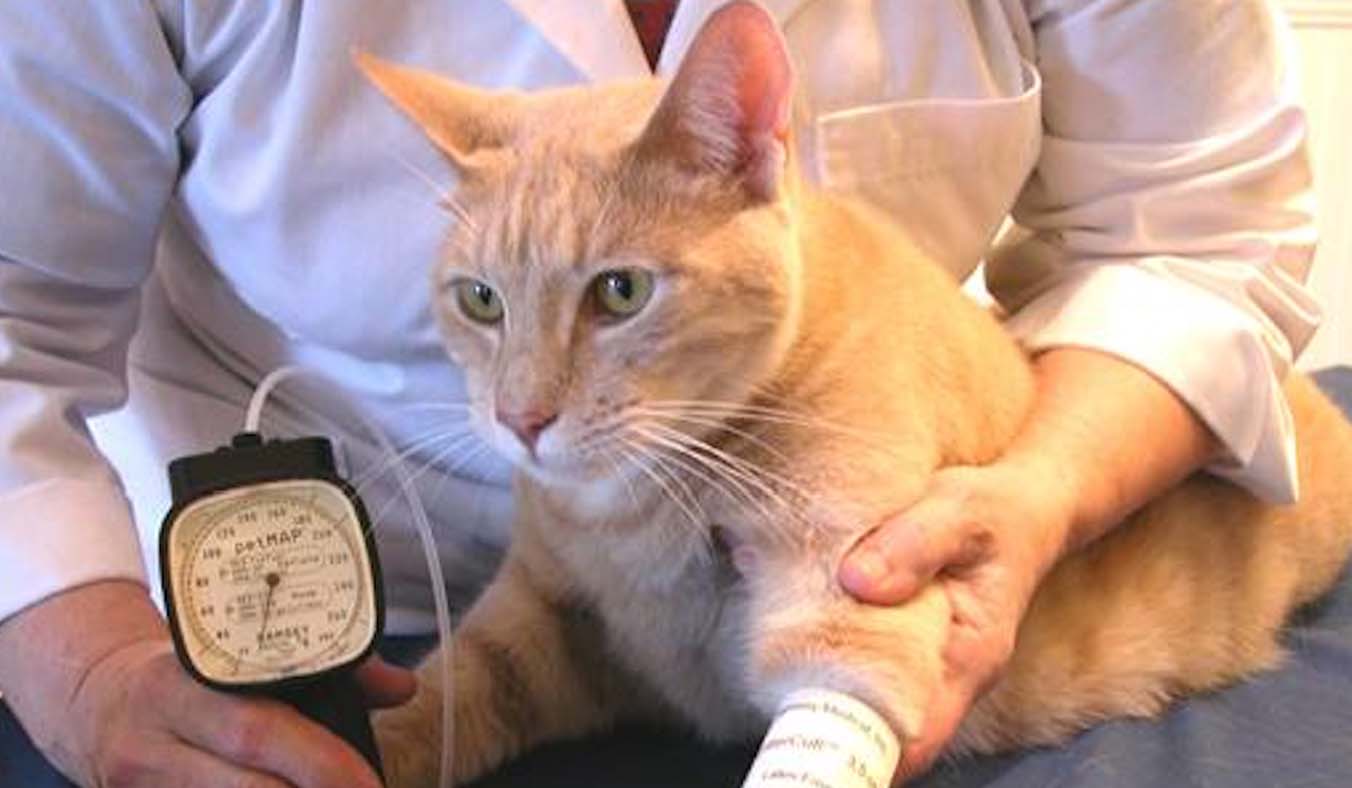
This tender moment often occurs when we’re close with our pets. But that small, resilient heart beating steadily beneath the fur is not just a rhythm of life—it’s a hidden carrier of vital health messages we often overlook.
In recent years, I’ve paid more attention to pet heart health. Not due to an emergency, but because of an unexpected routine checkup that made me realize: many cases of heart disease in pets show subtle signs long before a diagnosis. The problem? We often don’t know what to look for.
1. Where Exactly Is a Pet’s Heart Most Vulnerable?
We often call the heart the engine of life, and that’s just as true for dogs and cats. The heart keeps the blood circulating, delivering oxygen and nutrients throughout the body. When it malfunctions, it can impact breathing, movement, digestion, and even the nervous system.
Pet heart disease typically falls into several categories:
- Valvular Heart Disease (most common)
Frequently seen in small, older dogs like Maltese or Cavalier King Charles Spaniels. As the valves age and thicken, blood may leak backward, burdening the heart. - Dilated Cardiomyopathy (DCM)
Common in medium to large dogs. The heart muscle becomes thin and dilated, weakening its ability to pump blood effectively. - Hypertrophic Cardiomyopathy (HCM)
The most prevalent heart condition in cats, especially Maine Coons, Ragdolls, and British Shorthairs. The thickened heart walls reduce the space for blood to flow. - Congenital Heart Defects
Some pets are born with structural abnormalities, such as patent ductus arteriosus (PDA) or ventricular septal defect (VSD), often showing symptoms in puppyhood or kittenhood. - Arrhythmias
Irregular heartbeats—whether too fast, too slow, or erratic—can result in fainting or sudden collapse.
2. The Overlooked Signs of Heart Disease in Pets
Unlike humans, pets can’t tell us they feel chest pain. Recognizing early signs is crucial for prevention and timely care. Here are symptoms I always watch for:
- Coughing: Especially after exercise or early in the morning—commonly seen in dogs with heart issues.
- Labored or rapid breathing: Panting while resting, nighttime wheezing, or open-mouth breathing in cats.
- Decreased stamina: Once energetic pets may now tire quickly after minimal activity.
- Lethargy: Increased rest or reluctance to move.
- Swollen abdomen: Could indicate fluid buildup from right-sided heart failure.
- Reduced appetite or unexplained weight loss: Particularly concerning if the pet eats normally.
- Fainting or sudden collapse: A serious indicator of arrhythmia or oxygen shortage.
If any of these signs appear—even subtly—it’s important to schedule a check-up promptly.
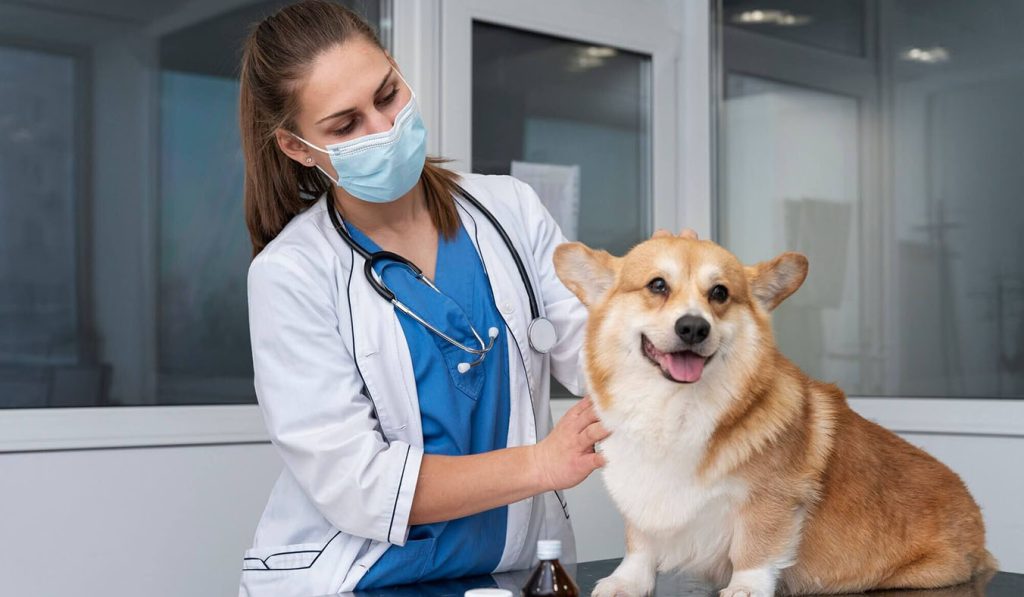
3. Screening: The First Step Toward Prevention and Early Diagnosis
Heart disease is often a “silent killer” in pets. Symptoms may appear only when the disease is advanced. This makes regular screening essential.
Common diagnostic tools include:
- Auscultation
Using a stethoscope to detect heart murmurs. This is a basic exam but depends heavily on the vet’s skill and the pet’s cooperation. - Cardiac Ultrasound (Echocardiography)
The most direct way to assess heart structure and function, including chamber size, valve condition, and blood flow velocity. - Electrocardiogram (ECG)
Used to diagnose arrhythmias such as atrial fibrillation, premature beats, or bradycardia. - X-rays
Helpful in visualizing heart enlargement or fluid in the chest cavity. - NT-proBNP Test
A blood biomarker useful for detecting chronic cardiac stress, particularly in cats.
I usually recommend starting annual heart ultrasounds and ECGs at age 6 for medium/large dogs and at age 8 for small dogs or cats—earlier for high-risk breeds.
4. Nutrition Plays a Bigger Role in Heart Health Than You Might Think
Many believe diet and heart health are only loosely related. In reality, the nutrients pets consume can significantly impact their cardiac function. Key dietary factors include:
- Sodium Restriction
High-sodium diets cause fluid retention, increasing the heart’s workload. Pets with heart disease should consume low-sodium formulas and avoid salty treats like jerky or cheese. - Taurine and L-Carnitine Supplementation
These nutrients are essential for heart muscle function. Taurine deficiency has been linked to dilated cardiomyopathy, especially in cats and large dogs. - Omega-3 Fatty Acids
DHA and EPA (found in fish oil) help reduce inflammation and improve vascular elasticity. Choose high-purity products with low heavy metal levels. - Weight and Calorie Management
Obesity is a major risk factor, burdening the circulatory system. Balanced macronutrient ratios and portion control are key—prescription weight management food may be necessary.
I’ve developed the habit of tracking monthly weight changes, reading ingredient labels, and maintaining a strict feeding schedule. In the details of daily care lies the foundation for long-term health.
5. Managing Heart Disease Requires More Than Just Medication
For many pet owners, the first reaction after a diagnosis is, “Will they be on meds forever?” While most heart diseases are irreversible, with proper care and lifestyle adjustments, pets can still enjoy a high quality of life.

- Follow Prescriptions and Schedule Check-ups
Common meds include diuretics, ACE inhibitors, positive inotropes like pimobendan, and antiarrhythmics. Doses should be tailored to the pet’s condition and updated regularly. - Encourage Light but Regular Exercise
Moderate activity enhances cardiovascular strength and prevents weight gain. Short walks, gentle play, and low-impact chasing are beneficial. - Avoid Heat and Humidity
In summer, ensure ventilation and cooling; in winter, maintain warmth to avoid blood pressure fluctuations. - Monitor Breathing and Heart Rate
A resting dog should breathe fewer than 30 times per minute, a cat fewer than 40. Higher rates may indicate fluid buildup or heart failure. - Minimize Stress and Emotional Extremes
Overexcitement or fright can trigger arrhythmias. A calm, predictable environment greatly eases cardiac strain.
6. Breed and Genetics: The Invisible Risks of Heart Disease
Not all heart issues are age-related. Some breeds are genetically predisposed to cardiac problems. Knowing your pet’s risk can help you act sooner.
Breeds prone to heart disease include:
- Small Dogs: Cavalier King Charles Spaniels, Pomeranians, Chihuahuas, Maltese, Poodles (prone to valvular disease)
- Medium/Large Dogs: Dobermans, Boxers, Great Danes, Irish Wolfhounds (higher risk for DCM)
- Cats: Maine Coons, Ragdolls, British Shorthairs, American Shorthairs (commonly affected by HCM)
For these breeds, cardiac screenings between 3–5 years of age are advisable. Early detection can be life-saving.
7. True Love Is Noticing the Unspoken Cries for Help
Heart disease isn’t like a skin condition—it’s not visible. It’s not like a broken bone—you can’t spot it in a limp. It’s a “silent erosion,” quietly draining energy, breath, and hope.
I’ve learned that being a good pet parent means more than checking food bowls or watching for bouncy energy. It means listening to the silent rhythm of their hearts—whether it beats strong, steady, or suddenly changes.
Every time I place a stethoscope on their chest, count their breaths, or see a “normal” result on their check-up report, I’m reminded of the responsibility I carry: to protect a beating heart, and to guard a life that can’t ask for help—but hopes for it every day.