Understanding Separation Anxiety in Dogs
Separation anxiety is more than just a dog barking when you leave the house. It’s a deep emotional distress that kicks in as soon as your dog senses you’re about to go. You might come home to shredded furniture, chewed shoes, or a dog howling nonstop for hours. These aren’t acts of rebellion—they’re cries for help. In the U.S., up to 14% of dogs show signs of separation anxiety, often developing after a major life change like moving, a new baby, or even a simple routine shift. One owner in Chicago shared that her 3-year-old rescue, Max, started howling every time she picked up her keys. That’s not just behavior—it’s panic.
The root cause is simple: dogs are pack animals. They form strong emotional bonds with their humans. When you leave, they interpret it as abandonment. Their bodies flood with cortisol, the stress hormone, triggering symptoms like pacing, drooling, vomiting, or even self-harm. If left unaddressed, this anxiety can worsen, leading to aggressive outbursts or destruction that damages your home and your relationship.
Start with a Clear Diagnosis
Before jumping into solutions, confirm it’s actually separation anxiety—and not another issue. A dog who pees when you leave might have a medical problem. A dog who chews when bored isn’t anxious, but under-stimulated. Visit your vet first to rule out urinary infections, pain, or thyroid issues. Once medical causes are out, observe your dog’s behavior within 20 minutes of your departure. If they’re calm while you’re home but panic as soon as you walk out—especially if they’re on a leash or collared when you leave—separation anxiety is likely.
Avoid relying on videos or social media trends. Many owners mistakenly label a dog’s excitement at your return as ‘anxiety,’ but that’s normal dog joy. True separation anxiety involves fear-based behaviors that happen *before* you leave, not after. Use a camera to record your dog’s behavior while you’re away. Look for signs like: digging at doors, excessive barking, or destroying items as you leave. These details help you and your vet create a tailored plan, not a guess.

Build a Calm Departure Routine
The moment you decide to leave is the most critical part of the day for your anxious dog. Any ritual—like grabbing keys, putting on shoes, or saying goodbye—can trigger fear. Imagine your dog watching every move: you pick up your bag, tap your phone, and say, ‘I’ll be back in an hour.’ To them, it’s like a countdown to abandonment.
Break the pattern. Walk out the door without a word. Don’t make eye contact, don’t pat, don’t say goodbye. Use a neutral tone, like saying, ‘I’ll be back later.’ Start small: leave for 30 seconds, come back, reward calmness with a treat. Repeat 5 times a day. Gradually increase to 1 minute, then 5, 10. The goal isn’t to leave longer—it’s to prove you *always* return. You’re not teaching them to stay alone—you’re teaching them that your absence isn’t a threat.
One owner in Austin used a trick: she put on her coat, sat at the door for 20 seconds, then walked out with her keys but returned in 10 seconds. No noise, no fuss. After two weeks, her dog, Luna, stopped barking at the door. The routine worked because it removed the emotional trigger. Calm departure = calm return.
Use Positive Reinforcement and Training
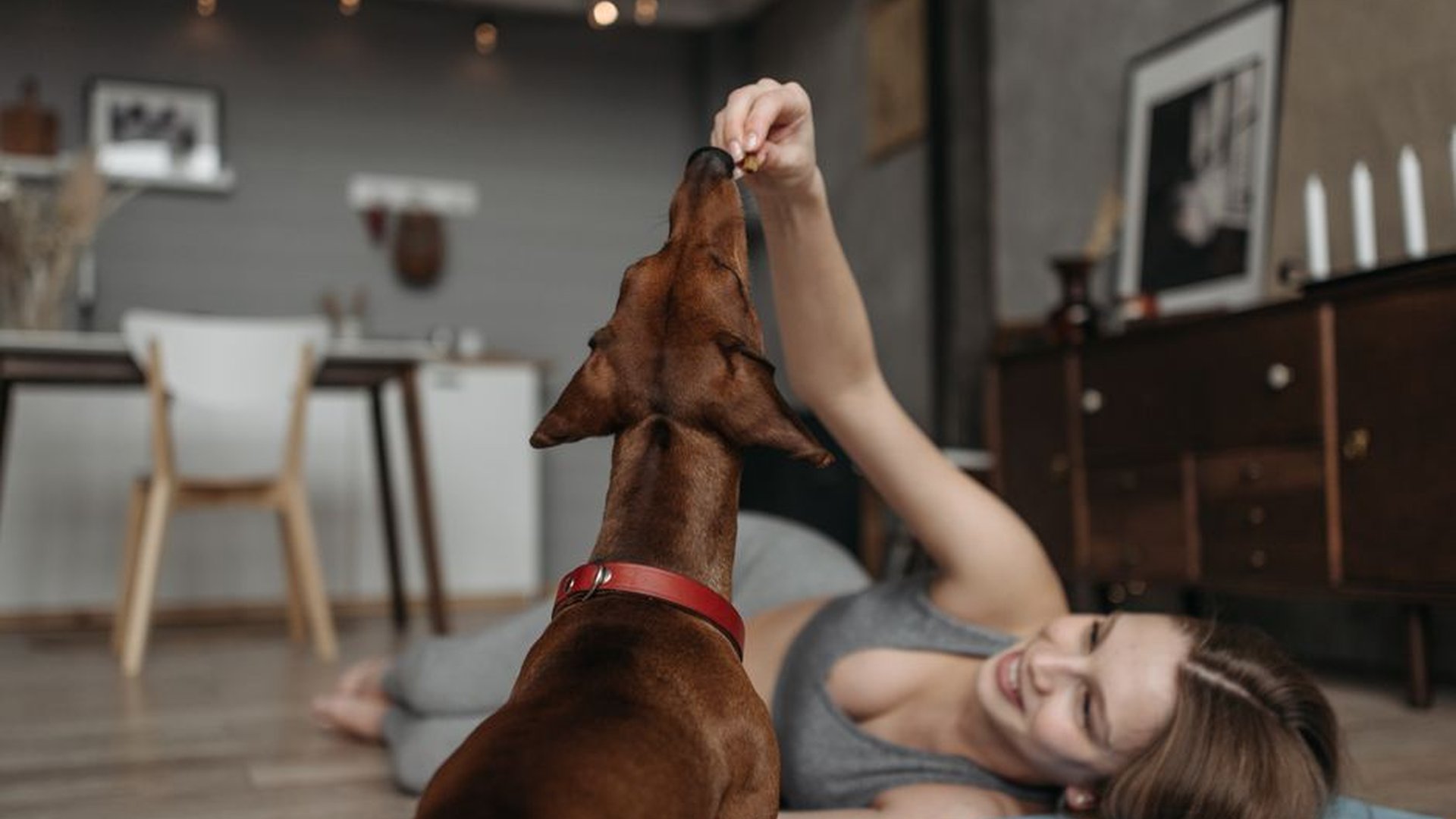
Nothing works better than pairing your dog’s calmness with a reward. When your dog stays relaxed during your absence—even if they’re just lying down—give them a high-value treat the second you return. This builds a new association: ‘When I stay calm, good things happen.’ Avoid giving treats *during* your absence. That teaches them to wait for you to leave to get a reward, which worsens anxiety.
Try the ‘Leave It’ game. Place a treat on the floor, then say ‘Leave it.’ When they stop trying to grab it, reward them. Practice this at home, then try it when you’re about to leave. Turn it into a game: ‘If you stay calm, you get the treat.’ Over time, your dog learns to self-soothe instead of reacting.
For dogs who chew or bark, use a food puzzle toy filled with kibble. The mental challenge distracts them from your absence. A dog in Seattle used a KONG toy stuffed with peanut butter and dog-safe yogurt. Her 5-year-old lab stayed calm for 45 minutes while she was at work—something she never did before. It wasn’t magic. It was training.
Design a Safe and Soothing Environment
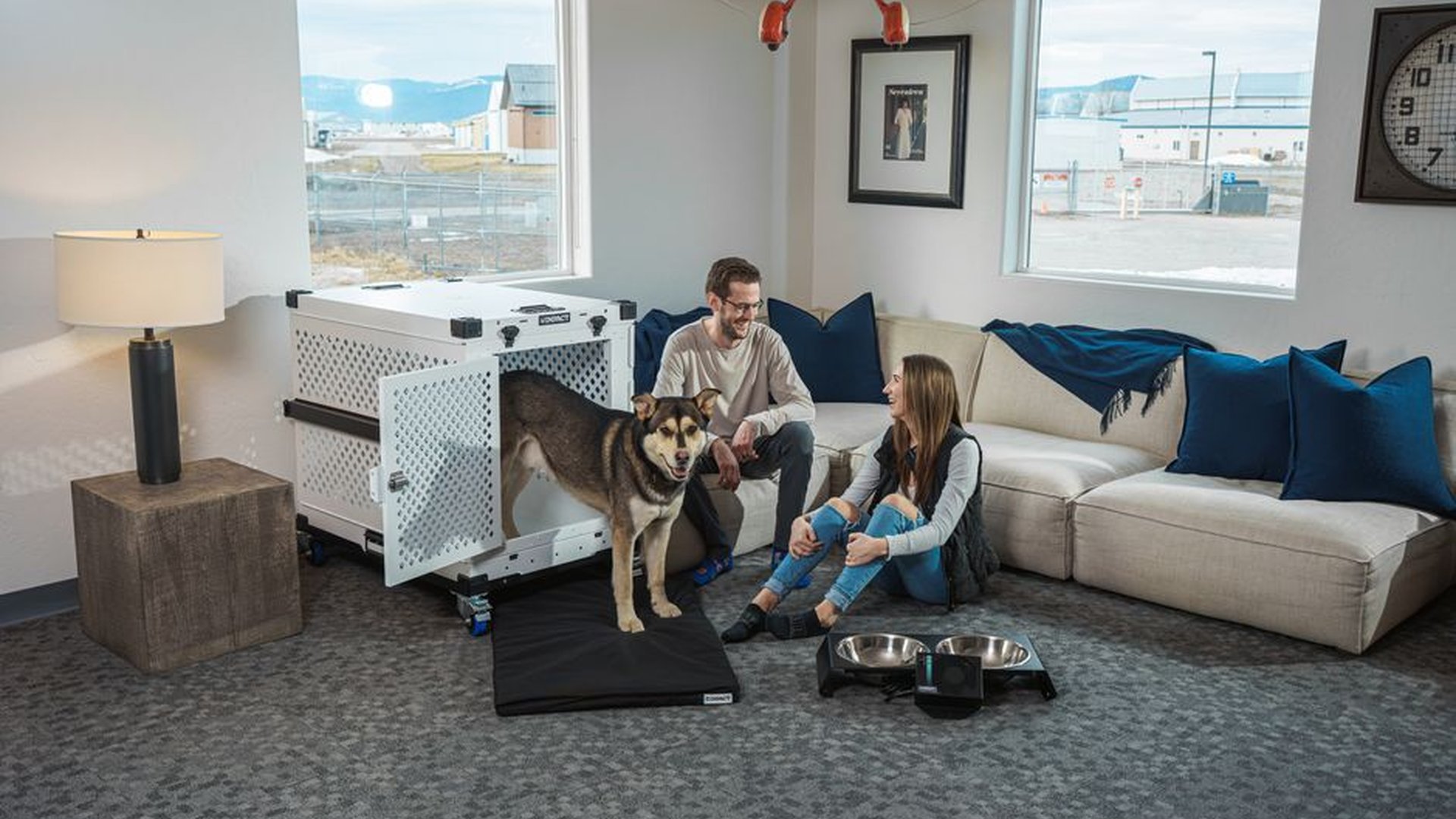
Your dog doesn’t need a fancy den. They need a place where they feel physically and emotionally secure. Create a ‘safe zone’—a crate, a corner with a bed, or a quiet room. Line it with familiar items: their favorite blanket, a worn t-shirt with your scent, or a piece of clothing you’ve worn. These items carry your smell and act as emotional anchors.
Reduce stimuli. Close blinds, turn off TVs, and silence the doorbell. Sounds can trigger fear. Use a white noise machine or soft music to mask external noises. A study from the University of Lincoln found that classical music reduced stress in shelter dogs by 41%. Play calming tracks like ‘The Chill Zone’ or ‘CALM: Dogs’ on a loop.
Never punish your dog for anxious behaviors. Screaming, yelling, or using a spray bottle makes them more fearful. If they destroy something, don’t scold—they’re not being naughty. They’re in distress. Instead, clean the mess without drama. Use positive channels: you’re not fixing a problem—you’re building a new story.
When to Seek Professional Help
If your dog’s anxiety persists despite training, consult a certified applied animal behaviorist (CAAB) or a veterinary behaviorist. These aren’t just trainers—they’re professionals trained in animal psychology and neuroscience. They can assess your dog’s behavior, recommend medication if needed, and guide you through a full behavior modification plan.
Medication is not a shortcut. It’s a tool. For example, fluoxetine (a common prescription) helps reduce fear responses, making training more effective. It’s not for every dog—only those with moderate to severe anxiety. Your vet will monitor progress and adjust dosage slowly.
Remember: separation anxiety isn’t your dog’s fault. It’s not a control issue, a dominance problem, or a sign of bad parenting. It’s a medical and behavioral condition. With patience, consistency, and science-backed tools, you can help your dog feel safe—even when you’re not home.