Thinking Dry Food Is Enough for a Balanced Diet
Many cat owners assume that offering dry food daily is a complete solution to their pet’s nutrition. After all, it’s convenient, widely available, and marketed as “complete and balanced.” But here’s the truth: dry food alone often falls short in meeting a cat’s biological needs. Unlike dogs, cats are obligate carnivores—meaning their bodies are built to thrive on animal-based protein, not plant-heavy diets. The high carbohydrate content in most dry kibble disrupts a cat’s natural metabolism and can lead to obesity, diabetes, and urinary tract issues. A case in point: Sarah, a 34-year-old teacher in Portland, noticed her 7-year-old cat, Whiskers, was gaining weight and lethargic. Her vet revealed Whiskers had early signs of insulin resistance—linked directly to a diet dominated by dry food. Switching to a high-protein, low-carb wet food plan reversed the symptoms within six months. Always check the ingredient list. If meat is not the first three ingredients, it’s not truly feline-friendly.
Feeding Without Monitoring Portion Sizes
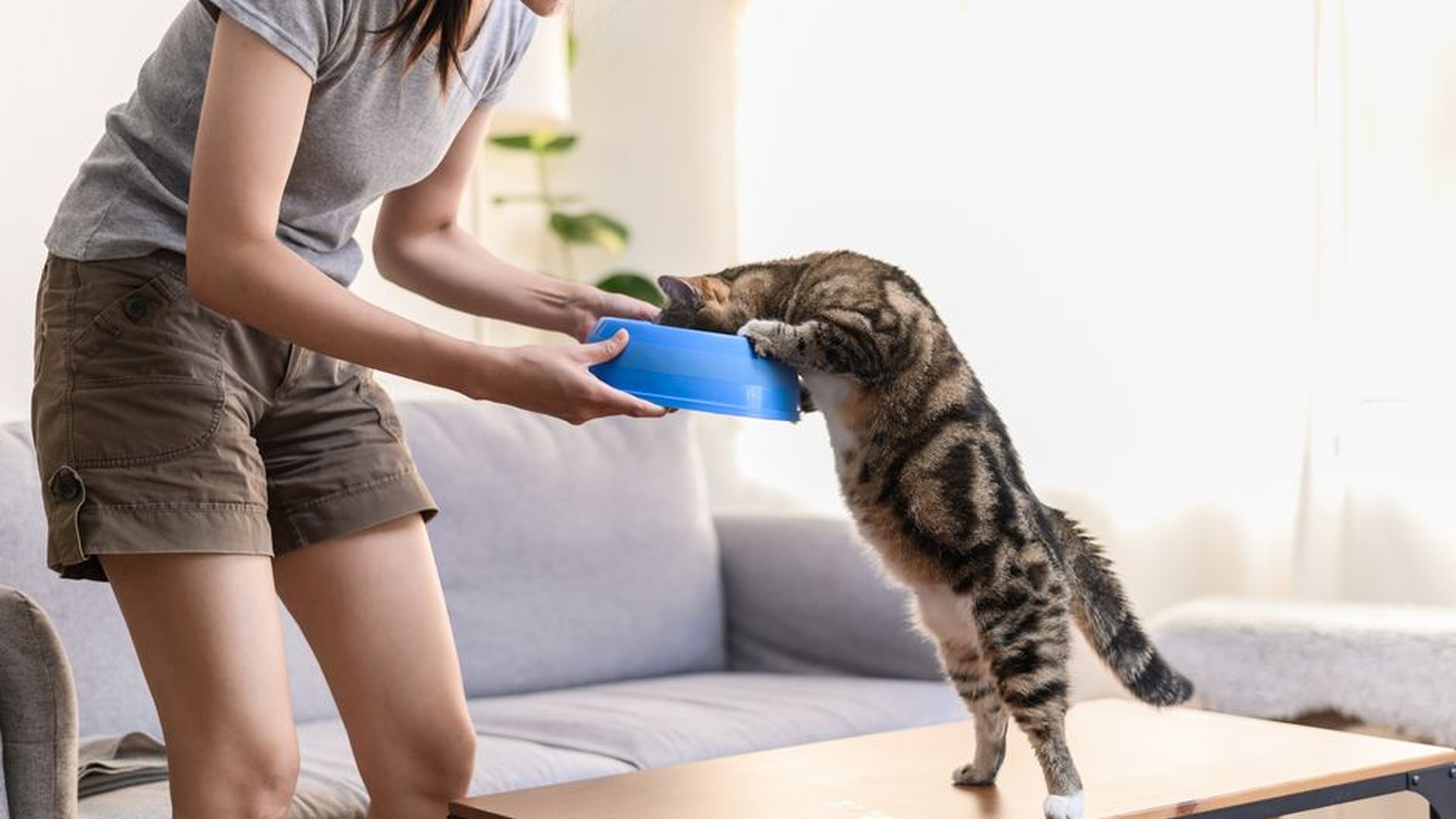
One of the most overlooked aspects of dry food feeding is portion control. It’s tempting to leave a bowl out all day—your cat can “self-regulate,” right? Wrong. Cats don’t naturally stop eating when they’re full, especially when food is constantly available. This free-feeding method leads to overconsumption, which is a major contributor to feline obesity. In a 2023 study by the American Veterinary Medical Association, 60% of cats in the U.S. were classified as overweight or obese, with dry food overfeeding being a primary factor. Emily, a 41-year-old nurse in Austin, left dry food out for her cat Luna for years. Luna gained 3 pounds over two years, developed joint pain, and eventually suffered from chronic arthritis. After introducing scheduled feedings—just two meals a day, using a measured cup—Luna lost weight and regained energy within five months. Use a kitchen scale or measuring cup. Follow the feeding guide on the bag, but adjust based on your cat’s age, weight, and activity level.

Choosing Based on Price or Brand Over Quality
Price is a big factor in pet food choices—especially for busy cat parents juggling work, kids, and household chores. But just because a bag is cheaper doesn’t mean it’s better. Many budget dry foods rely on fillers like corn, wheat, soy, and by-product meals. These ingredients are not only low in nutritional value, they can trigger allergies, digestive upset, and even long-term organ strain. A 2022 report from the USDA found that 35% of dry cat foods labeled as “premium” contained no actual animal protein as the top ingredient. David, a 45-year-old software engineer from Seattle, switched his 9-year-old cat, Miso, from a store-brand dry food to a vet-recommended brand with real chicken as the first ingredient. Within two months, Miso’s fur became shinier, his stools improved, and his energy spiked. He stopped scratching his ears—an old sign of food allergy. Don’t fall for marketing slogans like “natural ingredients” or “grain-free” without reading the full ingredient list. Look for brands that list specific animal meats (chicken, turkey, salmon) as the first ingredients, and avoid those with vague terms like “meat meals” or “animal by-products.”

Overlooking the Importance of Hydration
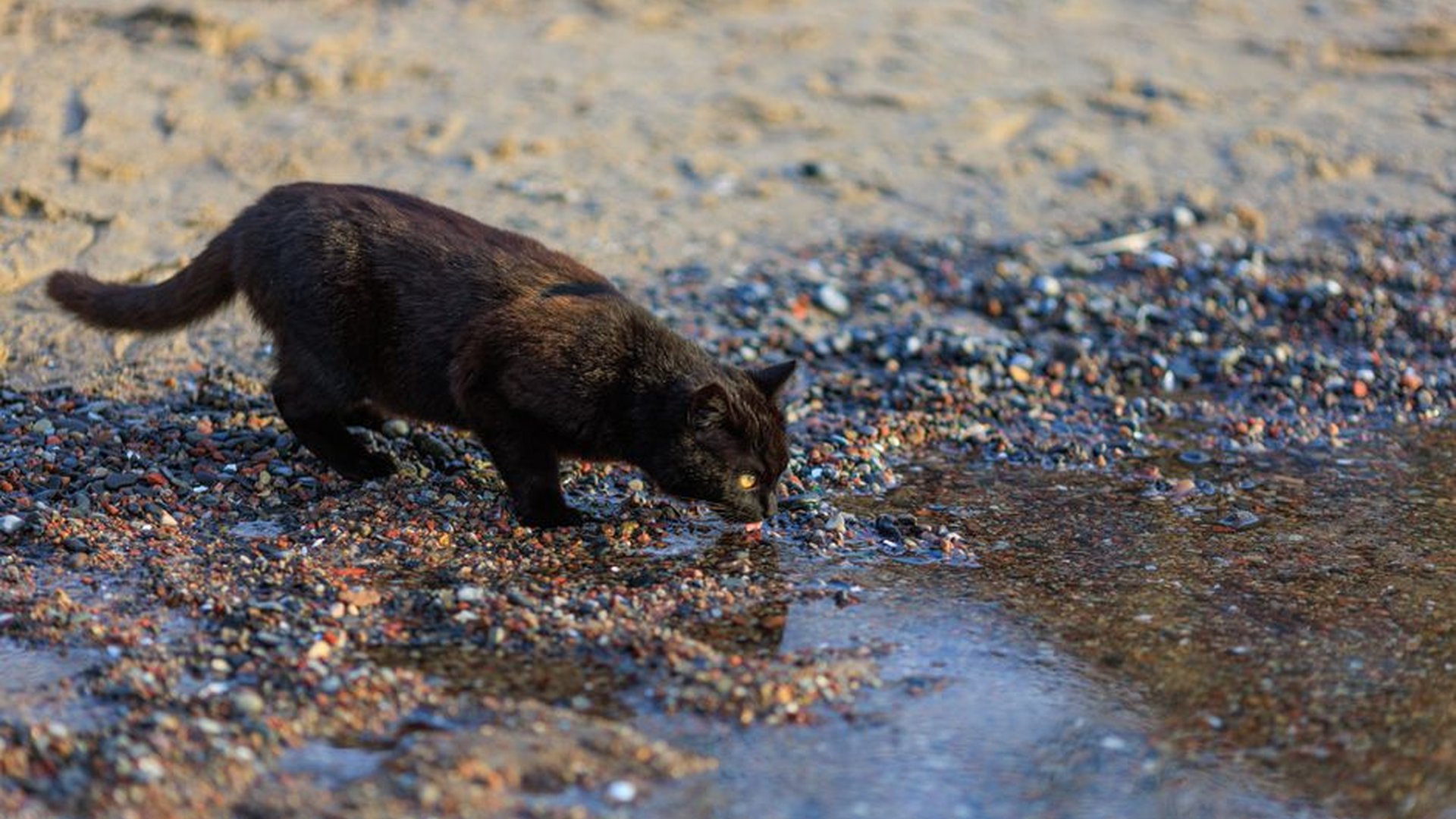
Cats naturally have a low thirst drive—which means they often don’t drink enough water, especially when their diet is dry. But dehydration is a silent threat. Chronic low water intake increases the risk of urinary stones, kidney disease, and recurrent bladder infections. Dry food provides only about 10% of a cat’s daily moisture needs. A cat on a dry-only diet must rely heavily on drinking water, which many don’t do consistently. This was evident with Mia, a 5-year-old domestic shorthair in Denver. Her owner, Lisa, a 38-year-old graphic designer, noticed her cat was urinating frequently in the litter box and had a strong odor. A vet visit confirmed a urinary tract infection linked to dehydration. After starting a wet food diet (70% wet, 30% dry), Mia’s symptoms resolved within a week. Even if you stick to dry food, always provide fresh water in multiple locations. Consider a cat fountain to encourage drinking, as many cats prefer running water.
Assuming Dry Food Is Always the Best Choice for Dental Health
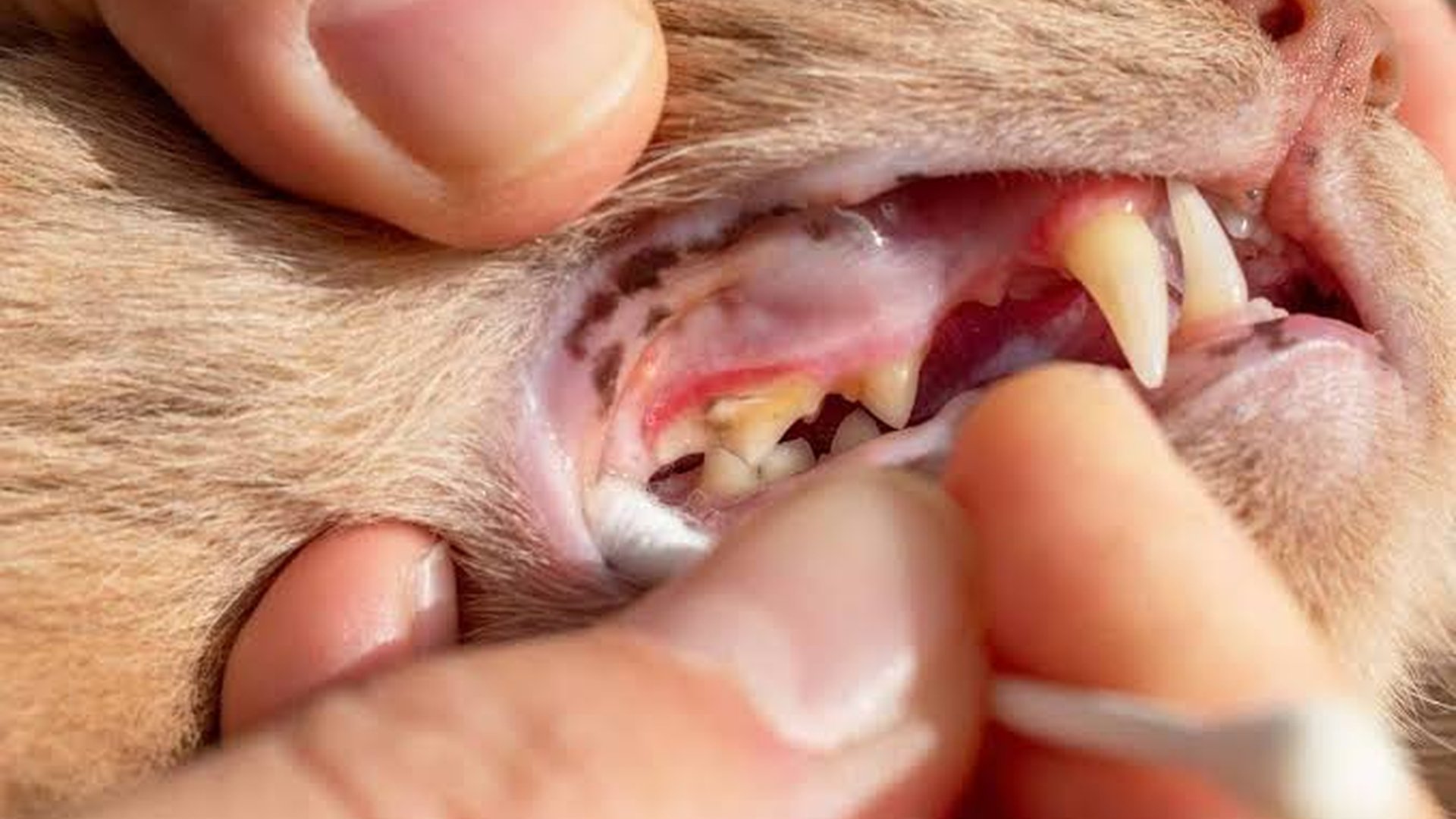
A common myth is that dry food helps clean a cat’s teeth. While kibble may slightly scrape plaque, it doesn’t replace proper dental care. In reality, dry food can worsen dental issues. Crumbles and particles often get trapped between teeth, leading to bacterial growth and tartar buildup. Worse, many cats chew dry food with their front teeth, which isn’t how they naturally grind food. This leads to uneven wear and jaw misalignment over time. After a dental exam, Ben, a 40-year-old teacher in Chicago, found his 6-year-old cat, Oliver, had severe gingivitis and three tooth root abscesses—despite being on dry food for five years. His vet urged a shift to a moisture-rich diet and recommend daily dental brushing. For long-term dental health, wet food is more effective, and tools like dental treats or chew toys should be part of the routine. Don’t rely on dry food to fix dental problems—prevent them with a balanced approach.