Why Vet Visits Trigger Stress in Pets
Imagine your dog, once joyful and wagging, now trembling in the carrier, ears flattened, eyes wide with fear. Or your cat, usually so independent, hiding under the exam table, breathing shallowly. These reactions aren’t just stubbornness—they’re deeply rooted animal instincts. For most pets, the vet’s office is an alien landscape: unfamiliar smells, bright lights, the sound of barking dogs, and the presence of strangers in white coats. These stimuli activate the amygdala, the brain’s fear center, releasing cortisol and adrenaline. In a 2022 study published in the Journal of Veterinary Behavior, 84% of dogs and 70% of cats exhibited clear signs of stress during routine visits. But here’s the truth: stress isn’t inevitable. With thoughtful preparation and smart routines, you can turn a traumatic experience into a manageable one.
Prep Work at Home: Build Confidence Before the Trip
The most powerful tool you have isn’t medicine—it’s consistency and familiarity. Start training your pet for vet visits at least four weeks in advance. Use a carrier that’s always accessible, never just for trips. Leave it out, fill it with soft blankets, toys, and even a piece of your worn shirt for comfort. Let your dog or cat enter and exit freely. For dogs, practice walking on a leash with a harness—never a collar—since a collar can trigger neck pain, worsening anxiety. For cats, use a pheromone spray like Feliway in the carrier and on a favorite blanket. In Michigan, a 37-year-old mother named Maria transformed her 8-year-old cat’s behavior by using a car-ride simulator: she played vet office sounds via a tablet and rewarded calm sitting with small treats. After three weeks, her cat entered the carrier voluntarily. Remember, every positive experience builds trust—just like how humans calm down in a familiar room after a long day.
Smart Travel Techniques to Reduce Anxiety
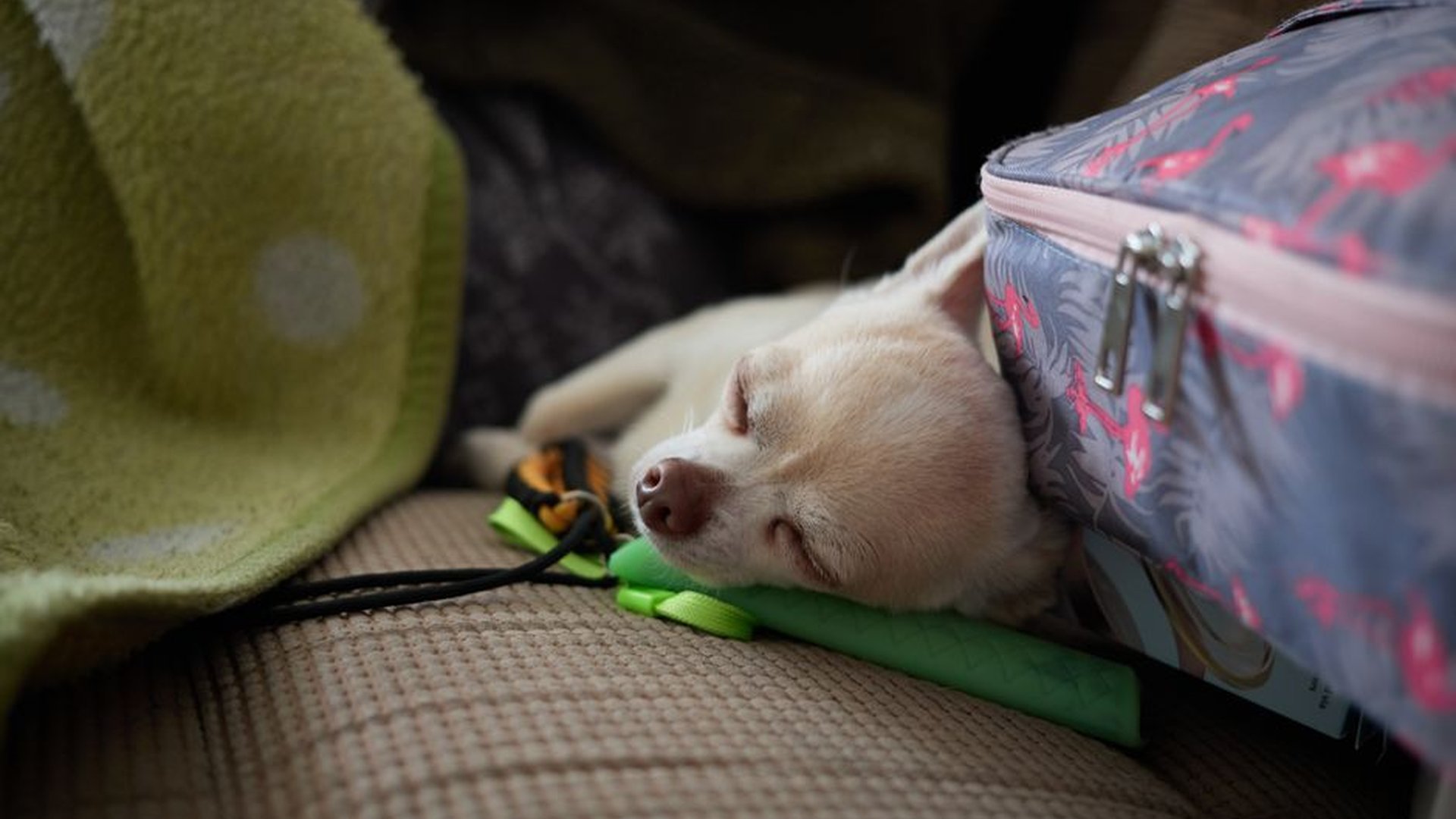
The car ride often worsens stress. For dogs, keep the carrier off the floor and secure it with a seatbelt. Use a quiet, non-slip travel mat. Play soft, calming music—classical or nature sounds—through a small speaker. Avoid talking too much during travel. Your voice, even if soothing, may signal urgency. For cats, cover the carrier with a light, breathable cloth to reduce visual stimulation. Don’t let them see outside the window unless they’re used to it. At a clinic in Portland, Oregon, a veterinarian named Dr. Lin reported a 60% decrease in cat anxiety after introducing a “quiet zone” in the exam room—no loud tools, no flashing lights, and a calm staff member who avoided sudden movements. The room was even scented with lavender, a proven relaxant for felines.
In-Office Strategies That Actually Work
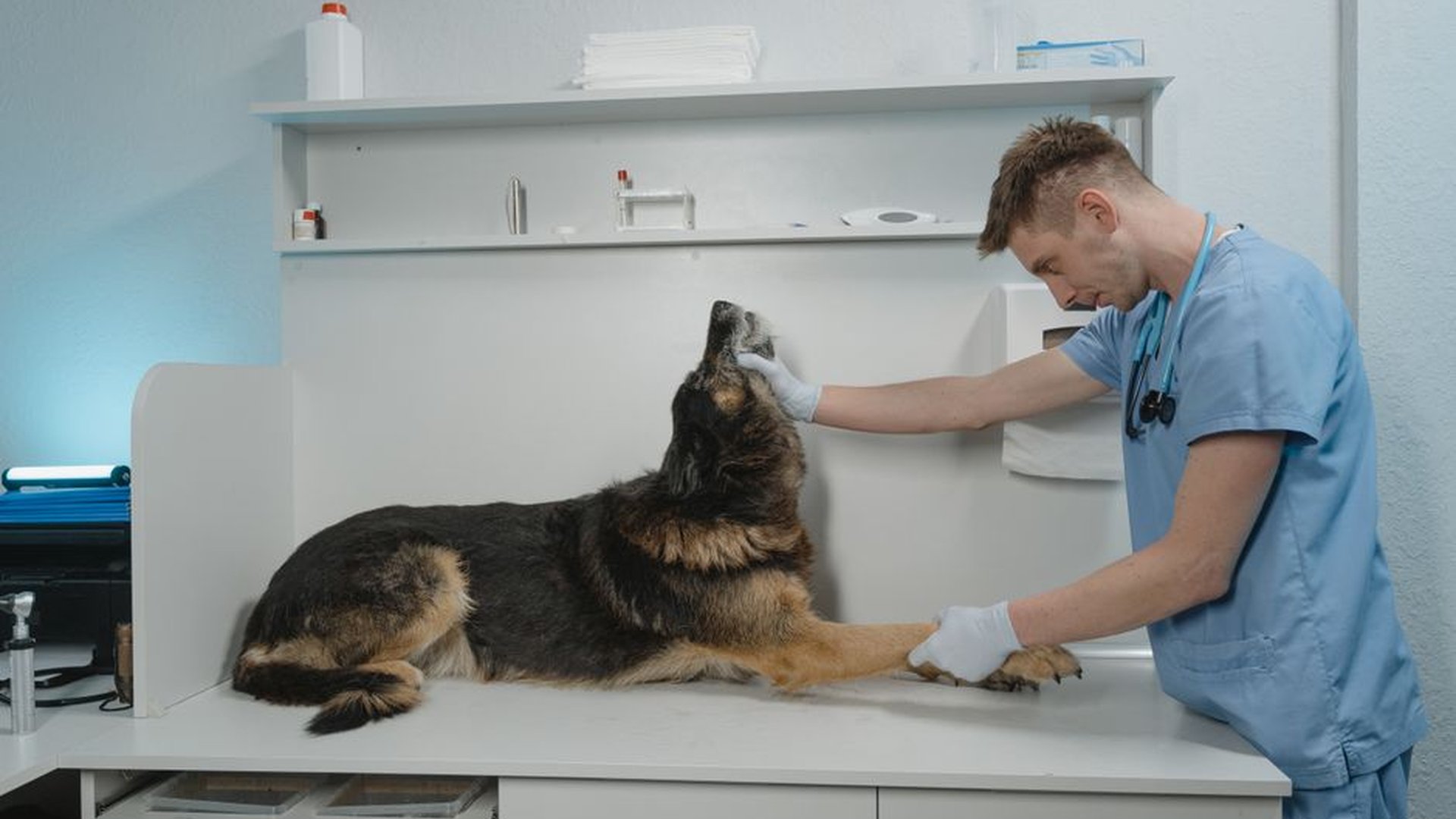
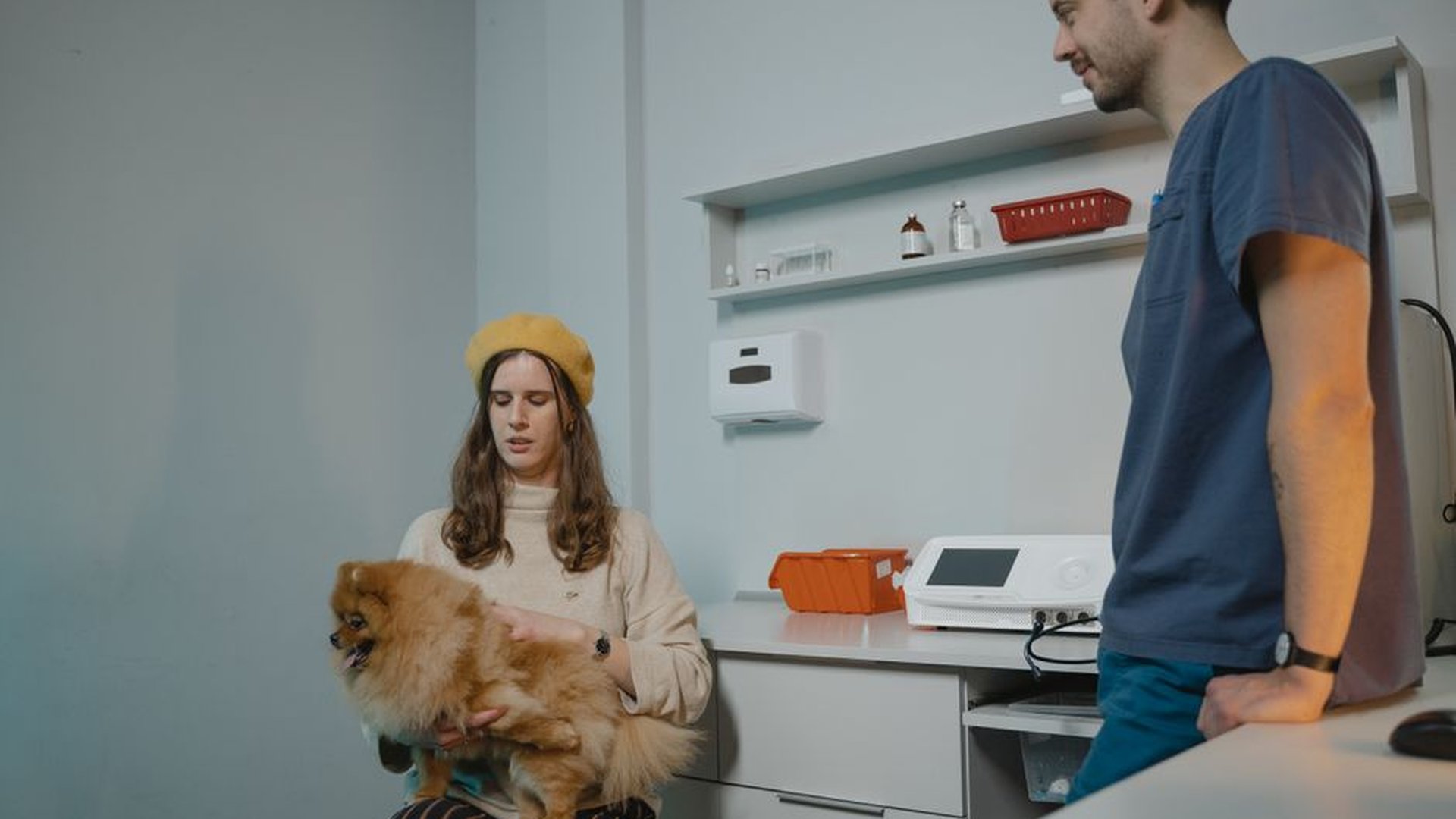
Once you’re at the clinic, the goal isn’t to rush—you might think speed helps, but it often backfires. Let your pet adjust. Before any exam begins, offer a small treat or a familiar chew toy. Some clinics now allow owners to stay in the exam room, which has shown to reduce fear in 70% of dogs, according to a 2023 survey by the American Animal Hospital Association. Ask if your pet can lie on a soft mat instead of a cold exam table—many clinics now stock orthopedic pads. For cats, request that the exam be done on a low, cozy surface, not a high counter. In one real-life example, a 42-year-old man from Texas brought his anxious terrier to a vet who used a “no-touch” approach: the vet sat on the floor, offered treats, and let the dog sniff him before any contact. Within three visits, the dog allowed a full exam without stress. That’s not magic—it’s patience, respect, and science.
What Not to Do (And Why It Backfires)
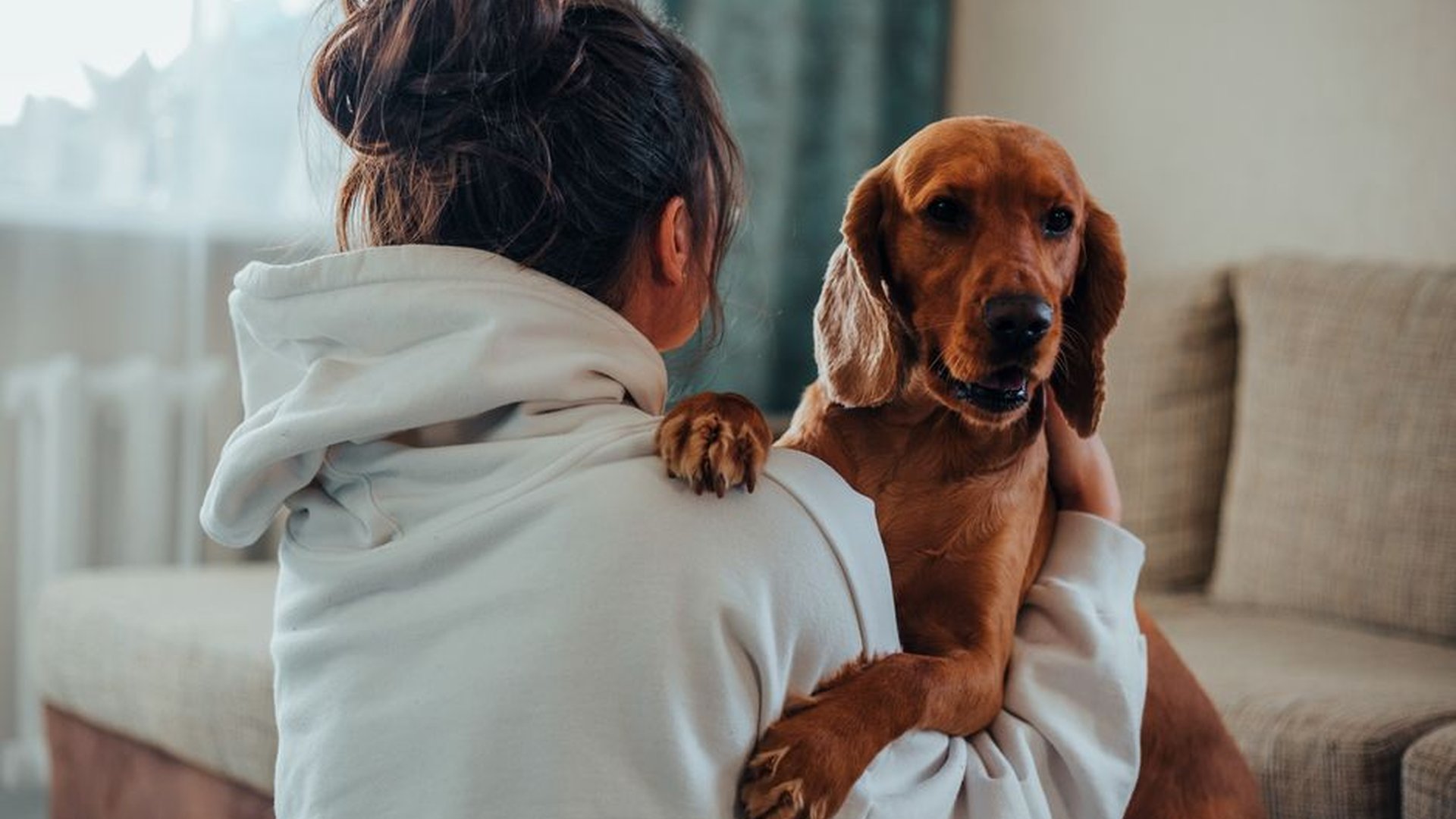
Many owners try to comfort their pet by hugging, petting, or soothing with their voice—but this often makes things worse. Studies show that when a dog senses its owner’s anxiety, it mirrors that stress. A 2021 study from the University of Lincoln found that 67% of dogs become more agitated when their owner speaks in a soft, high-pitched tone. Your instinct to calm them actually increases their fear. Avoid patting or rubbing their head—this can feel like pressure. Also, don’t use treats as bribes during the visit; they’re not immediate rewards but distractions. Instead, save treats for calm behavior, and pair them with gentle, low-volume speech. And never force your pet into the carrier or exam table. This builds a lifetime of fear.
Building a Long-Term Calming Routine
The journey to a stress-free vet visit isn’t over after one trip. It’s a long-term habit. Keep a simple journal: note what went well, what triggered fear, and what strategy worked. For example, if your dog barks only when the vet opens a drawer, that’s a clue—ask the staff to keep drawers closed until needed. Over time, these small data points help you anticipate stress and prevent it. Use a vet clinic that offers wellness visits—routine checkups without illness—so your pet learns that the clinic isn’t just for pain. In Charlotte, North Carolina, a local shelter launched a “Vet Visit Buddy” program, where pets are introduced to exam rooms, staff, and tools in a playful, gamified way before any medical need. They saw a 75% drop in fear-related behaviors within six months. These aren’t miracles—they’re proven systems.
Stress during vet visits isn’t a flaw in your pet—it’s a natural response to a high-stakes environment. But it doesn’t have to be that way. By starting early, using proven behavioral science, and adjusting your own behavior, you can transform fear into calm. Your pet doesn’t need a perfect visit—it just needs to feel safe. And that’s something every owner can achieve.