Understanding Digestive Changes in Senior Pets
As pets age, their bodies undergo biological shifts that often impact digestion. Just like humans, a 12-year-old dog or cat is considered senior, and many begin to experience slowed metabolism, reduced enzyme production, and weaker intestinal muscle tone. These changes can lead to bloating, gas, constipation, or diarrhea—common symptoms that owners often mistake for normal aging. But they’re not. These signs often signal underlying digestive inefficiencies that, if ignored, can lead to malnutrition, weight loss, and decreased quality of life.
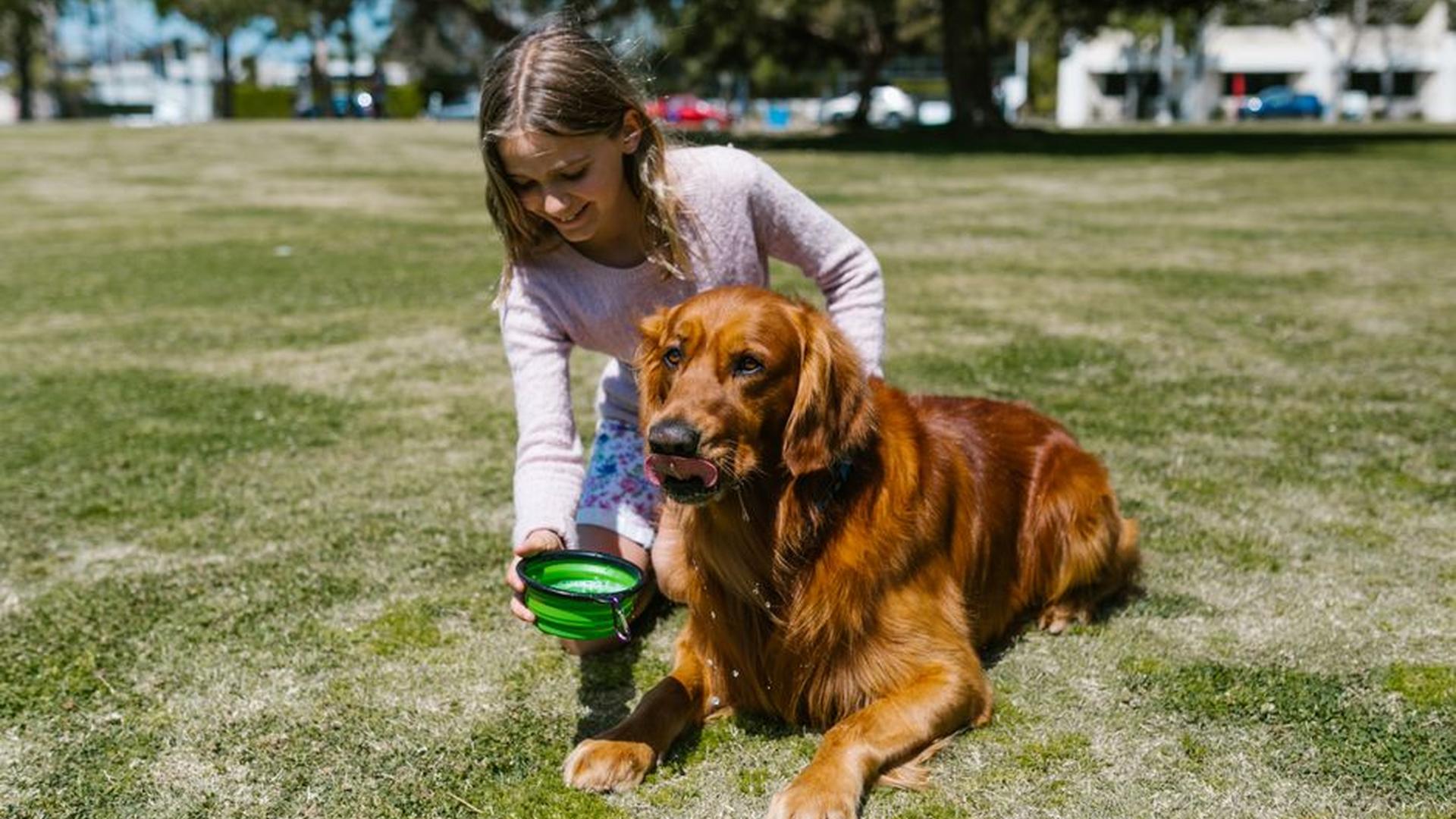
Take Max, a golden retriever from Portland, Oregon, who started losing weight and had firmer stools at age 11. His owner assumed it was just age-related, but after a vet visit, Max was diagnosed with exocrine pancreatic insufficiency (EPI)—a condition where the pancreas doesn’t produce enough digestive enzymes. That’s when the owner realized how important it was to pay close attention to changes in appetite, stool consistency, and energy levels. Understanding these shifts is the first step to protecting your senior pet’s digestive health.
Choose the Right Diet for Senior Digestion
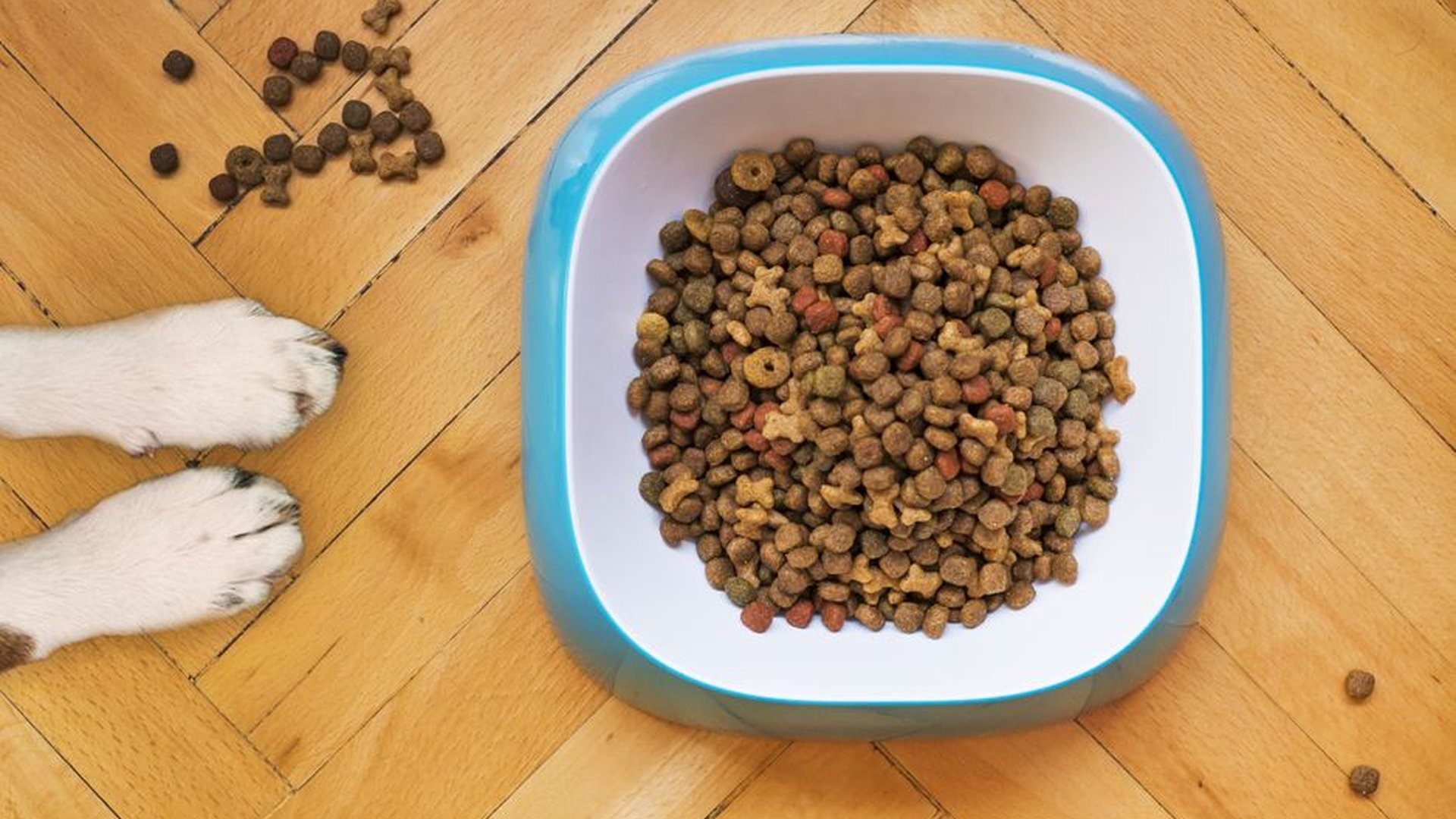
Nutrition is the foundation of digestive wellness in older animals. As metabolism slows, many seniors need fewer calories but higher digestibility. Look for food with high-quality, easily digestible proteins like chicken, turkey, or salmon, and avoid fillers like corn, soy, and artificial preservatives.
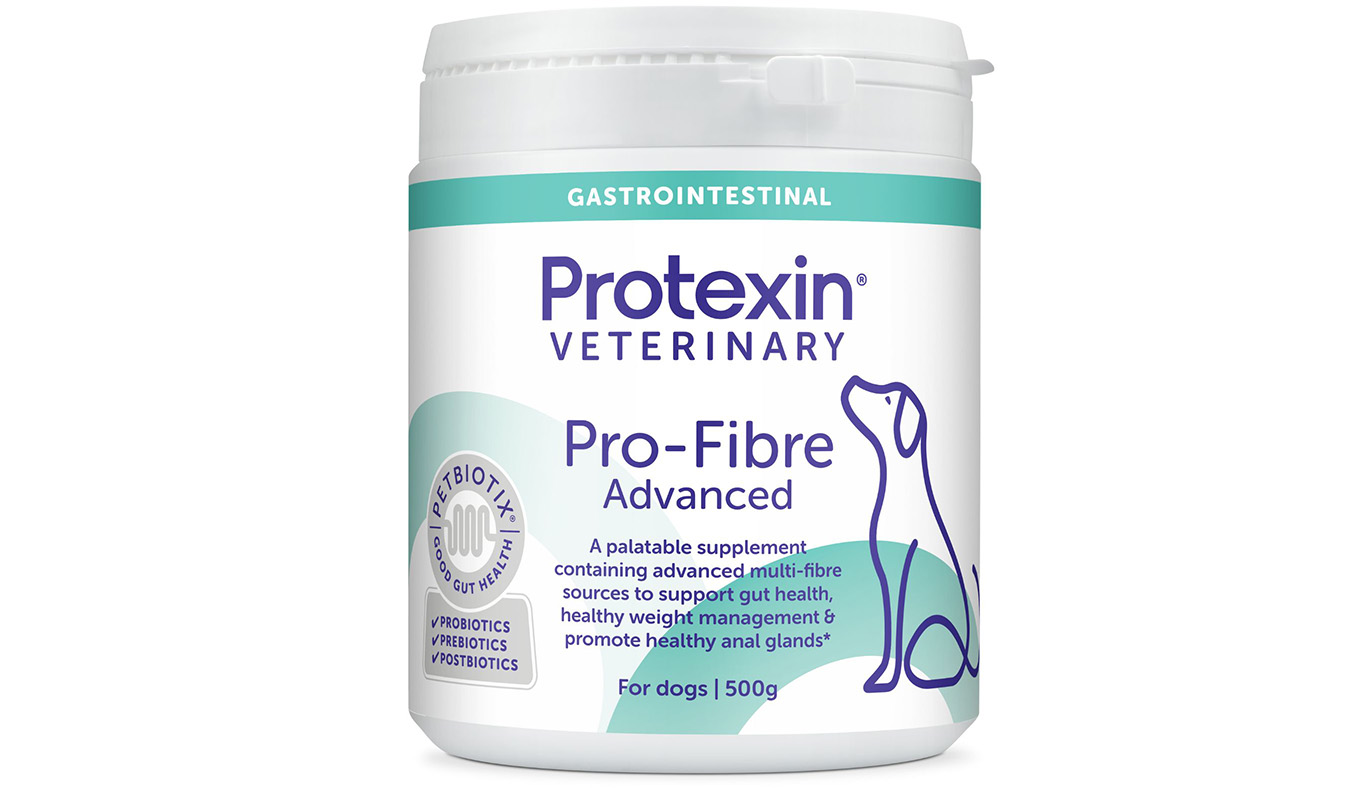
One effective option is a senior-formulated diet with hydrolyzed proteins. These are broken down into smaller peptides, making them easier for aging intestines to absorb. For cats, a low-carbohydrate, high-protein diet mimics their natural prey-based nutrition and supports healthy gut bacteria. In dogs, adding a powdered digestive enzyme supplement (like one containing protease, lipase, and amylase) can help break down food more efficiently, especially if they have a history of food sensitivities.
Consider Lily, a 14-year-old domestic shorthair in Austin, Texas. After switching from her old kibble to a vet-recommended prescription diet with added probiotics and prebiotics, her constipation improved within two weeks. She started gaining back muscle mass and even began grooming herself again—something she hadn’t done in months. It wasn’t magic. It was science-backed nutrition making a real difference.
Support Gut Health with Probiotics and Fiber
A healthy gut microbiome is essential for seniors. Beneficial bacteria help break down food, absorb nutrients, and even influence mood and immune function. But as pets age, this delicate balance often gets disrupted by stress, antibiotics, or illness.
Probiotic supplements—especially those containing strains like Lactobacillus acidophilus and Bifidobacterium animalis—can help restore microbial harmony. Look for products with at least 10 billion CFUs per dose and a guaranteed viability through the expiration date. These supplements are especially useful after antibiotic use or during recovery from gastrointestinal upset.
Fiber also plays a key role. Soluble fiber (from sources like pumpkin, psyllium, or oat bran) adds bulk to stool and helps regulate bowel movements. Insoluble fiber (from sources like flaxseed or wheat bran) supports motility, preventing both diarrhea and constipation. The trick is balancing both—too much soluble fiber can cause gas, while too much insoluble fiber may worsen diarrhea in sensitive animals.
In a recent study published in the Journal of Veterinary Internal Medicine, 78% of senior dogs fed a balanced fiber and probiotic regimen showed significant improvement in stool quality within six weeks. That’s not anecdotal—it’s measurable, achievable health gain.

Monitor Stool Quality and Consistency
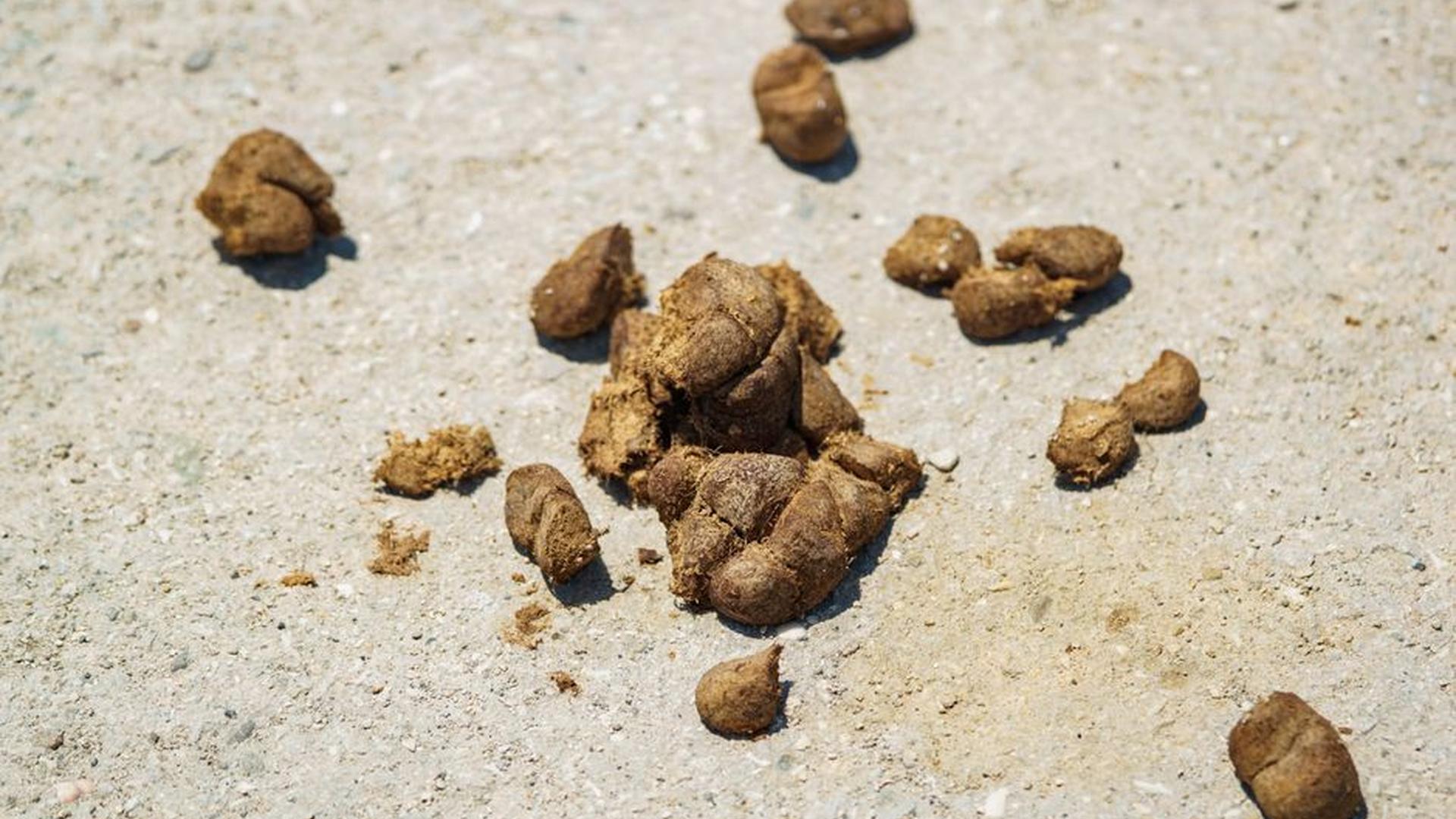
The stool is a daily health report. Owners who check their pet’s waste—even briefly—can catch digestive trouble early. Use the Bristol Stool Scale adapted for animals: form 1–2 (hard, pellet-like) suggests constipation, while 6–7 (soft, mushy) may indicate diarrhea or poor absorption.
A real-life example comes from a family in Denver, Colorado. Their 13-year-old cat, Oliver, started producing loose stools with a slightly gray tint. At first, they ignored it, thinking it was just a minor upset. But after a week, Oliver became lethargic and lost his appetite. A vet visit revealed a mild case of inflammatory bowel disease (IBD), likely triggered by a shift in diet. If they had monitored stool weekly, they might have caught it sooner and avoided a full diagnostic workup.
So make it a ritual: glance at your pet’s waste every morning. Note color, texture, and frequency. Any sudden changes? That’s a signal to act. Don’t wait for vomiting or severe pain. Early intervention can prevent long-term damage.
When to Seek Veterinary Care
Not all digestive changes are treatable at home. Some signs require immediate professional attention. If your senior pet shows any of the following, contact your veterinarian within 24–48 hours:
– Persistent vomiting or diarrhea lasting more than 48 hours
– Blood in stool or vomit
– Lethargy, loss of appetite, or unexplained weight loss
– Abdominal pain (hunched posture, whimpering, reluctance to be touched)
– Sudden changes in behavior or drooling
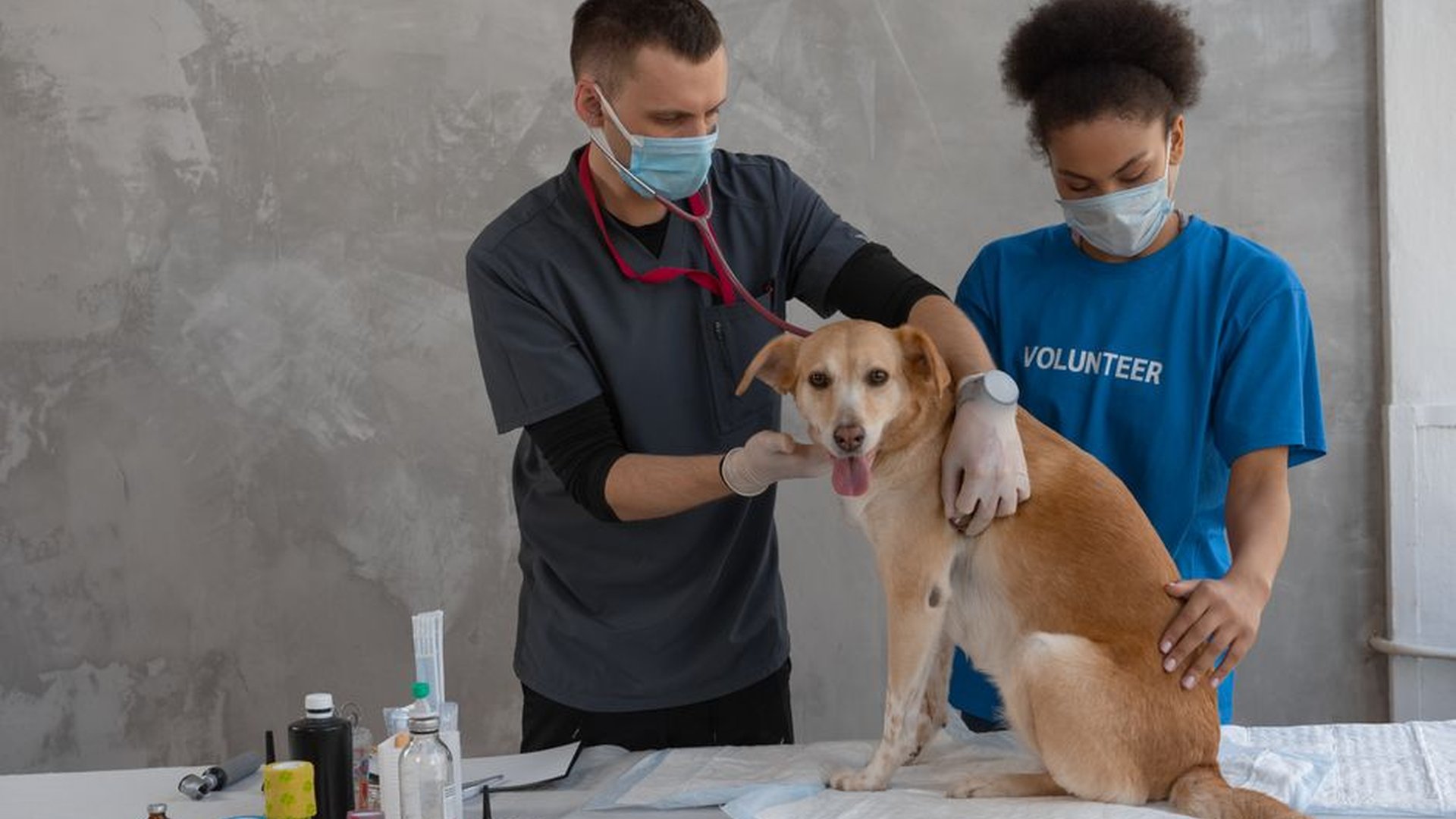
Aging pets can mask pain well. That’s why physical exams, blood work, and possibly abdominal imaging (like an ultrasound) are essential. For example, a 15-year-old tabby in Seattle was diagnosed with a small intestinal tumor after months of intermittent diarrhea and mild weight loss. Early diagnosis allowed for successful surgery and extended, comfortable life.
Remember: preventing digestive issues is better than treating them. But when problems arise, don’t delay. Your pet’s trust in you depends on your ability to act with care, not hesitation.