Why Early Detection of Respiratory Issues Matters
When your dog starts coughing like a tiny, wheezing trumpet or your cat begins breathing through its mouth after a short walk, it’s not just a quirky habit—it could be a red flag waving urgently under your nose. Pets can’t tell us they’re struggling to breathe, so we have to be the ones to watch closely and act fast. The truth is, respiratory problems in dogs and cats are more common than many owners realize, and catching them early can mean the difference between a quick recovery and a life-threatening emergency. In the U.S., conditions like bronchitis, pneumonia, asthma, and even heart-related breathing issues affect thousands of pets each year. But with a little awareness, you can spot the warning signs before they spiral out of control.
Common Signs Your Dog or Cat Is Struggling to Breathe
The first sign might not be dramatic, but it’s often the most telling. Pay attention to changes in your pet’s behavior and breathing patterns. A dog that used to dash to the door for a walk now pauses halfway through, panting heavily with a dry, hacking cough. A cat that used to dart across the room to catch a feather toy now lies still on the couch, breathing faster than normal, even when calm. These are not just signs of laziness or old age—these are signals from your pet’s body asking for help.
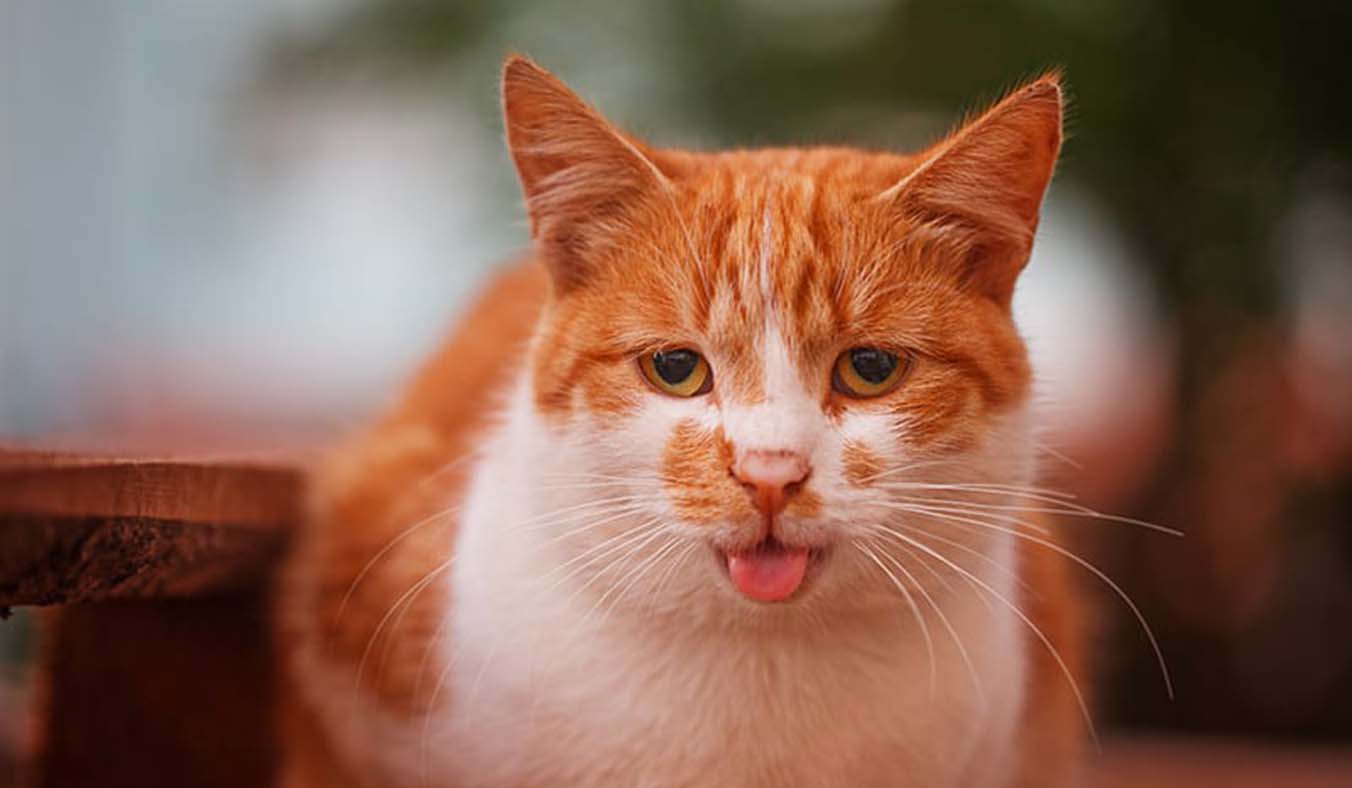
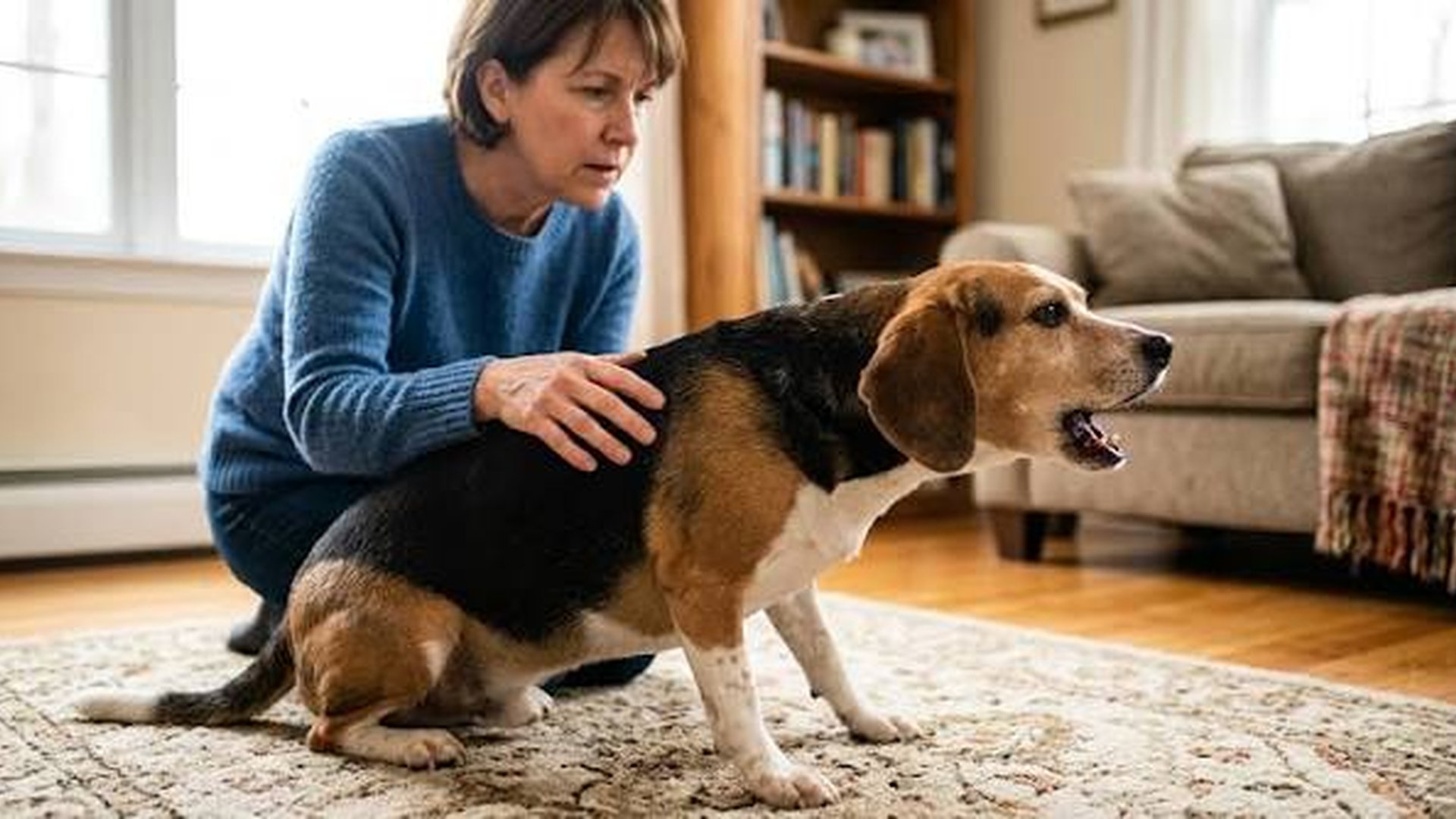
Other classic red flags include: open-mouth breathing (especially in cats, who usually breathe through their nose), noisy or labored breathing, wheezing or squeaking sounds with each breath, blue-tinged gums or tongue (a sign of oxygen deficiency), and a noticeable drop in energy. If your pet is sitting with its neck stretched out, head lowered, and elbows splayed wide—like a medieval knight preparing for a siege—you’re looking at a classic sign of respiratory distress. This posture, known as the ‘kennel cough’ stance, happens because pets are trying to open up their airways to get more air. It’s not dramatic, but it’s serious.

What Causes Breathing Problems in Dogs and Cats?
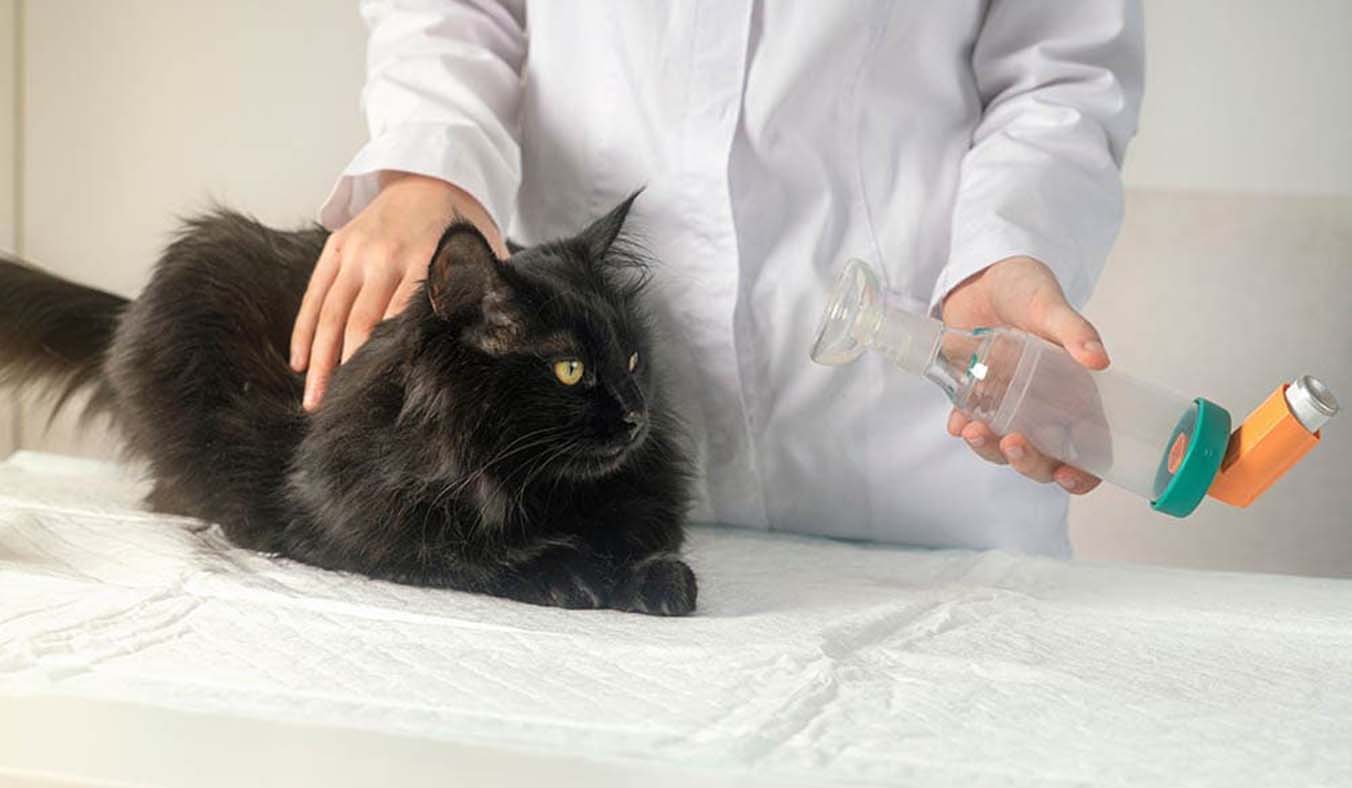
Not every cough means bronchitis. Not every wheeze means asthma. The root causes of respiratory issues in pets vary widely and can include infections, allergies, environmental irritants, heart disease, or even tumors. For example, in a suburban neighborhood in Portland, Oregon, a 7-year-old golden retriever named Max started coughing after a rainy weekend walk. His owner initially thought it was just pollen—but a vet visit revealed he had early-stage heart failure, which was causing fluid to leak into his lungs. That same week, a Siamese cat in a Boston apartment was diagnosed with feline asthma after her breathing worsened during a spring cleaning when her owner used strong scented cleaners. The ammonia-based spray triggered a severe episode.
Allergens like dust mites, mold, cigarette smoke, and airborne cleaners are common culprits. In dogs, kennel cough (a highly contagious infection) often spreads in shelters, dog parks, and boarding facilities—especially on humid, cold days. Meanwhile, cats are more sensitive to airborne irritants because they groom themselves constantly, trapping particles in their fur and mouths. In one case in Austin, Texas, a young tabby named Luna developed chronic respiratory symptoms because her owner used a scented litter that released volatile particles when the box was stirred. Switching to an unscented, low-dust brand resolved her symptoms in just three weeks.
When to Act: Real-Life Cases That Show Why Speed Saves Lives
Last fall, a couple in Denver, Colorado, found their 5-year-old Bichon Frise, Bella, lying on the floor, gasping with her mouth open and her paws twitching. Her owner, Sarah, remembered reading about respiratory distress in a Petfaqs article months earlier. She didn’t panic—she stayed calm, called the emergency vet, and placed Bella in a carrier with a soft blanket. Thanks to that quick thinking, the vet confirmed a pulmonary embolism (a blood clot in the lungs), and Bella received life-saving treatment within 90 minutes. She’s now back to playing fetch and chasing laser dots.
Another example comes from a veterinarian in Seattle who treated a 3-year-old German Shepherd named Duke. He had been sneezing and snorting for two weeks, but his owner thought it was just a cold. Then he started breathing rapidly while lying down. The vet discovered he had a foreign object lodged in his trachea—a tiny plastic toy part. Without imaging and emergency surgery, Duke might have suffocated. The case highlights a simple fact: pets hide pain, not just because they’re stoic, but because they’re instinctively trying to survive. A sneeze might not seem serious, but if it lasts more than a few days, it’s time to act.

How to Respond When You Spot Symptoms
If you notice any of these warning signs, do not wait. The first step is to stay calm and assess your pet’s condition: Is breathing fast? Is the chest moving rapidly? Is the animal struggling to lie down? If yes, contact your vet immediately. Avoid self-diagnosing with internet searches—what sounds like a cold might actually be a collapsing trachea, or what seems like allergies could be early-stage heart disease.
If your vet isn’t available, call a pet emergency hotline. Many are staffed by veterinary technicians who can guide you through immediate care—like keeping your pet in a quiet, cool room, offering small sips of water, or even helping you measure breathing rate. A normal breathing rate for dogs is 10–30 breaths per minute; for cats, it’s 16–30. If your pet is breathing faster than that, especially at rest, seek help.
Finally, prevention is key. Maintain a clean home with good air quality—use HEPA filters, avoid strong scents, and keep your pet away from smoke and fumes. Schedule regular checkups, especially for older or breed-prone animals (e.g., brachycephalic dogs like Bulldogs and Pugs, who are more prone to breathing issues due to their short snouts). And always keep your vet’s emergency number saved in your phone and on your fridge.
Final Thoughts: You Don’t Have to Wait for a Crisis
You don’t need to be a vet to know when something’s wrong. Your pet trusts you to see what they can’t say. You’ve watched them grow, sleep, play, and even chase their tail. That bond means you’re more than just an owner—you’re their first and most important line of defense.
The next time you hear your dog cough once, or see your cat breathe a little faster on a hot afternoon, pause. Look. Listen. Act. Because sometimes, the smallest breath says the loudest thing of all.