Why Cat Food Labels Matter More Than You Think
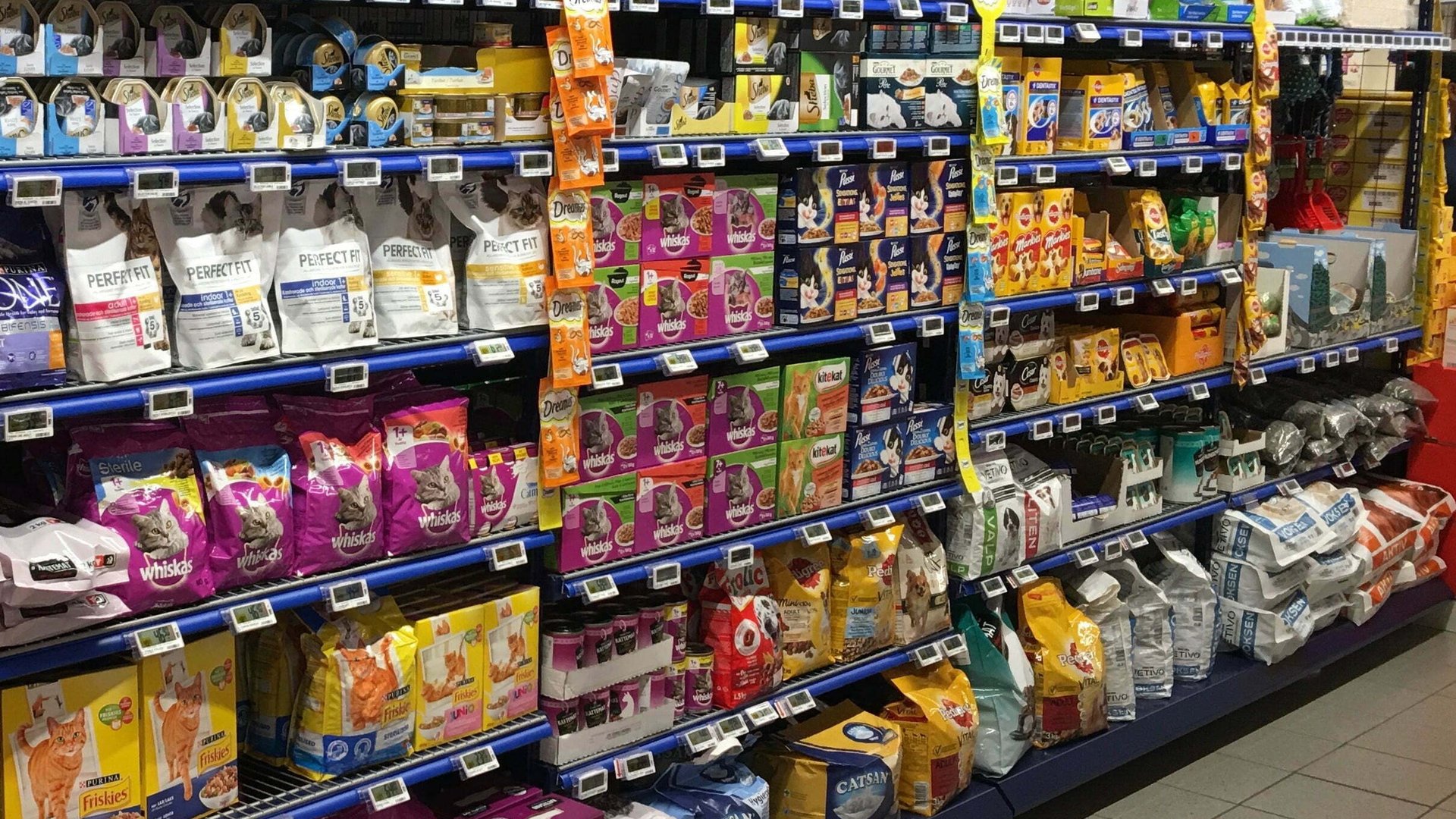
When you walk into a pet store and stand in front of the cat food aisle, it’s easy to feel overwhelmed. Shelves are stacked with brands promising “premium,” “grain-free,” and “natural” nutrition. But how do you actually know which one is best for your cat? The answer lies not in flashy packaging or celebrity pet endorsements—but in decoding the label. This isn’t about picking a brand based on a logo; it’s about understanding what’s really inside the bag. Real pet parents spend hours researching, but only a few key elements on the label make the real difference. And with over 60% of cats suffering from diet-related health issues like obesity, urinary tract problems, or dental disease, making informed choices isn’t optional—it’s essential.
Start with the Ingredient List—But Not the Way You Think
Most people flip to the ingredient list and scan for words like “chicken,” “salmon,” or “lamb.” But here’s the truth: ingredient order isn’t always a reliable guide. The label lists ingredients by weight before processing, which means that moisture-heavy meats like fresh chicken appear lower on the list than dried ingredients like chicken meal. So just because “chicken” is first doesn’t necessarily mean it’s the main ingredient. That’s why it’s critical to look beyond the first few words. For example, a food labeled “chicken and rice” might have rice listed first because it’s more concentrated after dehydrating—meaning it’s actually more abundant than the meat.
Instead, focus on the top three to five ingredients. The best dry cat foods use animal protein as the primary source—think real meat, not by-products. Avoid ingredients like corn, soy, wheat, and animal by-products, which are common fillers that offer little nutritional value and may trigger allergies. A real case from a pet owner in Portland highlighted this: her cat developed chronic itching and gastrointestinal distress. After switching to a food with a high-meat ingredient profile and eliminating grain fillers, symptoms improved within three weeks.
Protein Quality Is the Real Game-Changer
Cats are obligate carnivores—meaning they need animal-based protein to thrive. Their bodies can’t efficiently convert plant proteins into essential amino acids like taurine and arginine. Without enough high-quality protein, cats suffer from muscle loss, poor coat health, heart disease, and even blindness. So when you examine the label, ask: Is the protein source from a real animal, and is it listed clearly?
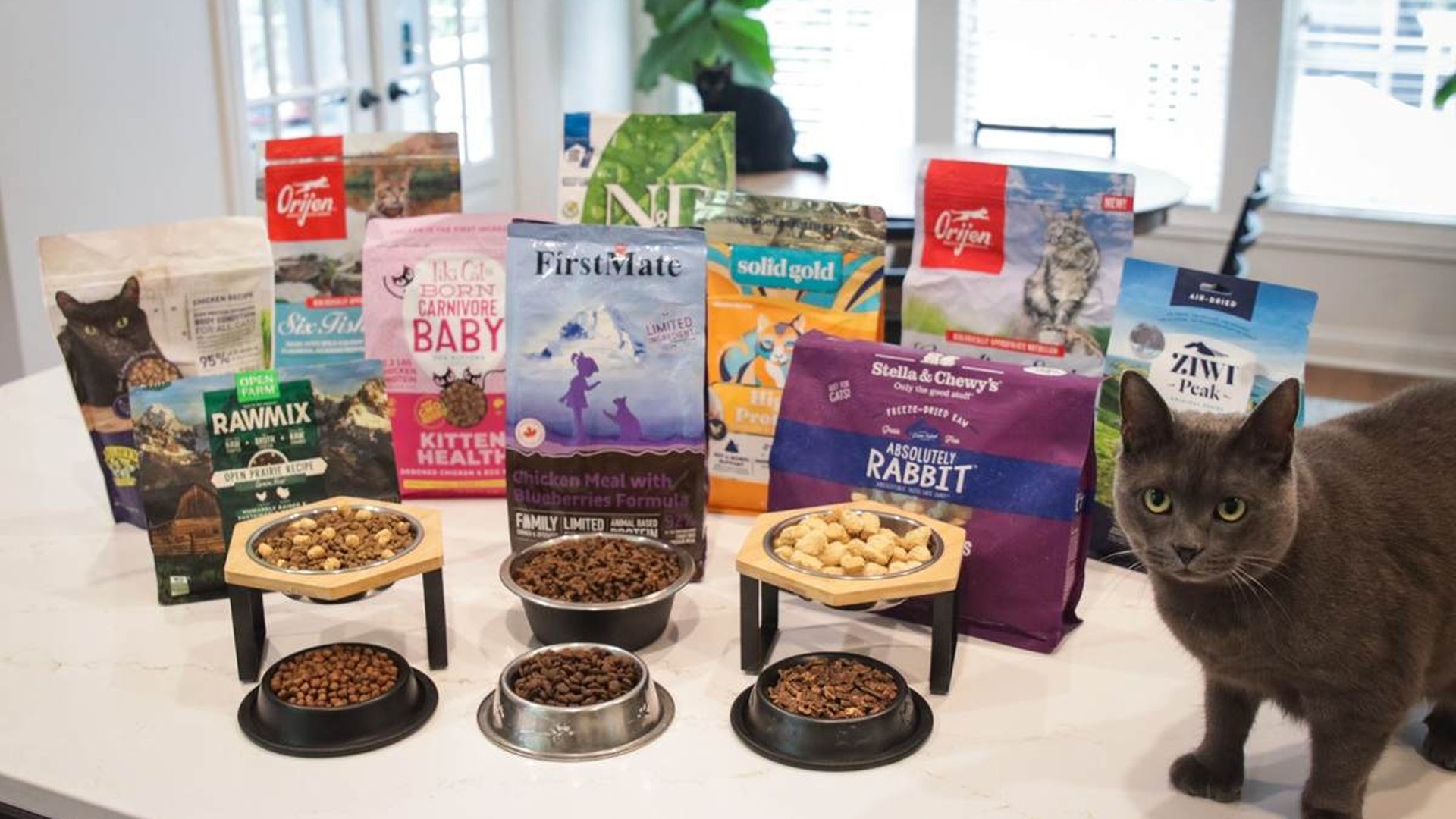
Look for specific meat sources like “deboned chicken,” “whole salmon,” or “turkey meal.” Avoid vague terms like “meat by-products” or “animal digest”—these are often by-products from meat processing that can’t be traced to a specific animal. In a study by the Journal of Animal Science, cats fed a diet with 40% animal-based protein showed improved energy levels, better digestion, and stronger immune responses compared to those fed lower-protein options.
Also, watch for “meat meal” versus “meal.” Chicken meal is more concentrated than fresh chicken, so it often contains more protein per pound. But always double-check: a food with “chicken meal” listed second may still be better than one with “fresh chicken” listed second if the latter contains too much water.

Watch Out for Hidden Fillers and Additives
Even if a cat food looks high-end, it might hide low-quality ingredients. For example, “fructooligosaccharides” (FOS) may sound natural, but it’s often added to improve texture and fermentation in the gut—yet it’s not essential for most cats. Similarly, some brands add artificial colors, flavors, or preserved by chemicals like BHA or BHT, which have been linked to health risks in long-term studies.
Another red flag: animal fat sources. While fat is needed for energy and coat health, fat derived from animal digest or rendered fat may come from low-grade sources. Opt for foods that list healthy, named fat sources like “chicken fat” or “fish oil” as a separate ingredient.
Consider this real-life example from a New York City cat owner: her cat was lethargic and had dull fur. The label on her current food listed “beef fat” as the first fat source and “dried peas” as the second ingredient. After switching to a food with fish oil as the primary fat and no peas, the cat’s energy returned in under a month. That’s how powerful ingredient quality can be.
Know the Difference Between Marketing and Science
Many labels use terms like “holistic,” “natural,” or “premium” to sound trustworthy. But these aren’t regulated terms—meaning a brand can label their food as “holistic” even if it contains 40% fillers and low-quality proteins. That’s why you need to rely on science, not slogans.
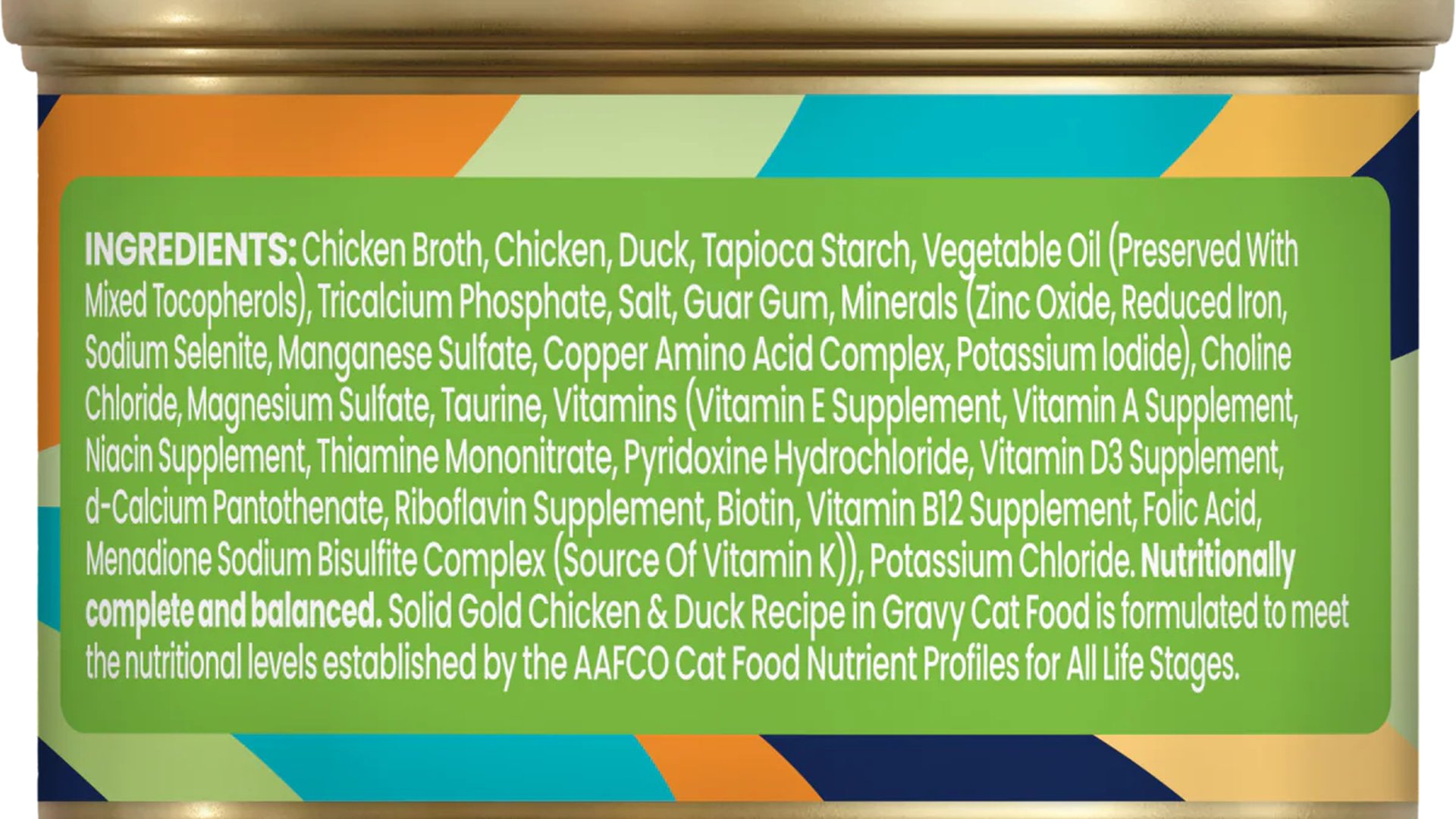
Look for keywords like “complete and balanced” as defined by AAFCO (Association of American Feed Control Officials). This means the food meets or exceeds minimum nutrient standards for feline health. But even that isn’t enough—always cross-reference with the ingredient list.
Finally, ask yourself: Does the brand provide transparency? Reputable companies share sourcing information, lab testing reports, and feeding trials. A pet owner in Chicago reviewed a brand that published third-party lab results showing actual protein content matched the label. That kind of transparency builds real trust.
Make the Right Choice—For Your Cat, Not the Ad
Decoding cat food labels like a pro isn’t about being a nutrition expert. It’s about being a smart, thoughtful pet parent. Every piece of information on the bag matters—especially when your cat’s health depends on it. Take the time to read beyond the packaging. Understand what you’re feeding. And always, always choose quality over convenience.
Because a good cat food isn’t just about slowing down aging or preventing illness. It’s about giving your cat the energy to play, the strength to jump, and the vitality to live a full, happy life. And that starts with reading the label—just like a pro.


