Why Is My Dog Eating Grass? Understanding the Behavior
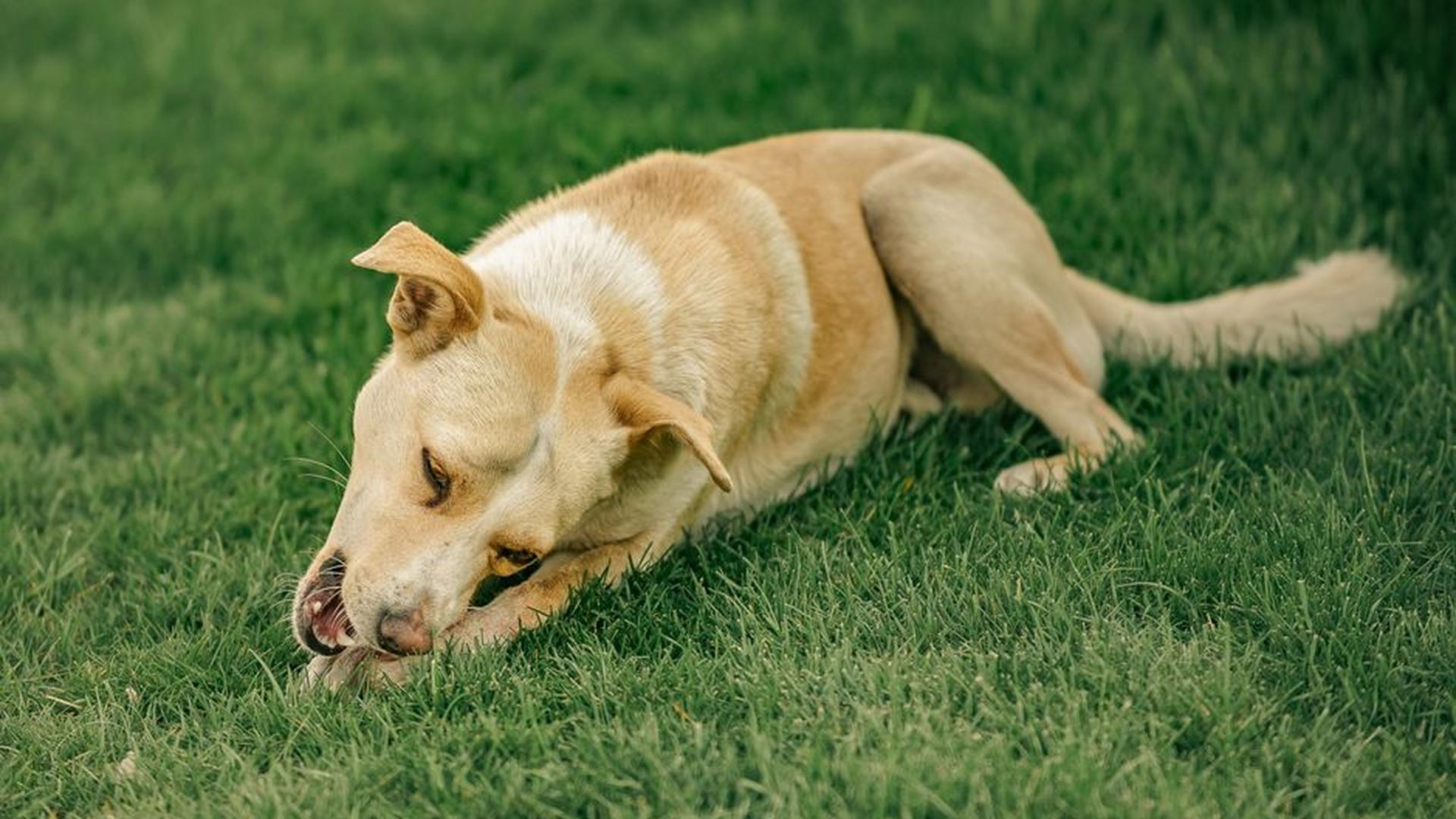
If you’ve ever watched your dog pause mid-walk, trot over to a patch of lawn, and start chewing on the grass like it’s the most delicious treat, you’re not alone. This behavior is more common than you might think—over 75% of dog owners report at least one instance of their dog eating grass. While it may seem strange or even concerning, in most cases, it’s not a sign of illness. Instead, it’s often a natural and instinctive behavior rooted in your dog’s biology and evolutionary past.
Take the case of Max, a 3-year-old golden retriever from Seattle. His owner, Sarah, noticed he’d often stop during their evening walks, paw at the grass, and go to town on it like it was a snack. At first, she worried he might be sick. But after a vet check-up ruled out any health concerns, she began to understand that Max was simply doing what dogs have done for thousands of years.
Instinct and Evolution: Why Dogs Might Eat Grass Naturally
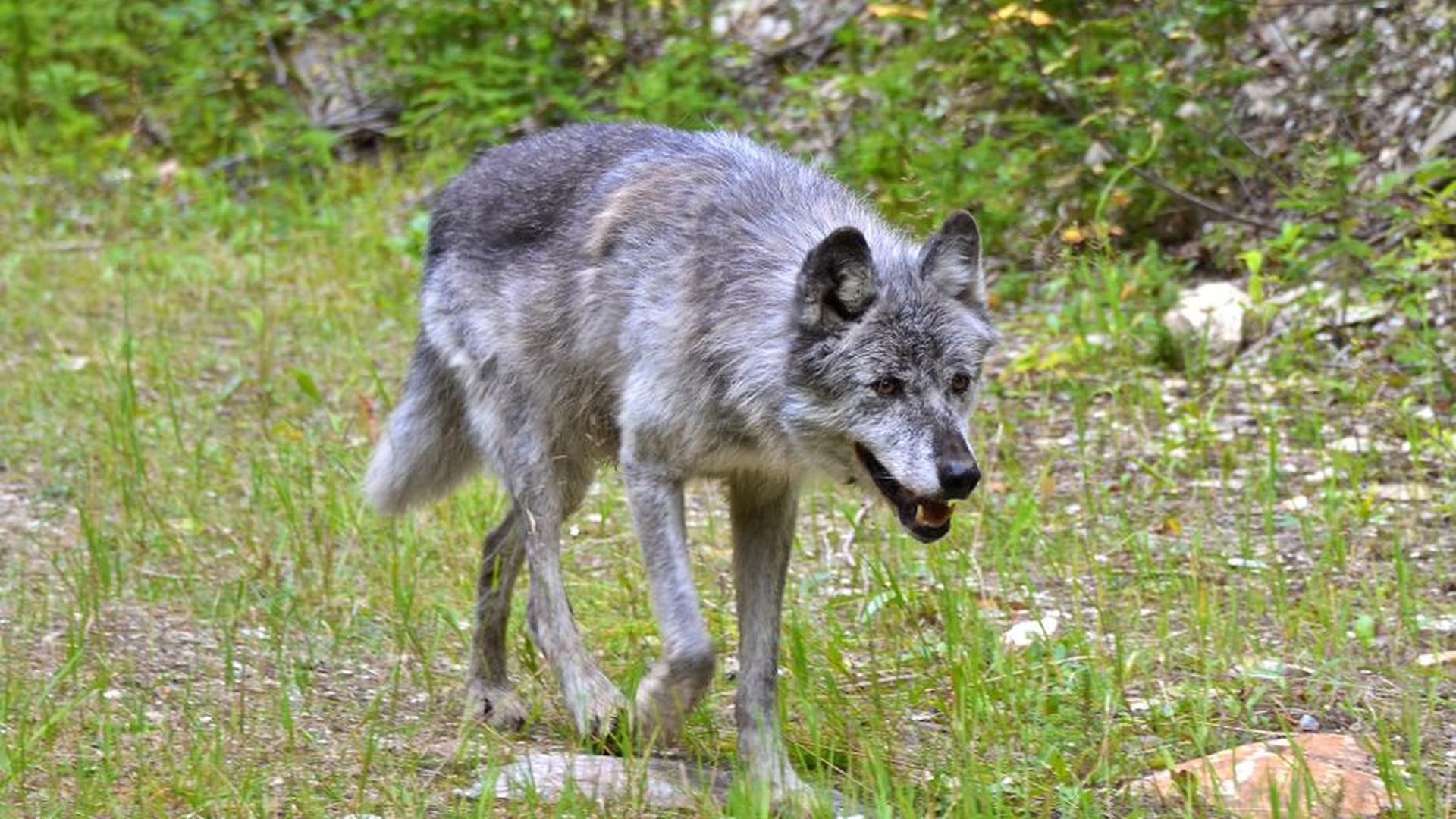
Dogs are omnivores, meaning they can eat both animal and plant-based foods. Unlike cats, who are obligate carnivores, dogs evolved from wolves—predators that consumed prey and often ingested plant material from the stomachs of their prey. This means that grass eating isn’t just a quirky habit; it’s embedded in their DNA.
In the wild, wolves occasionally consumed plant matter, including grasses, to aid digestion or clean their guts. Modern dogs may still follow that instinct. Some experts believe that eating grass helps soothe an upset stomach, act as a natural laxative, or even serve as a way to expel intestinal parasites.
Moreover, dogs have a strong sense of smell and may be drawn to fresh grass due to its natural scent and texture. Some breeds, particularly herding dogs like border collies and shepherds, are more likely to exhibit this behavior, possibly because they’re naturally curious and attentive to their surroundings.
When Grass Eating Signals a Health Issue
While most grass eating is harmless and normal, there are times when it could point to an underlying health problem. Owners should pay close attention to the context and accompanying symptoms.
If your dog eats grass and then vomits immediately afterward, it may be a sign that their stomach is irritated. Repeated vomiting after grass consumption could indicate gastritis, food intolerance, or even a blockage if the grass is ingested in large amounts. In one documented case, a 5-year-old beagle named Luna started eating grass daily, followed by frequent vomiting. A vet discovered she had a mild case of inflammatory bowel disease, which improved after adjusting her diet.
Other red flags include: eating grass in large quantities, showing signs of distress (panting, pacing, whining), consuming non-grass plants (like houseplants or toxic weeds), or having diarrhea and loss of appetite. These symptoms suggest that the behavior may be linked to a medical condition rather than instinct.

How to Assess Your Dog’s Grass-Eating Habits
If your dog eats grass occasionally and still seems happy, energetic, and has normal bowel movements, there’s likely no need for alarm. However, if it’s becoming frequent or worse, it’s time to take action.
First, keep a simple log for two weeks: note the time, weather, what your dog was doing before eating grass, and any changes in behavior or digestion. This can help you and your vet spot patterns.
Next, assess your dog’s environment. Are they stressed during walks? Do they seem anxious or bored? Dogs may eat grass as a coping mechanism for anxiety or boredom. Providing mental stimulation, longer walks, or puzzle toys can reduce such behaviors.
Also, consider your dog’s diet. A diet lacking fiber or rich in low-quality fillers might lead to digestive discomfort, prompting grass eating. Switching to a higher-fiber, nutritionally balanced food—consult your vet for recommendations—can make a difference.

When to Seek Veterinary Advice
While grass eating is common, you should consult a veterinarian if your dog:
– Vomits frequently after eating grass
– Shows signs of dehydration (sunken eyes, dry gums)
– Has black or tarry stools (a sign of bleeding in the digestive tract)
– Appears lethargic or loses appetite
– Eats grass along with other plants, such as lawn chemicals, mushrooms, or flowers
These symptoms may indicate more serious issues like gastrointestinal obstruction, parasitic infection, or pancreatitis.
In one case from Austin, Texas, a 7-year-old poodle named Leo started eating grass after being exposed to a new garden with chemical fertilizers. He developed diarrhea and became lethargic. His owners took him to the vet, who found evidence of chemical toxicity. Prompt treatment led to a full recovery.

Final Thoughts: Should You Stop Your Dog from Eating Grass?
In most cases, yes—there’s no need to stop it. Letting your dog eat grass occasionally is not harmful, especially if they’re otherwise healthy. However, you can take steps to keep them safe and informed.
Avoid letting your dog eat grass treated with pesticides, herbicides, or fertilizers. Always choose grass-free areas for walks, or use a dog-safe, grass-free yard if possible. If you notice changes in behavior or health after grass consumption, keep a record and report it to your vet.
Remember: your dog isn’t trying to punish you by eating grass. They’re responding to instincts, hunger, boredom, or even mild discomfort. By understanding the root cause, you can support their well-being—and your peace of mind—without fear.