What to Do If Your Pet Gets a Minor Cut or Scrape
Minor cuts and scrapes are more common than you might think, especially in active dogs and curious cats. A quick fall on a sidewalk, a sharp edge in the yard, or even a rough tussle with another pet can leave behind a small wound. While these injuries may seem minor, proper care is essential to prevent complications like infection, pain, or delayed healing. Knowing how to respond calmly and effectively can make a big difference in your pet’s recovery and comfort.
Assess the Injury Quickly and Calmly
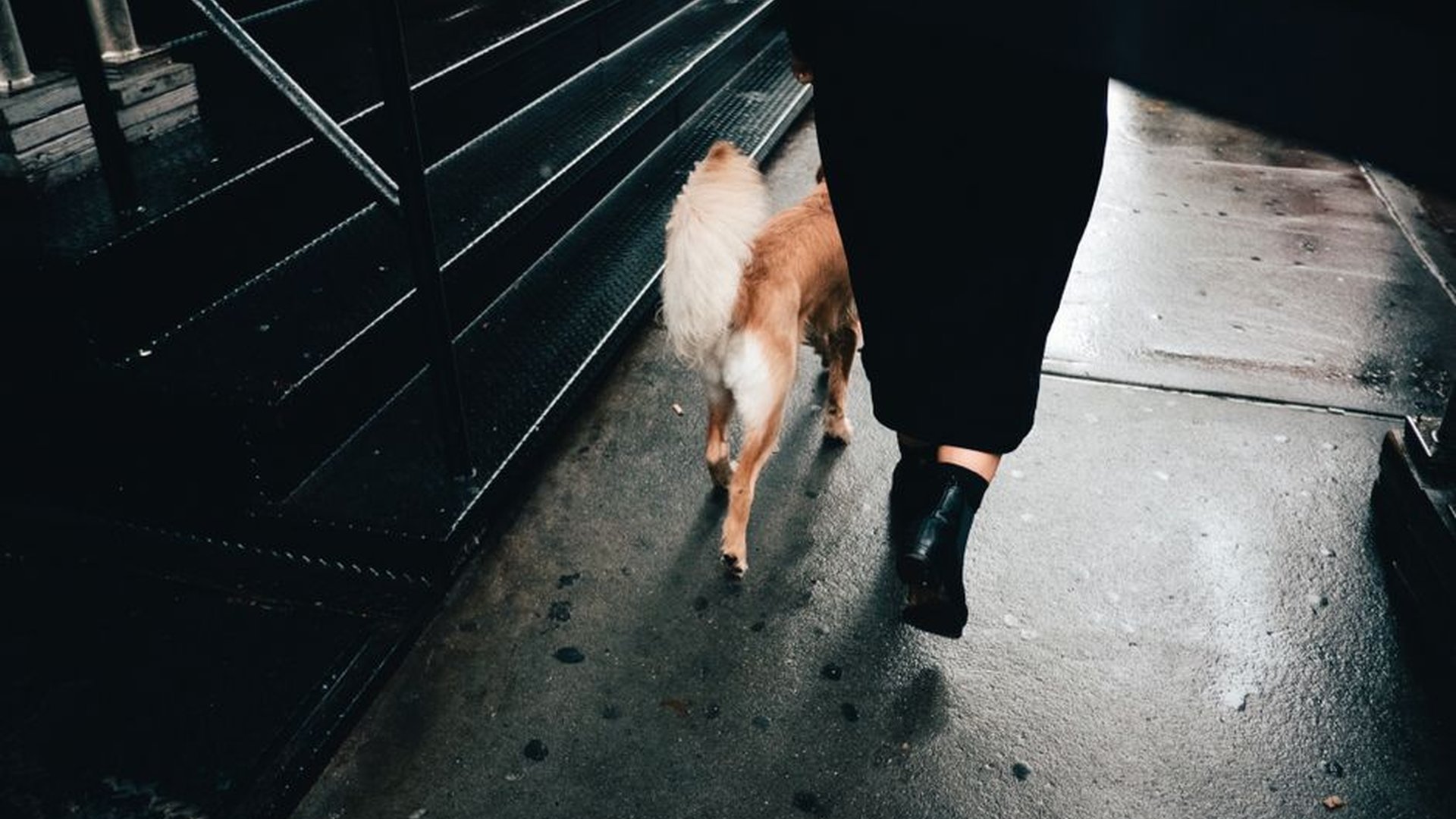
The first step is not to panic—your pet relies on you to stay composed. If you notice a cut or scrape, gently examine the area. Look for signs of bleeding, swelling, redness, or embedded debris such as dirt, gravel, or plant material. A minor scrape on a dog’s paw pad after walking through a yard might appear alarming, but often it’s just surface-level trauma. However, if the wound is deep, oozing dark fluid, or your pet is limping severely, seek veterinary help immediately.
Remember: Your pet may flinch or pull away due to pain, not fear. Avoid forcing them into a position they’re uncomfortable with. Use a soft towel or piece of cloth to gently hold the area still if needed, but never restrain them harshly. Some dog owners report that speaking in a soft, reassuring tone helps their pet relax during injury checks.
Stop the Bleeding and Clean the Wound
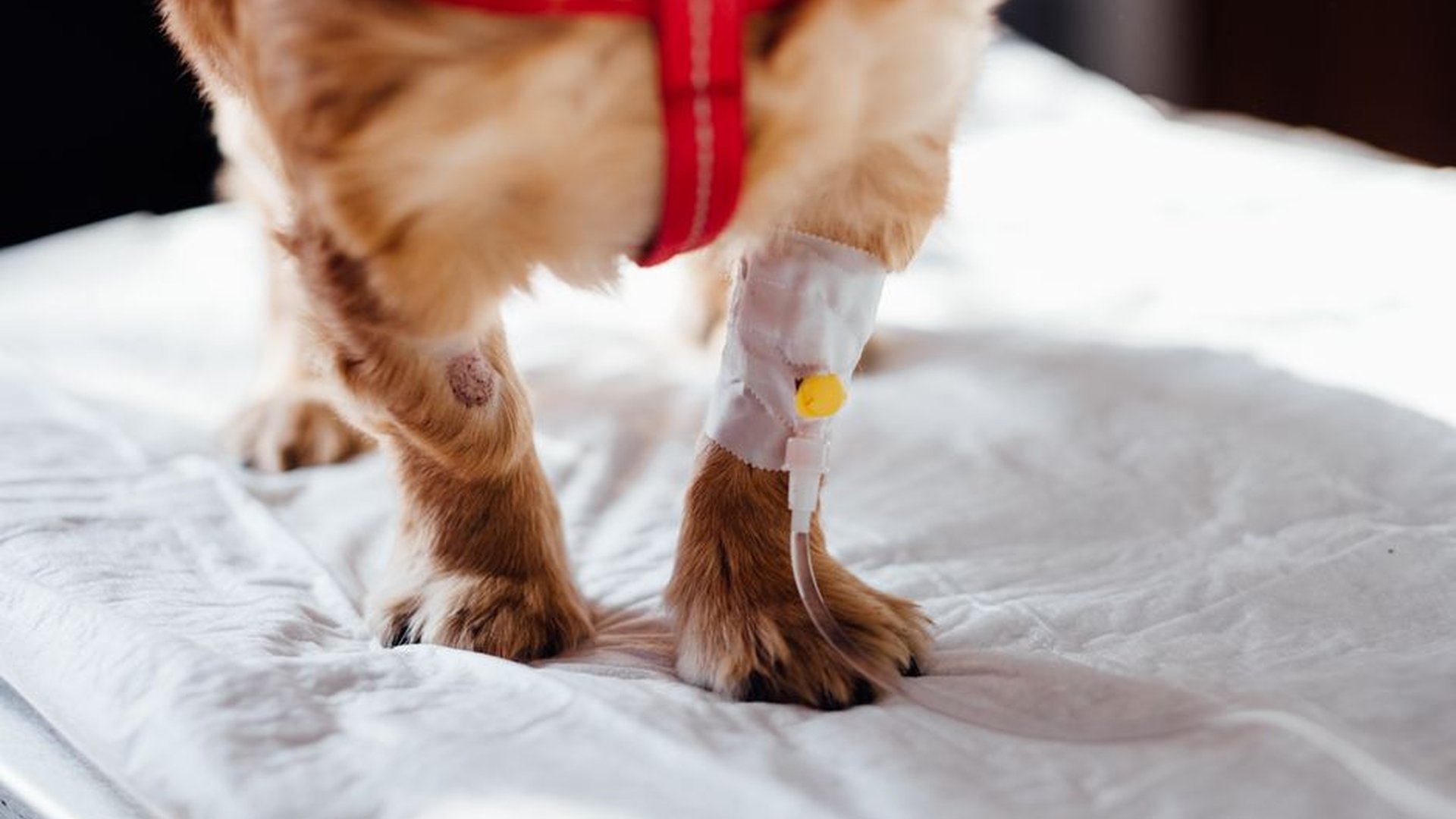
If there’s active bleeding, apply gentle pressure using a clean gauze pad or cotton ball. Hold it in place for 5 to 10 minutes without checking frequently—this allows the natural clotting process to work. Avoid using hydrogen peroxide, witch hazel, or alcohol, as these can damage healthy tissue and slow healing.
Once bleeding has slowed or stopped, begin cleaning. Use clean, lukewarm water or a mild, pet-safe antiseptic solution recommended by your vet. Gently rinse the wound to remove dirt and debris. For outdoor pets, consider the environment—was the injury caused by a rusty nail, glass, or a thorny bush? These increase the risk of tetanus or bacterial infection, so prompt cleaning is even more vital.
A real example from a pet owner in Portland, Oregon: Her golden retriever, Max, scraped his leg on a wooden fence during a backyard run. She washed the wound with a saline solution she kept in her pet first aid kit. Within three days, the scrape was healing nicely, with no signs of irritation. Her prompt action made all the difference.
Apply a Pet-Safe Antiseptic and Protect the Area
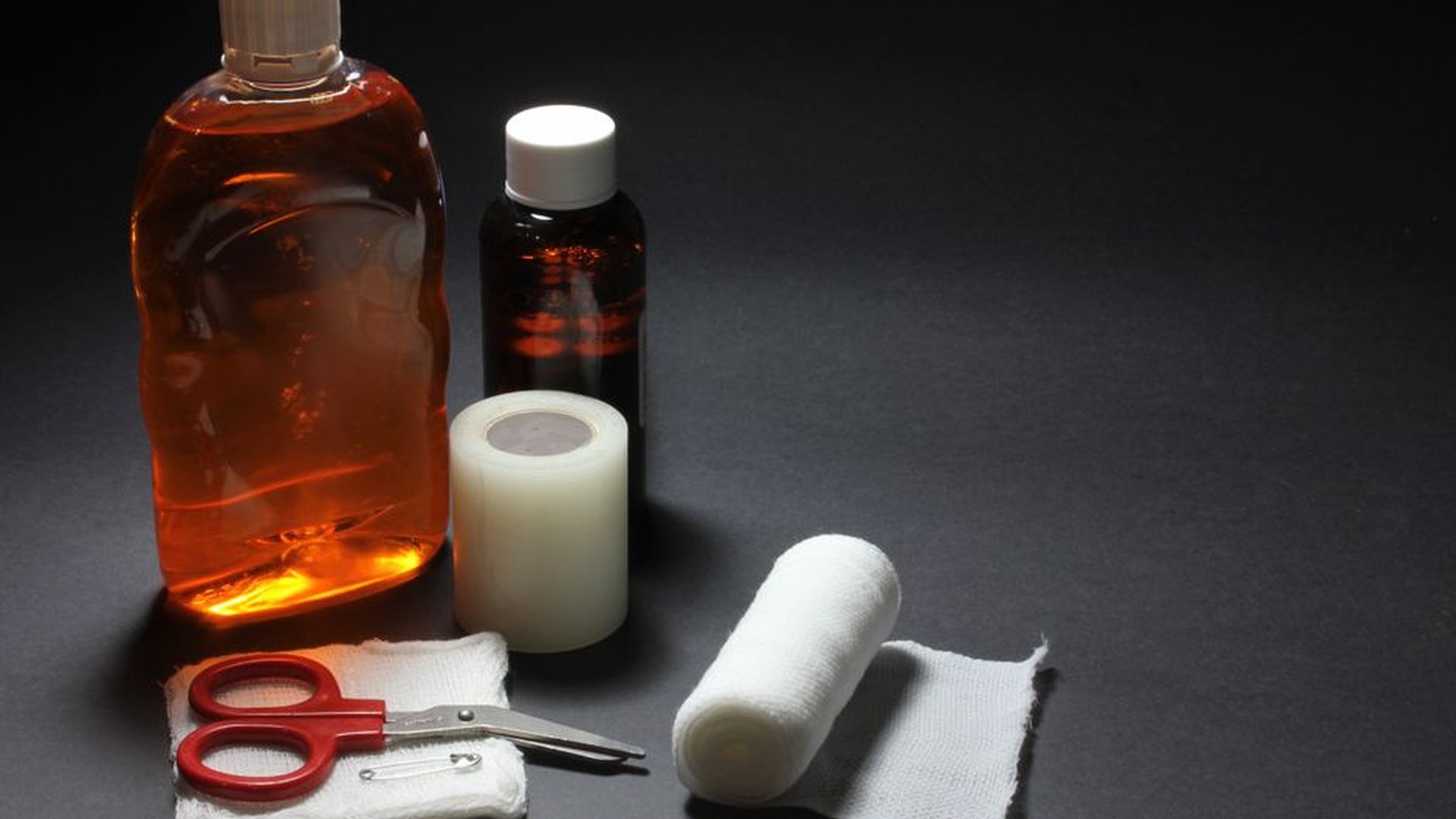
After cleaning, apply a thin layer of a veterinarian-approved topical antiseptic. Avoid ointments meant for humans, as many contain ingredients like benzocaine or neomycin that can be toxic to animals. Look for products labeled safe for pets and free of dyes and harsh chemicals.
Next, cover the wound with a sterile gauze pad or non-stick bandage. For paws, you can use vet wrap or a small pet bootie to keep the area dry and protected. Some cats might try to lick the injury—this is a natural instinct but it can introduce bacteria and worsen the wound. If your pet is prone to licking, use a cone collar (Elizabethan collar) or a soft recovery collar to prevent access.
Important note: Never use human bandages, tape, or adhesive products. These may irritate your pet’s skin or cause allergic reactions. Always use materials designed for animals.
Monitor for Signs of Infection
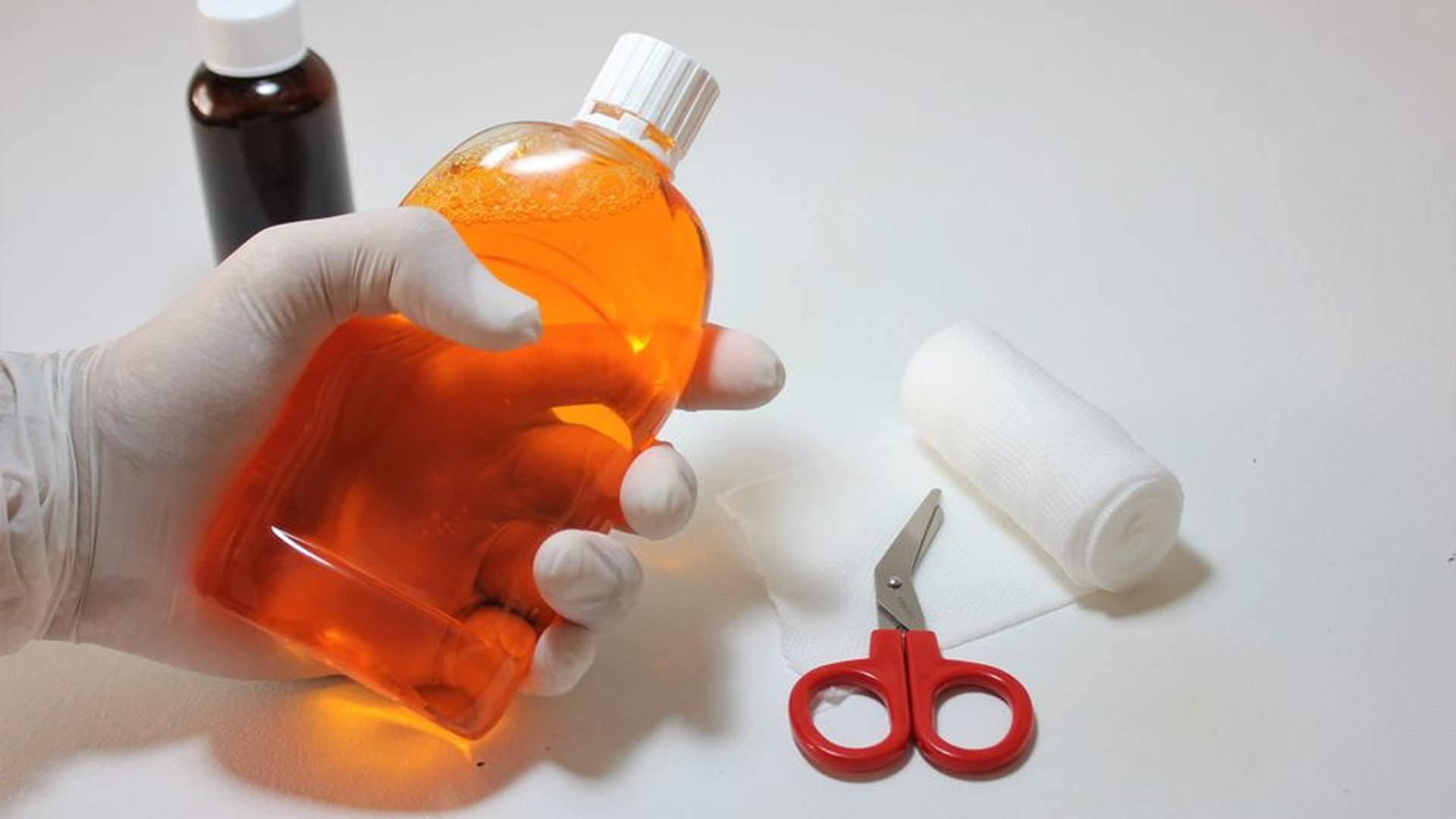
Even minor wounds can turn into bigger issues if not monitored. Check the wound daily for swelling, increased redness, pus, a foul smell, or signs your pet is in more pain than usual—such as biting at the wound, refusing to walk, or showing irritability.
If any of these symptoms appear, contact your veterinarian as soon as possible. Infections can spread fast, especially in pets with underlying health conditions like diabetes or weakened immune systems.
A 2022 study published by the American Veterinary Medical Association found that 1 in 5 minor pet wounds progressed to infection due to delayed or improper care. Most cases had been treated at home with household items like vinegar or milk—none of which are safe for wounds. This is why proper, science-backed care matters.

When to Seek Professional Help
Most minor cuts and scrapes heal on their own within 3 to 7 days with proper care. But certain red flags mean you should not wait:
– The wound continues to bleed after 15 minutes of pressure
– It’s located near the eye, joint, or vital area
– Your pet shows signs of shock (pale gums, rapid breathing, weakness)
– The injury was caused by a bite, animal attack, or deep puncture
– The wound has opened up again after initial healing
In the case of a young cat in Austin, Texas, who scratched his face while climbing a tree, the owner thought it was a small scrape. But by day four, it was swollen and oozing. The vet diagnosed a bacterial infection and prescribed antibiotics. Early intervention could have prevented the full course of treatment.
Pet care is not just about reacting—it’s about being prepared. Keeping a well-stocked pet first aid kit at home with items like saline solution, gauze, antiseptic wipes, and a recovery collar can turn a stressful moment into a calm, effective one.
Keep Calm, Act Right, and Trust Your Instincts
When your pet gets a minor cut or scrape, it’s natural to feel anxious. But most of these injuries are manageable at home with the right steps. Stay calm, clean carefully, protect the wound, and watch closely. Your actions today can shape your pet’s recovery and long-term trust in you as a calm, reliable caretaker.
Remember: What seems like a small scratch to you might feel like a big deal to your pet. Patience, reassurance, and prompt care are your most powerful tools. With a little preparation and a clear head, you’ve got this.