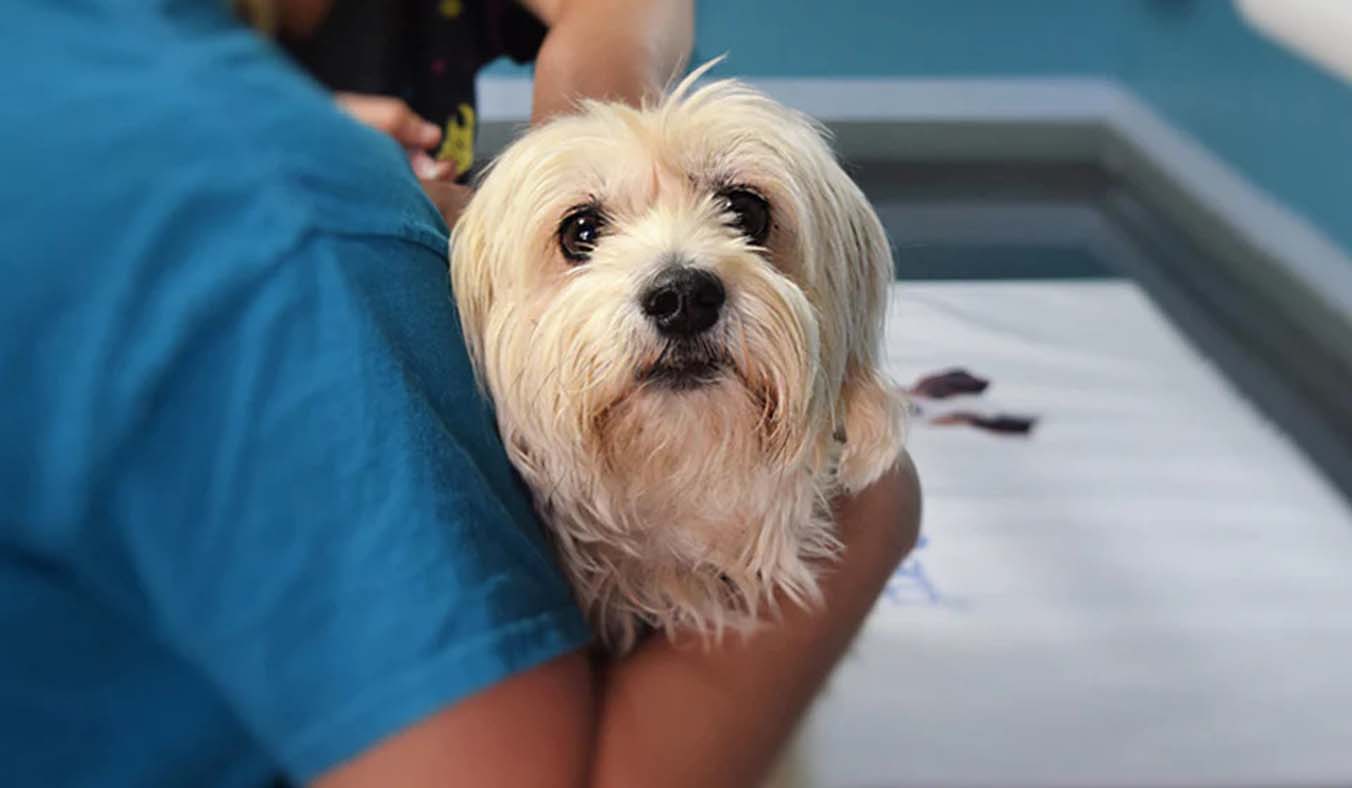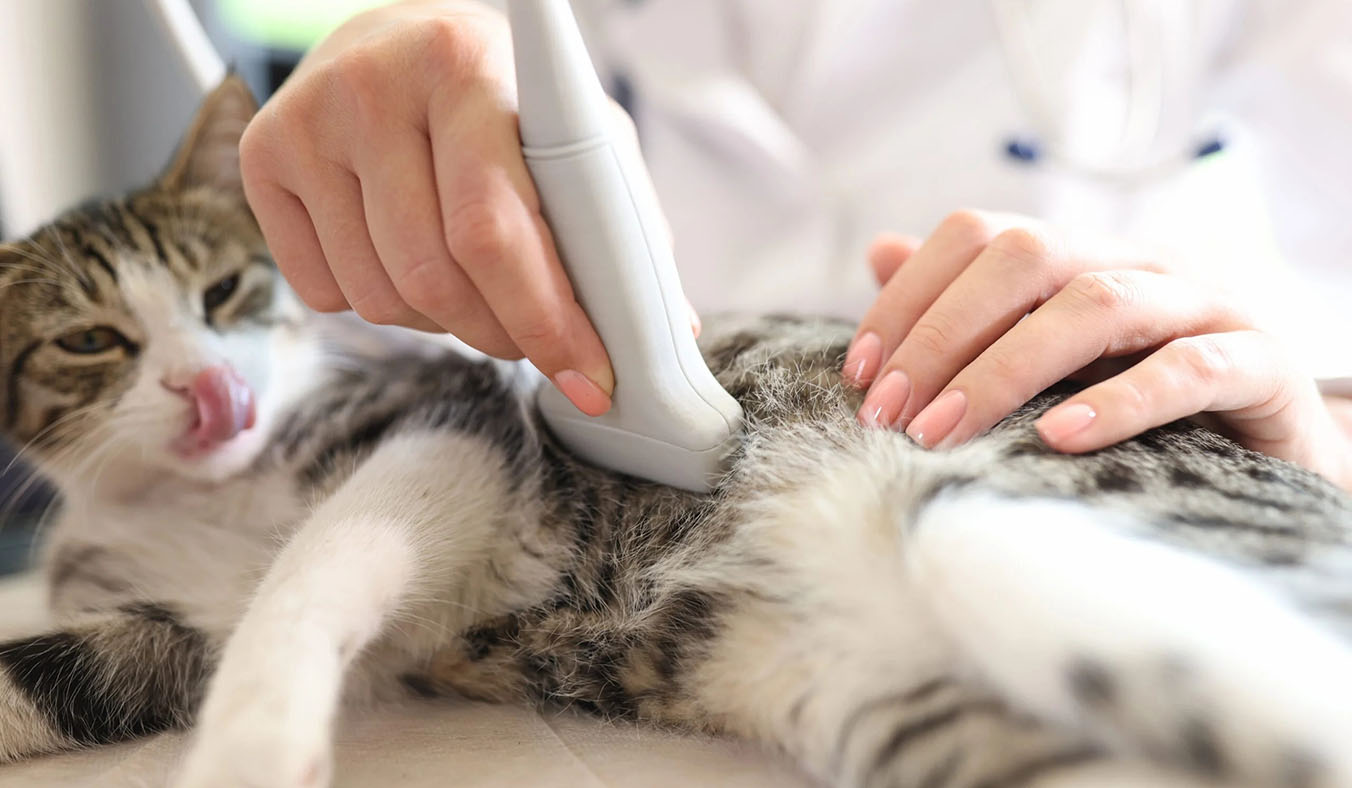
Many people believe that when a cat or dog is in pain or injured, they will cry out or struggle dramatically. In reality, the opposite is often true. Cats and dogs are naturally stoic; in their instinctual understanding of the world, showing pain means showing vulnerability. This is especially true for felines, who are more likely to hide or remain silent when uncomfortable.
That’s why it’s crucial to learn how to interpret the subtle, non-verbal signs that your pet might be in pain. Below are six commonly overlooked yet highly indicative signs that your pet may be experiencing discomfort, injury, or chronic pain. These signs don’t always mean serious illness—but they can be your pet’s invisible cry for help.
1. Subtle Changes in Walking Posture: Listen to Their Footsteps
One of the most obvious yet easily ignored indicators is a change in how your pet walks. Many won’t limp noticeably; instead, they may drag their feet slightly, favor one side, or avoid putting full weight on a limb. Especially on wooden or tile floors, their usual rhythmic steps may sound uneven or be missing a paw’s sound entirely.
You may notice them pausing more during walks, turning more slowly, or avoiding certain furniture—all signs of possible discomfort in joints, paw pads, or muscles. Some pets also rise or sit more cautiously, as if trying not to touch a sore spot.
This shift in gait is often mistaken for laziness or aging, especially after surgery or a fall. But even a mild muscle strain can lead to postural adjustments that are only visible with quiet, patient observation.
2. Excessive or Focused Licking: More Than Just “Cleanliness”
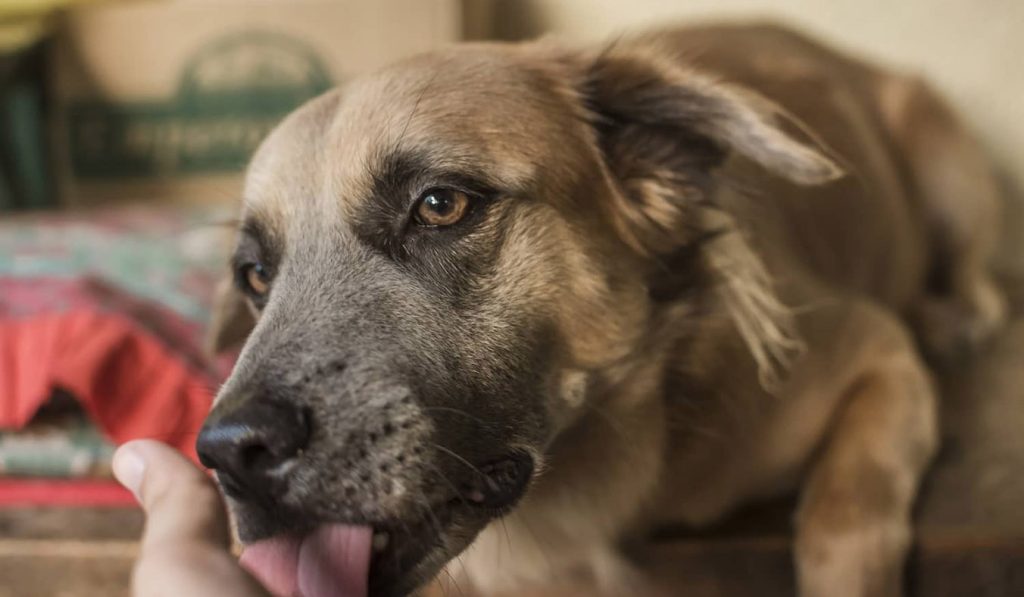
It’s normal for pets to groom themselves, but when licking becomes obsessive or focused on one area, it’s time to be concerned. Dogs that repeatedly lick one paw, leg, or the base of the tail—and even lick it raw or bald—are often responding to pain, irritation, or inflammation.
Cats may also try to “self-soothe” by licking areas like their inner thighs, bellies, or a particular spot on their back. This often follows an internal injury or deep bruise. If you notice your cat constantly licking its hip while lying on its side, it could be a sign of hip joint pain.
It’s also important to note that the pain isn’t always on the skin’s surface. Pets may lick areas that appear uninjured because the discomfort lies deeper—possibly due to nerve pain, tendon strain, or joint wear.
3. Sudden Mood Swings or Sensitivity: Pain-Induced Personality Changes
Pain affects more than the body—it impacts mood as well. Pets who are normally gentle and calm may suddenly become snappy or overly sensitive, especially if you touch a specific area and they flinch, growl, or even snap. This is often misread as “bad behavior,” but it’s more likely a pain response.
You may also notice your pet pacing, unable to settle down, as if it can’t find a comfortable position. This restless behavior is particularly common with abdominal pain or internal discomfort.
Some pets may even avoid your touch entirely, seeming distant or fearful. They’re not rejecting you—they’re afraid you’ll touch a painful spot, and their withdrawal is a form of self-preservation.
4. Changes in Sleeping Habits or Positions: Relaxed Appearance, Hidden Tension
Pets in pain often change the way they sleep. A dog who once slept sprawled on its side may now only nap curled tightly on its stomach. A cat who loved snoozing on the couch might now hide under tables or in corners—not due to a sudden desire for solitude, but because these positions or locations ease their discomfort.
Another subtle sign is “light sleeping.” They may seem asleep, but their ears twitch constantly and they remain alert to the slightest sound. This semi-alert state often stems from pain preventing them from entering deeper, restorative sleep.
Be alert to increased daytime drowsiness or nighttime restlessness, too. Pain often feels more intense at night due to cooler temperatures and quieter environments that make physical discomfort more noticeable.
5. Eating Slower Despite Normal Appetite: Watch the Way They Chew and Swallow
Many pets in pain continue to eat, but with noticeable changes. They may eat slower than usual, pause between bites, or adjust their posture repeatedly before starting. This can signal dental pain, jaw strain, or even discomfort in the neck or shoulders that makes chewing or swallowing more difficult.
Cats with mouth or throat pain may repeatedly lick food without eating, or hesitate before swallowing. Every swallow might be painful.
Some pets might suddenly refuse dry kibble and prefer only soft or wet food. This isn’t just pickiness—it may be a physical struggle to chew harder textures.
6. Subtle Breathing Changes: A Quiet Sign of Chronic Pain
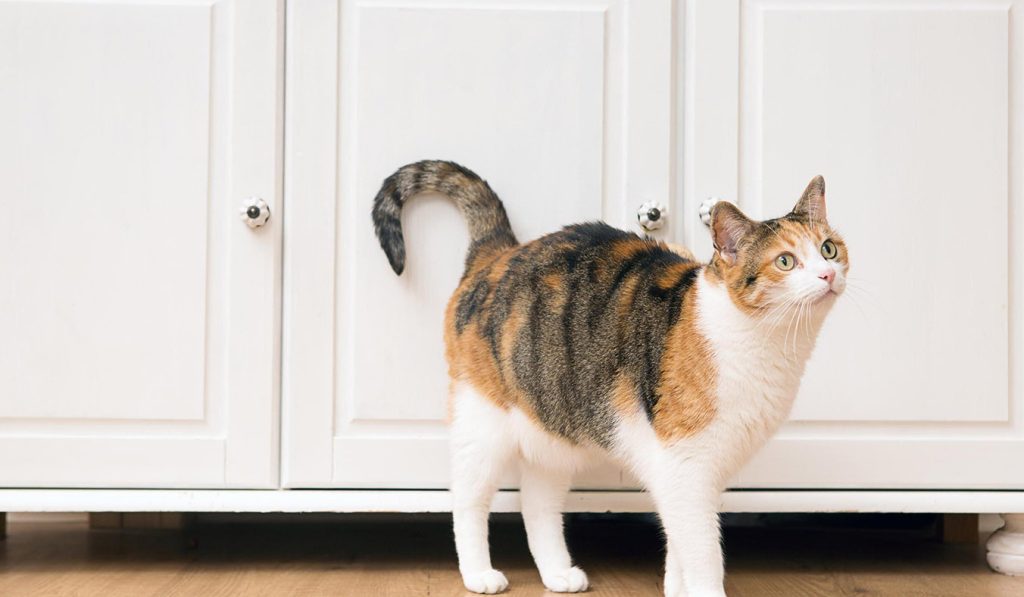
In cases of chronic pain, pets may not pant dramatically but instead display subtle shifts in their breathing. You might see fast, shallow breathing even while they rest, or notice they favor one side of their abdomen while breathing. Some may show slight tremors in the belly while asleep—these can all be signs of pain-driven energy conservation.
Other behaviors include licking their lips frequently, or opening their mouth slightly without making a sound, like they’re trying to regulate their breathing. These movements may appear harmless, but they can be responses to internal discomfort.
How to Tell if These Signs Are Serious
If you notice two or more of the above signs persisting for more than two days, it’s worth scheduling a veterinary check-up. Especially if these behaviors appear “out of the blue”—without a recent food change, outdoor excursion, fight, or fall—they may point to internal pain or injury.
Bath time, brushing, and daily contact are great opportunities for casual pain checks. Gently press on limbs, belly, and spine, and watch your pet’s reactions. If they flinch, turn suddenly, or vocalize when touched in a certain spot, it’s a likely pain zone.
Pain Management Is More Than Treating Illness
Modern veterinary care isn’t just about treating illnesses after they appear—it’s about early intervention and pain prevention. For chronic conditions like arthritis, digestive issues, or dental disease, managing pain early through nutritional support, gentle exercise, and environmental adjustments (like softer beds or lower climbing spaces) can greatly enhance your pet’s quality of life.
Many pets regain their playful spirit once their pain is under control. That moment when they “come back to life” is incredibly moving. So don’t wait for a loud cry. The quiet signals you’ve been noticing might just be your pet’s most urgent call for help.