Why Does My Dog Keep Scratching After Deworming?
You’ve just given your dog a dewormer. The instructions said it would clear out internal parasites—so why is your dog still scratching like there’s no tomorrow? You’re not alone. Many dog owners report continued itching, licking, and skin irritation right after deworming, which can be confusing, stressful, and sometimes worrying. But here’s the truth: this kind of behavior isn’t always a sign of treatment failure. Sometimes, it’s part of the healing process—and a signal to pay closer attention.
Parasites Can Cause Skin Reactions Even After They’re Gone
When a dog is infected with intestinal parasites like roundworms, hookworms, or whipworms, their presence often triggers immune responses. These parasites release proteins and metabolites into the bloodstream, which can trigger inflammation and allergic reactions. Even after the dewormer kills them, the dead parasites remain in the body for a few days, breaking down and releasing those same irritants.
It’s a bit like a silent storm inside your dog’s system. The immune system is still reacting—sometimes causing itchy skin, hives, or even a mild rash. In a real case from Portland, Oregon, a 3-year-old Labrador named Max started scratching violently two days after his deworming treatment. His owner was concerned he’d been re-infected—until the vet confirmed that Max had a low-grade allergic response to the debris left behind by dead parasites.
This reaction usually resolves within 2–4 days. But if the itching persists beyond that, it’s time to investigate further.

External Parasites May Still Be Present
Dewormers target internal parasites. They don’t affect external pests like fleas, ticks, or mites. So if your dog still scratches after deworming, it’s possible the issue isn’t internal at all. In fact, many dog owners confuse deworming with flea control—and that’s a common mistake.
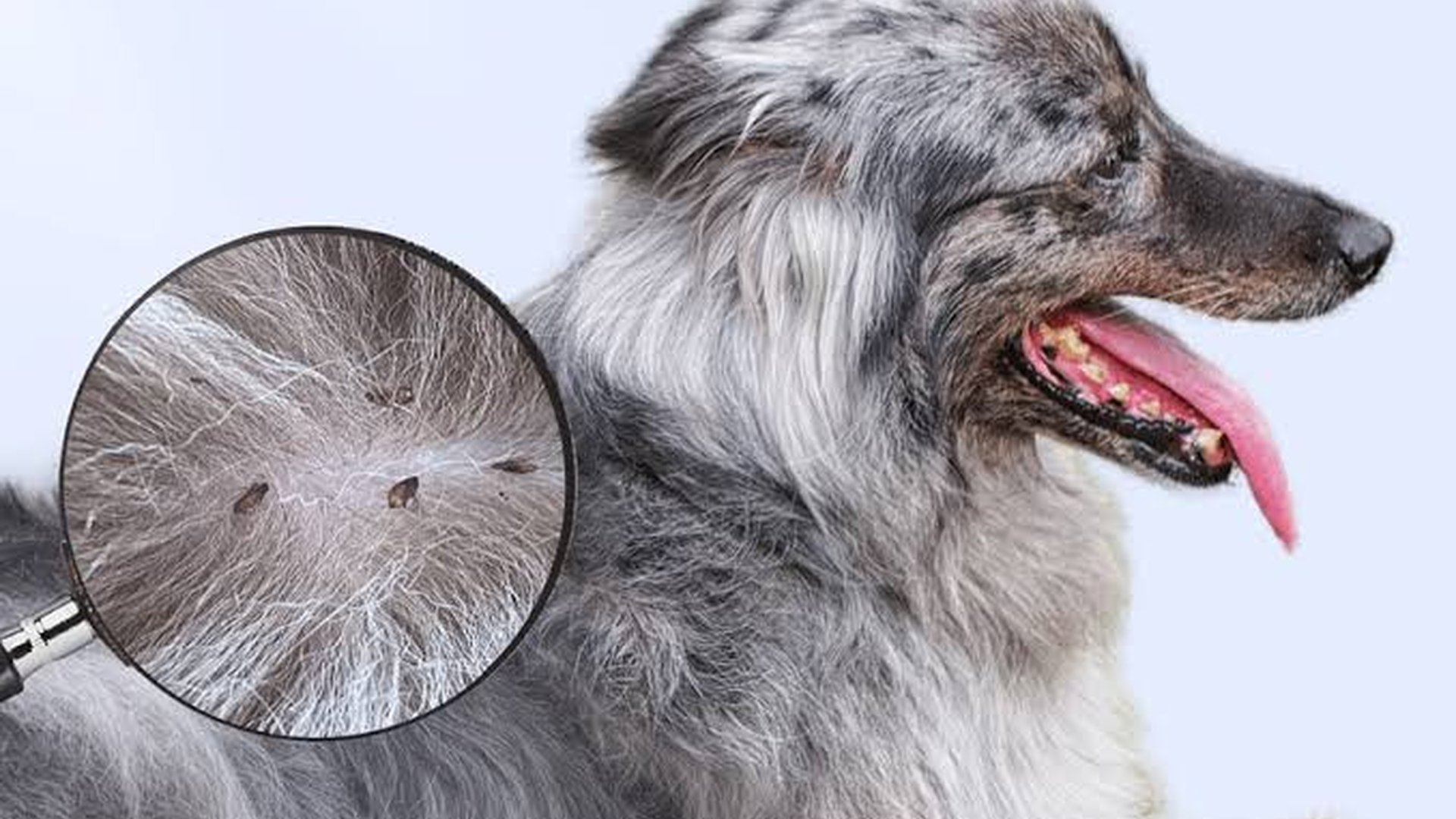
Fleas, in particular, are notorious for causing intense itching. A single bite can trigger a severe allergic reaction called flea allergy dermatitis (FAD). This condition causes dogs to scratch, chew, and lick their legs, tail base, and back, even with just one flea on them.
In a case from Austin, Texas, a Beagle named Luna had been treated for roundworms but continued to scratch and bite her hind legs. It wasn’t until a vet used a magnifying lens and found a single flea on her back that they realized the real culprit. The solution wasn’t another dewormer—it was a flea preventive like imidacloprid or fipronil.
Always inspect your dog’s fur, especially under the tail, behind the ears, and around the neck—not just after deworming, but regularly. External pests often thrive in warm, moist areas and may not be visible to the naked eye.
Secondary Skin Infections Can Trigger Ongoing Itchiness
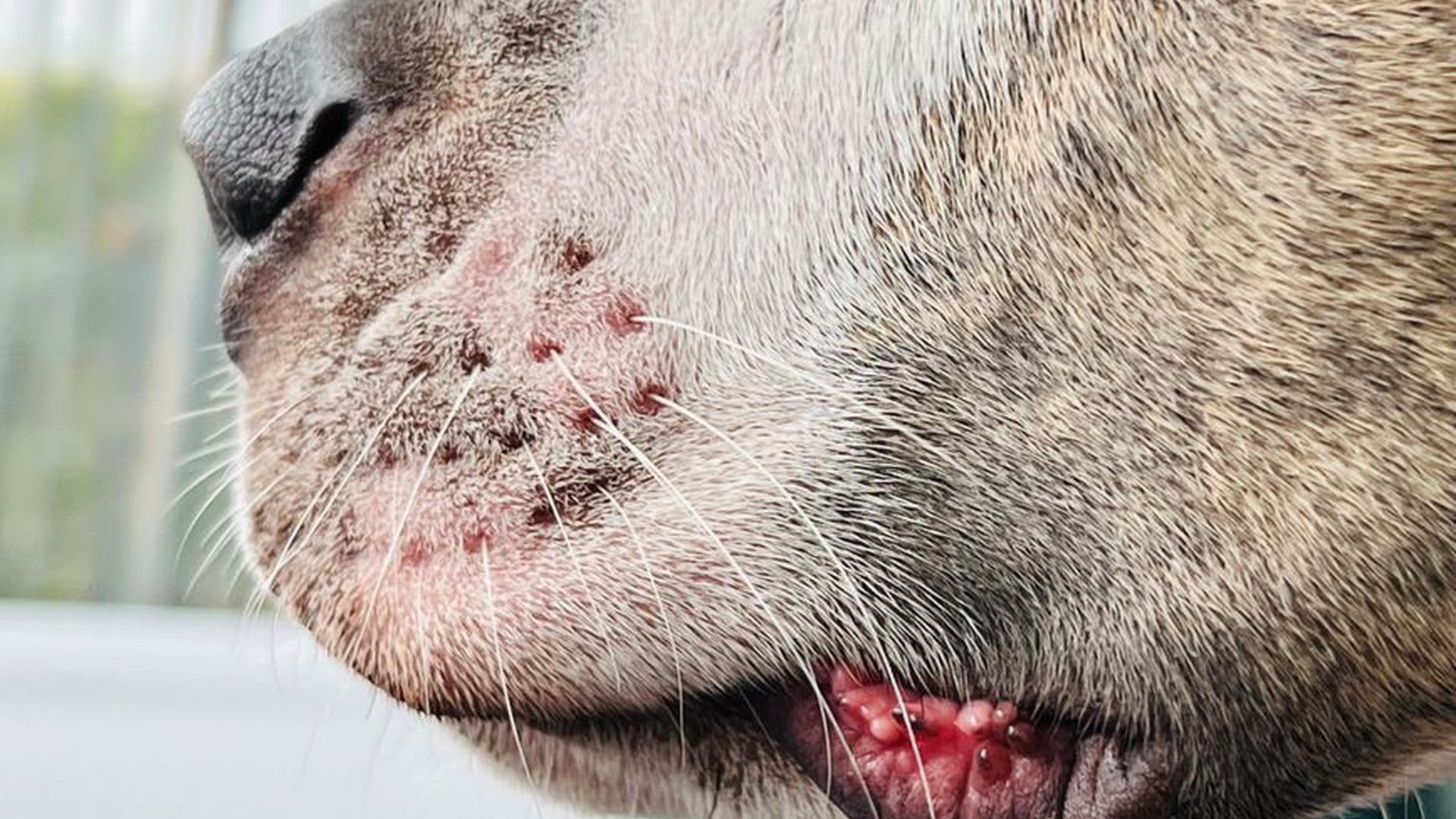
Persistent scratching doesn’t just irritate the skin—it damages it. When a dog scratches repeatedly, it can break open the skin, creating tiny wounds. These serve as entry points for bacteria and yeast, leading to secondary infections like pyoderma or Malassezia overgrowth.
Think of it like an open wound on a human. If you keep scratching it, it gets worse and takes longer to heal. The same happens with your dog. Itching becomes a cycle: parasite irritation → scratching → skin damage → infection → more itching. This creates a frustrating loop that can last for weeks if left untreated.
In a follow-up visit in Denver, a 5-year-old Dachshund named Lulu was diagnosed with a secondary bacterial infection after her owner treated her for tapeworms. Her fur was matted, her skin was red and oozing, and she wouldn’t stop chewing at her paws. After a course of antibiotics and anti-itch medication, her condition improved—but only after the infection was addressed.
If you notice redness, swelling, pus, or a bad odor from your dog’s skin, don’t delay. A vet visit is essential to determine if infection is behind the scratching.
When to Worry: Signs Your Dog Needs Immediate Attention
Most post-deworming itching is temporary and harmless. But some symptoms signal a deeper problem—and should not be ignored.
Call your vet immediately if your dog shows:
– Vomiting or diarrhea after deworming
– Loss of appetite or lethargy
– Swelling in the face, lips, or gums
– Seizures or tremors
– Breathing difficulties
These could be signs of an allergic reaction to the dewormer itself. While rare, serious reactions to medications like praziquantel or ivermectin can occur—especially in sensitive breeds like Collies or Australian Shepherds.
In Seattle, a young Sheltie named Scout developed hives and difficulty breathing 12 hours after taking a dewormer. The owner rushed him to an emergency clinic, where they administered antihistamines and corticosteroids. With prompt treatment, he recovered—but the experience was a wake-up call about medication safety.
Always follow dosage guidelines and never combine dewormers without vet guidance.
What You Can Do Right Now
If your dog is still scratching after deworming, here’s a step-by-step action plan:
1. Wait 48–72 hours. Mild irritation may fade on its own as the body clears dead parasite material.
2. Check for fleas and ticks. Use a fine-toothed comb and examine the skin closely, especially at the base of the tail and behind the ears.
3. Avoid over-bathing. Frequent baths can strip natural oils and worsen skin dryness. Use a vet-recommended hypoallergenic shampoo only if needed.
4. Trim fur around the tail and legs. This reduces hiding spots for pests and makes it easier to spot irritation.
5. Use a gentle collar or topical preventive—especially if fleas are suspected.
6. Contact your vet if itching lasts more than 5 days, spreads, or is accompanied by other symptoms.
Remember: deworming is a powerful tool, but it’s not a magic fix. Your dog’s health journey doesn’t end with a single pill. Consistent care, close observation, and timely vet visits are key to breaking the itch cycle and ensuring long-term wellness.
The scratching may feel endless—but with the right understanding and action, it can stop. Your dog deserves to feel comfortable, not stuck in a cycle of discomfort. And now, you’re better equipped to help.