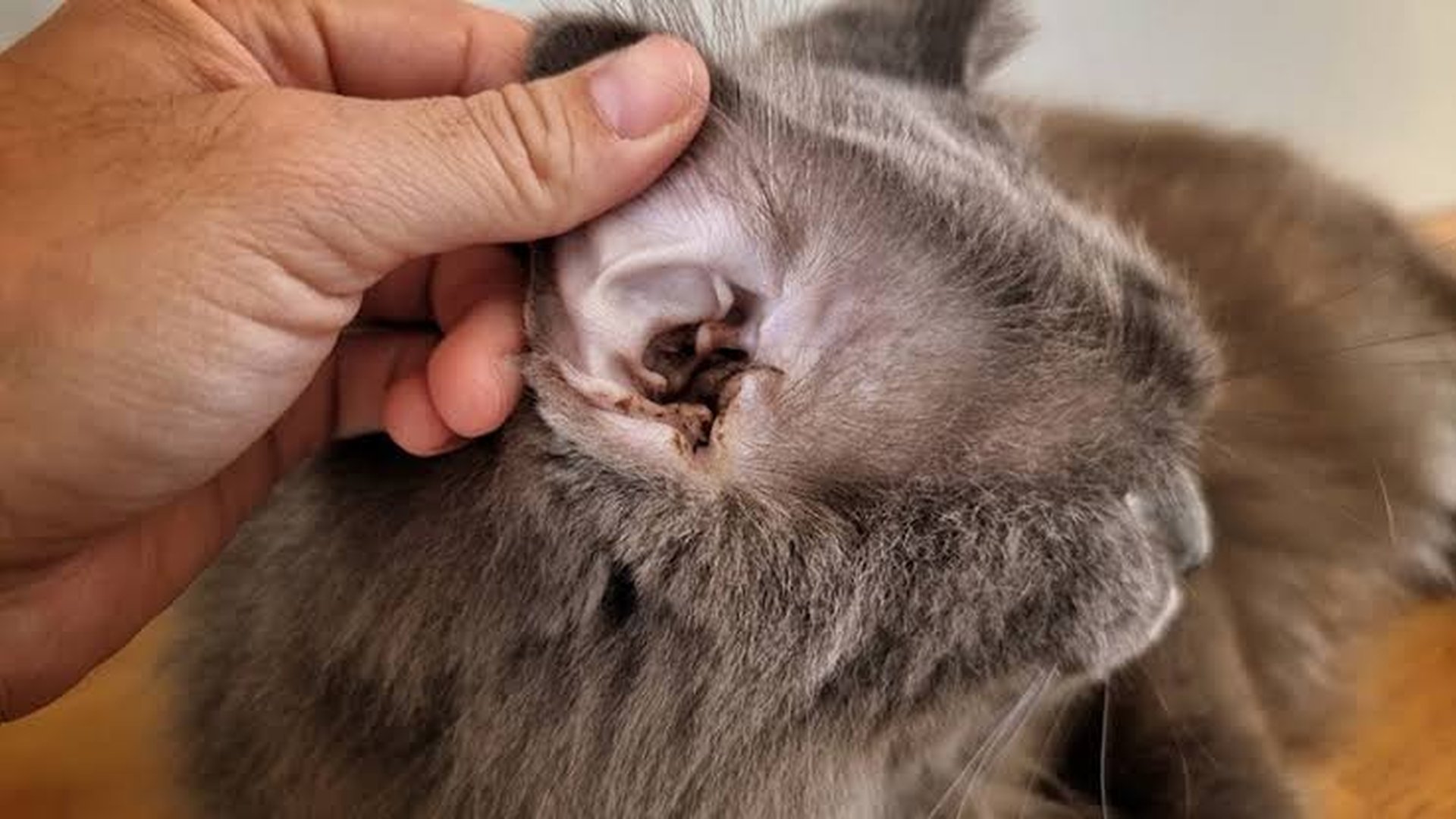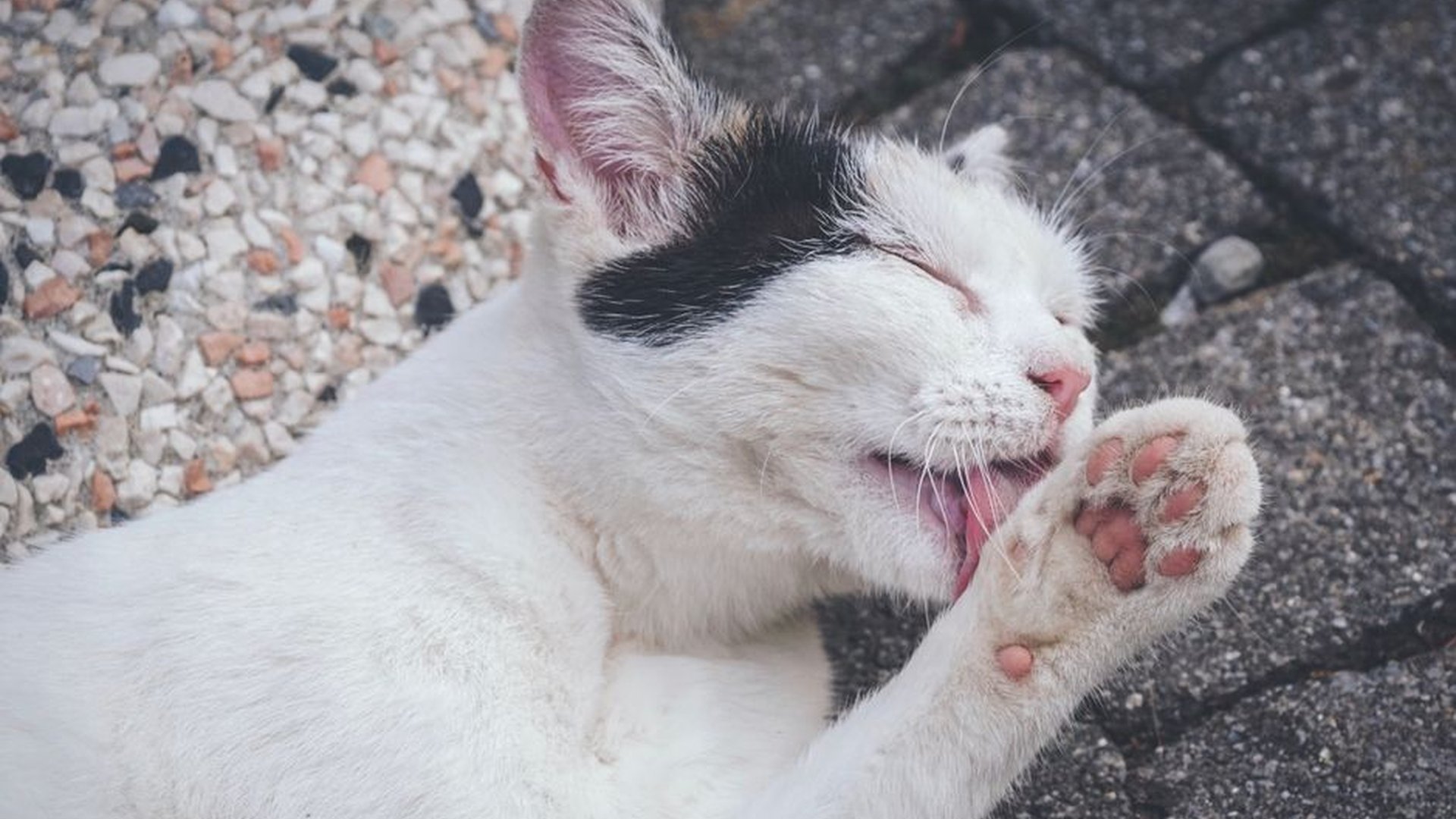
Stop Making These Errors in Pet Allergy Care is more than just a catchy phrase—it’s a wake-up call for millions of pet parents who don’t realize they’re making everyday decisions that actually make their pets’ allergies worse. Allergies in dogs and cats aren’t just annoying sniffles; they can lead to chronic skin infections, ear inflammation, and even worsened anxiety. Yet, despite growing awareness, many owners still fall into the same traps that delay recovery and increase suffering. This guide walks you through the most common mistakes in pet allergy care—and what to do instead. These are not theoretical risks. They’re real, recurring errors that have led to avoidable vet visits, expensive treatments, and heartbreaking pet distress. You’re not alone. But you can change it.
Skipping the Vet Instead of Getting a Diagnosis
One of the biggest mistakes people make is assuming their pet has allergies based on symptoms like scratching, sneezing, or ear discharge. While these signs do often point to allergies, they can also stem from infections, parasites, hormonal imbalances, or even stress. In one case from suburban Chicago, a 3-year-old Labrador named Max had constant ear scratching and red paws. His owner tried over-the-counter antihistamines, changed his diet to grain-free, and even started bathing him with oat-based shampoo—all without a vet visit. After three months of worsening symptoms, a vet finally ran blood tests and found Max had a severe flea allergy dermatitis. The solution wasn’t a special diet—it was flea prevention and anti-inflammatory medication. Without a proper diagnosis, you’re treating symptoms, not causes. Always start with a professional evaluation before making changes.
Overloading on Over-the-Counter Remedies Without Evidence
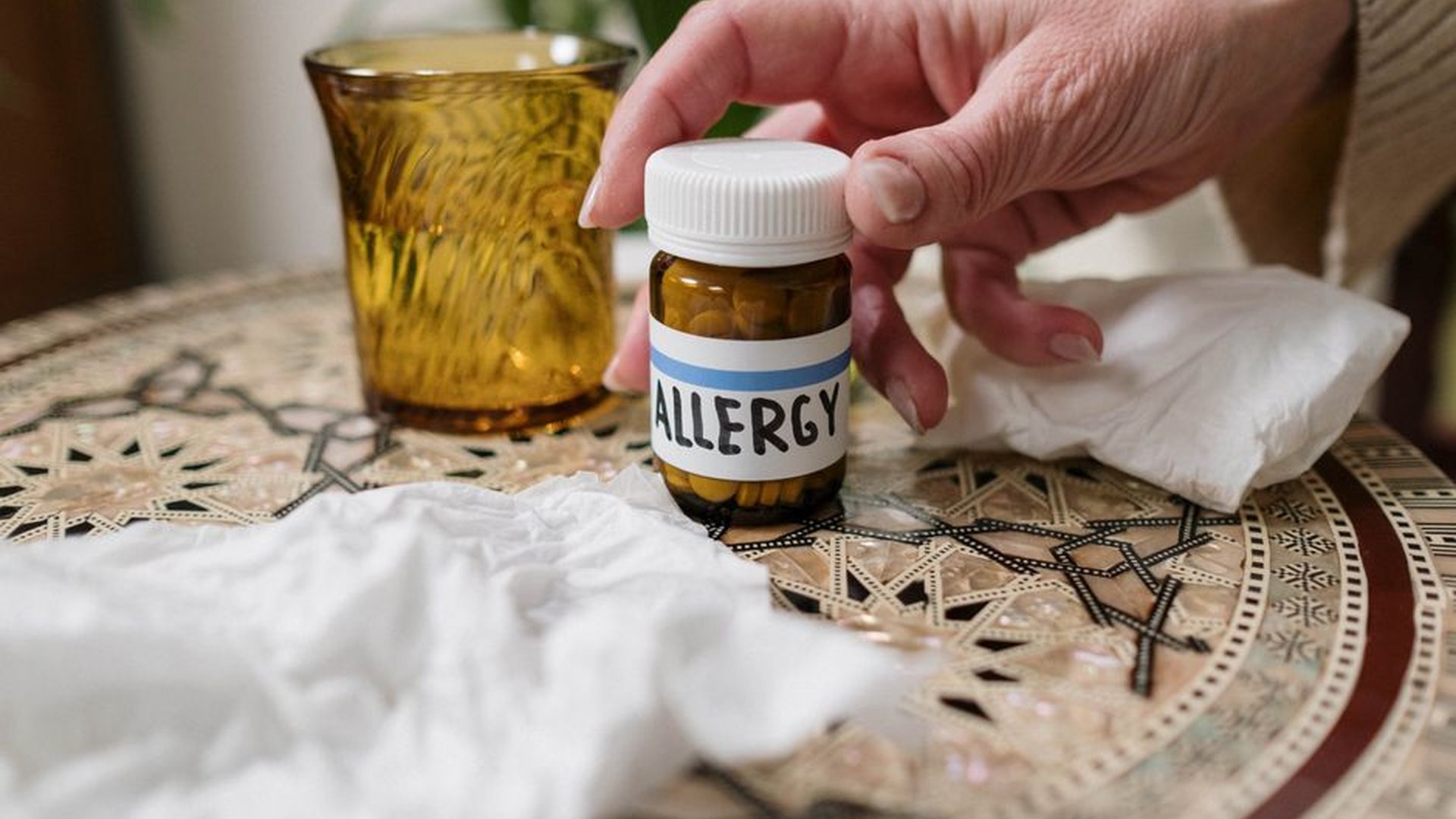
Another common error is relying too heavily on OTC solutions like antihistamines, fish oil supplements, or natural sprays. Many pet parents think, ‘If it helps a human, it must help my dog.’ But pets metabolize medications differently, and wrong doses can cause side effects. In Texas, a 7-year-old cat named Luna was given Benadryl every day for itchy skin. Her owner thought it was helping—until she started drooling, showing signs of lethargy, and actually developed a mild seizure. The vet confirmed it was an overdose. Meanwhile, unregulated herbal sprays marketed as ‘allergy relief’ often contain hidden irritants like essential oils or alcohol, which can worsen skin inflammation. Always consult a veterinarian before giving any supplement, even if it’s labeled as ‘natural’ or ‘pet-safe.’ Chart this rule: if it’s not FDA-approved for animals, proceed with caution.
Ignoring Environmental Triggers in Your Home
Not all allergens come from food. Many pets suffer from environmental allergies to dust mites, pollens, mold, or even laundry detergents. In a case from Portland, Oregon, a Persian cat named Mochi had recurring skin rashes that flared every winter. The owner assumed it was seasonal, but a vet noted a pattern tied to the family’s new scented laundry detergent. Switching to a fragrance-free detergent and using a HEPA air purifier dramatically improved Mochi’s condition. These triggers are often overlooked because they’re invisible. But they’re real. Common culprits include synthetic carpet fibers, dusty ventilation ducts, and even new furniture with off-gassing chemicals. A simple step is to wash your pet’s bedding weekly in hot water, vacuum using a HEPA-filter vacuum, and keep pet areas free of clutter. These small habits reduce allergen load and give your pet relief.

Misreading Food Labels and Believing ‘Grain-Free’ Means Allergy-Friendly
This mistake is widespread—and dangerous. Many owners believe that grain-free or limited-ingredient diets automatically help allergies. But not all allergies are to grains. In fact, protein sources like chicken, beef, or lamb are more common triggers. A West Coast owner adopted a rescue dog named Scout, who had chronic vomiting and skin redness. The owner switched him to a grain-free diet, assuming it would fix the problem. But the dog’s symptoms worsened. A food elimination trial later revealed that Scout was allergic to chicken. The dog had been eating a grain-free formula packed with chicken meal. This is a classic example: assuming a label protects you, when it might be the exact cause. Always work with your vet to design a proper elimination diet—not on your own. And remember, ‘all natural’ doesn’t mean ‘safe for your allergic pet.’ Read ingredients like a detective.

Delaying Treatment Until Symptoms Become Severe
The final and most emotionally costly mistake is waiting too long. Many owners think, ‘My dog just scratches a little—no big deal.’ But allergies often start mildly and escalate silently. A lab from Detroit followed 500 cats with chronic ear infections. Over 60% had undiagnosed allergies. By the time treatment began, many had developed secondary infections, requiring antibiotics and ear flushes. The longer you wait, the more damage occurs. Skin thickens, inflammation becomes chronic, and emotional stress increases. In one heartbreaking example, a Golden Retriever named Max stopped enjoying walks because his paws hurt. His owner thought he was just ‘getting old.’ But it was severe atopic dermatitis, which could have been treated earlier with allergy shots and anti-itch therapy. The care you delay today becomes the crisis you face tomorrow. Don’t wait. Act at the first sign of itch, sneeze, or swelling.
Stopping these errors isn’t about perfection. It’s about awareness. Every pet deserves to live without constant discomfort. With a vet’s guidance, smart choices, and a little vigilance, you can break the cycle of misdiagnosis, ineffective remedies, and avoidable suffering. Start today. Know your pet. Know your triggers. And most importantly—don’t guess. Test, treat, and trust science. Because the health of your beloved animal is not a mystery. It’s a responsibility—and a privilege. Remember: the best care begins not with a product, but with a question: ‘What does my pet really need?’