Why Treat Type Matters More Than You Think
When you reach into the bag of dog treats, it’s not just about flavor or cost. The texture—whether chewy or crispy—can significantly influence your dog’s digestion, dental health, and even behavior during training. Many pet parents assume all treats are interchangeable, but that’s far from true. A soft, chewy treat might seem more appealing, but it can lead to slower digestion and increased plaque buildup. Meanwhile, a crisp, crunchy snack may satisfy a dog’s natural instinct to bite and crunch, potentially reducing tartar formation. These differences aren’t just cosmetic—they impact your dog’s long-term well-being.
Consider a real-life example from a pet owner in Portland, Oregon. Her 4-year-old Golden Retriever, Max, was always eager for treats during obedience classes. But after a few weeks of using mostly soft, sticky treats, she noticed he was panting more during walks and had bad breath. A vet visit revealed mild gingivitis. Switching to a balanced mix of chewy and crispy treats, with a focus on crunchy options for dental support, helped improve Max’s oral hygiene and energy levels. This story isn’t rare—texture matters, and understanding it can change how you choose treats.
Chewy Treats: The Comfort Food of Canines
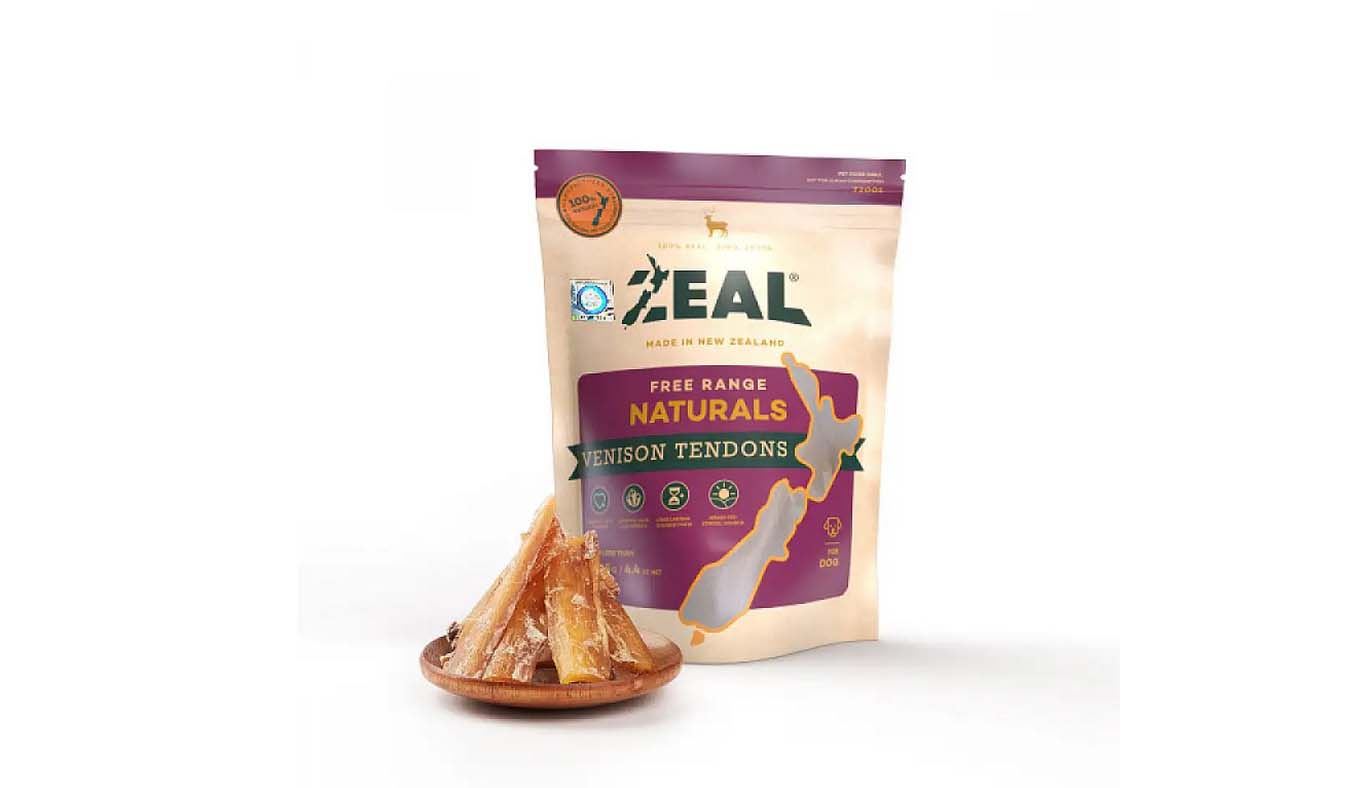
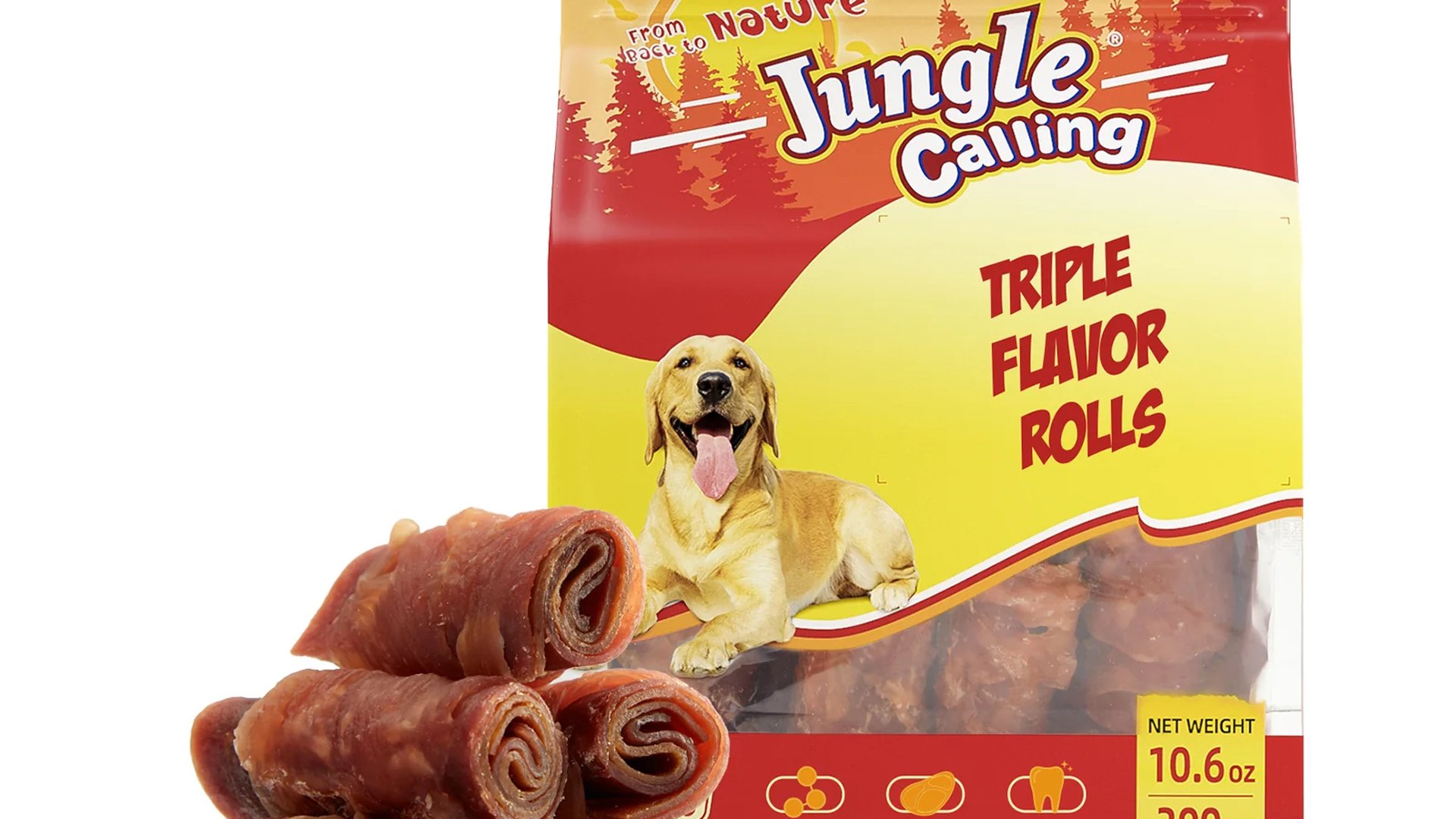
Soft, chewy treats are often the go-to for dogs with sensitive gums, older dogs, or those who prefer a gentle chew. These snacks mimic the natural texture of meat and natural chew materials, making them ideal for rewarding quick behaviors like sitting or staying. They’re also easier to break into small pieces, which is a plus for training sessions where timing and precision count.
A 2023 study published in the Journal of Veterinary Nutrition found that chewy treats made with real meat and natural binders (like egg or oat flour) were more effective in reducing stress behaviors during training compared to brittle alternatives. The study tracked 120 dogs across 10 training centers in California. Dogs given chewy treats showed a 27% higher retention rate in basic commands, likely because the softer texture encouraged slower, more mindful eating—reducing anxiety and promoting focus.
However, not all chewy treats are created equal. Some brands use excessive starches and fillers to achieve a soft consistency, which can lead to spikes in blood sugar and contribute to obesity. The ingredient list matters: look for treats with meat as the first ingredient, and avoid those listing corn, soy, or artificial flavors.
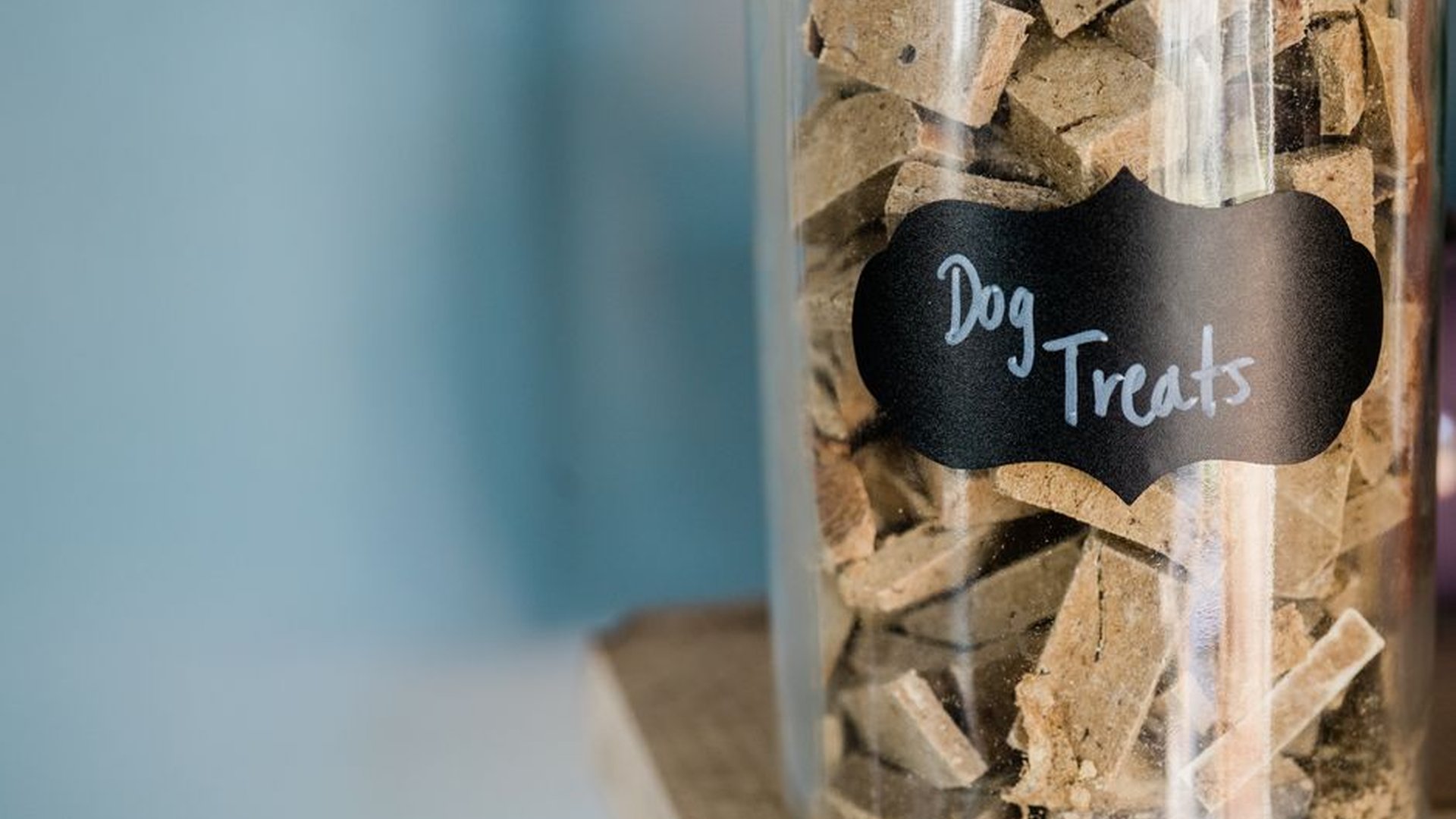
Crispy Treats: Crunch for a Healthy Mouth
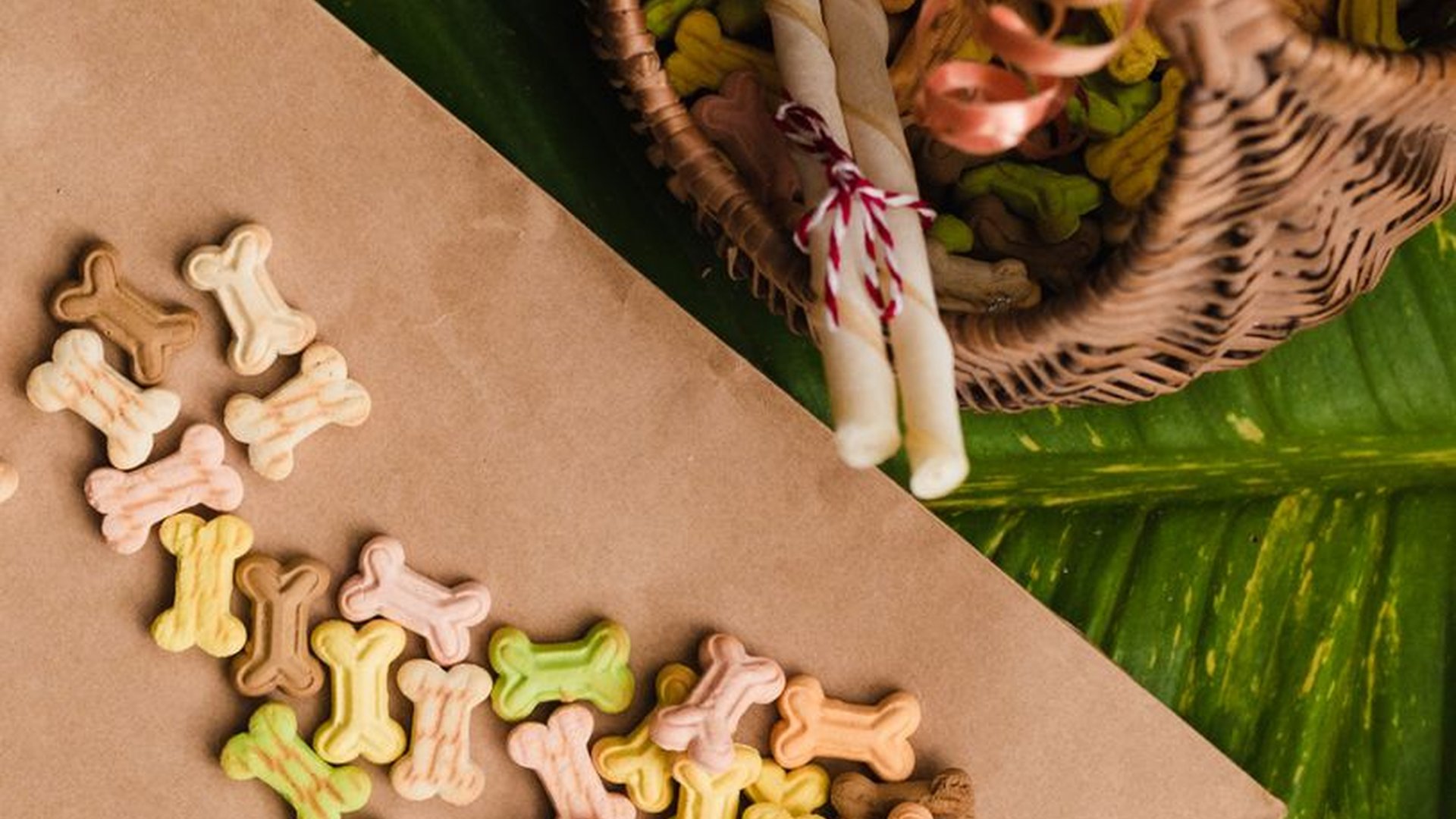
If you’ve ever watched your dog aggressively chew on a bone or a hard biscuit, you’re witnessing a deeply rooted instinct. Dogs aren’t just made to eat—they’re built to chew. That’s why crispy treats play a vital role in oral health. The act of crunching on a hard snack helps scrape plaque off teeth, reducing the risk of periodontal disease—a condition affecting up to 85% of dogs over age 3, according to the American Veterinary Medical Association.
Take the case of Luna, a 7-year-old Beagle from Austin, Texas. Her owner had been feeding her mostly soft treats for years. After a routine dental cleaning, the vet revealed advanced tartar buildup. Once Luna’s diet was adjusted to include more crisp, low-sugar options like baked chicken jerky and grain-free kibble-shaped snacks, her breath improved within three weeks, and a follow-up visit showed a 40% reduction in plaque. These results aren’t anecdotal—they’re backed by veterinary research on mechanical cleaning in dogs.
Crispy treats also tend to have lower moisture content, making them less likely to stick to teeth or gums. This means fewer food particles remain in the mouth, reducing bacterial growth. But caution: not all crunchy treats are safe. Some brittle cookies shatter into tiny pieces, which can be a choking hazard, especially for small or fast-eating breeds. Always choose treats that are firm but not overly fragile.

Choosing the Right Mix: A Balanced Approach
The best strategy isn’t to choose one over the other—it’s to use both, thoughtfully. A balanced approach means pairing chewy treats for training and rewarding calm behavior, while saving crispy ones for dental health and occasional long-lasting chew sessions.
Think of it like a human meal plan: you’d never eat only soft pasta or only crunchy salad every day. Your dog needs variety too. For example, use chewy treats during short training rounds to keep focus and reduce mealtime anxiety. Reserve crispy bits for post-walk rewards or use them as a dental hygiene tool when your dog is calm and supervised.
A practical tip from a board-certified veterinary nutritionist: rotate treat types every 2–4 weeks. This prevents habituation, keeps treats exciting, and supports overall digestive balance. Dogs thrive on routine, but not at the cost of adaptability.

What to Look for When Buying Dog Treats
Not all treats labeled “chewy” or “crispy” deliver on their promise. Always check the ingredient list and packaging details. For chewy treats, look for: real meat (chicken, beef, salmon), minimal fillers, and no artificial sweeteners. For crispy snacks, ensure they are made from whole ingredients, are low in sugar, and have a consistent texture—not flaky or crumbling.
Certifications matter too. Treats with the AAFCO (Association of American Feed Control Officials) seal indicate they meet basic nutritional standards. Look for brands that use human-grade ingredients and third-party lab testing. Avoid products made in facilities not inspected for animal feed safety.
Finally, monitor your dog’s response. If your dog gags on a treat, has loose stools after eating, or avoids it entirely, it might not suit their digestive system or taste preference. Every dog is different—what works for Max in Portland might not work for Luna in Austin. Pay attention to behavior, breath, and energy levels, not just the treat’s texture.
Final Thoughts: Your Dog’s Health Is in Your Hands
Choosing between chewy and crispy treats isn’t about picking a winner. It’s about understanding what your dog needs, when, and why. Soft, chewy treats hold a special place in training and comfort. Crispy ones deserve a front-row seat in dental care and mental stimulation. The right balance isn’t just smart—it’s kind. By making informed choices, you’re not just giving a treat; you’re investing in your dog’s daily life, long-term health, and joyful companionship. So next time you reach for a snack, ask yourself: what does Max or Luna really need today? That simple question might just change everything.