How Treats Can Sneak Up on Your Dog’s Weight Loss Plan
You’ve switched to a weight control dog food, measured every meal, and your pup is already showing signs of progress—less panting, more energy, maybe even a waistline that’s starting to define itself. You’re proud, and rightly so. But then comes the pleasure moment: you hand over a treat during training, or your dog stares at you with those soulful eyes while you’re eating dinner. And just like that, the little bite is gone. It feels innocent. But here’s the truth: a single treat might not seem like much—but over time, it can quietly unravel your dog’s entire weight loss plan.
Dogs don’t have a built-in calorie counter. They don’t know the difference between a high-fat chicken liver treat and a low-calorie green bean. But you do. And that’s where the real challenge lies. Many commercial treats pack more calories per gram than full meals. A single 5-gram treat can contain 15 to 20 calories—equal to 10% of your dog’s daily intake, depending on size and goal. That’s not a minor slip. That’s a silent energy surplus.
Consider this: a 50-pound dog on a 1200-calorie daily diet needs to stay under that number to lose weight. If you give two 20-calorie treats a day, that’s 40 extra calories—enough to stop weight loss in its tracks for days. And if those treats are made with chicken fat, corn syrup, or artificial flavors? The damage goes beyond calories. They can cause digestive upset, worsen insulin resistance, or displace nutrition from high-quality ingredients in your dog’s main food.
Why Your Dog’s Treats Aren’t Just Snacks—They’re Fuel
Think of treats not as rewards, but as part of your dog’s daily fuel budget. Just like you’d track your daily caffeine intake, you need to track your dog’s snack intake. Treats aren’t optional decorations—they’re integral to their energy balance, and that balance determines weight.
Take Mary, a 32-year-old teacher from Portland, Oregon. She had her 12-year-old Border Collie, Max, on a vet-prescribed weight loss program. After three weeks, Max lost two pounds—progress! But after a month, the scale stopped moving. Mary was baffled. Then she looked closely at her habit: every time she sat down to read, Max would lean in and nudge her hand. And she’d give him one of those soft, chewy treats he loved—three times a day. That was 60 extra calories, most from wheat flour and chicken fat. Once she replaced them with air-dried beef strips (10 calories per piece), Max began losing again. The difference wasn’t the food—it was the mindset.
The same pattern repeats across many dog owners. You give a treat for sitting, for calming down, for simply being adorable. That’s good behavior reinforcement. But you’re not training your dog to think, “I only get this when I earn it.” You’re training your dog to expect calories for emotional or social reasons. That creates a psychological fuel gap—your dog feels rewarded, but the body doesn’t know it’s a surplus.
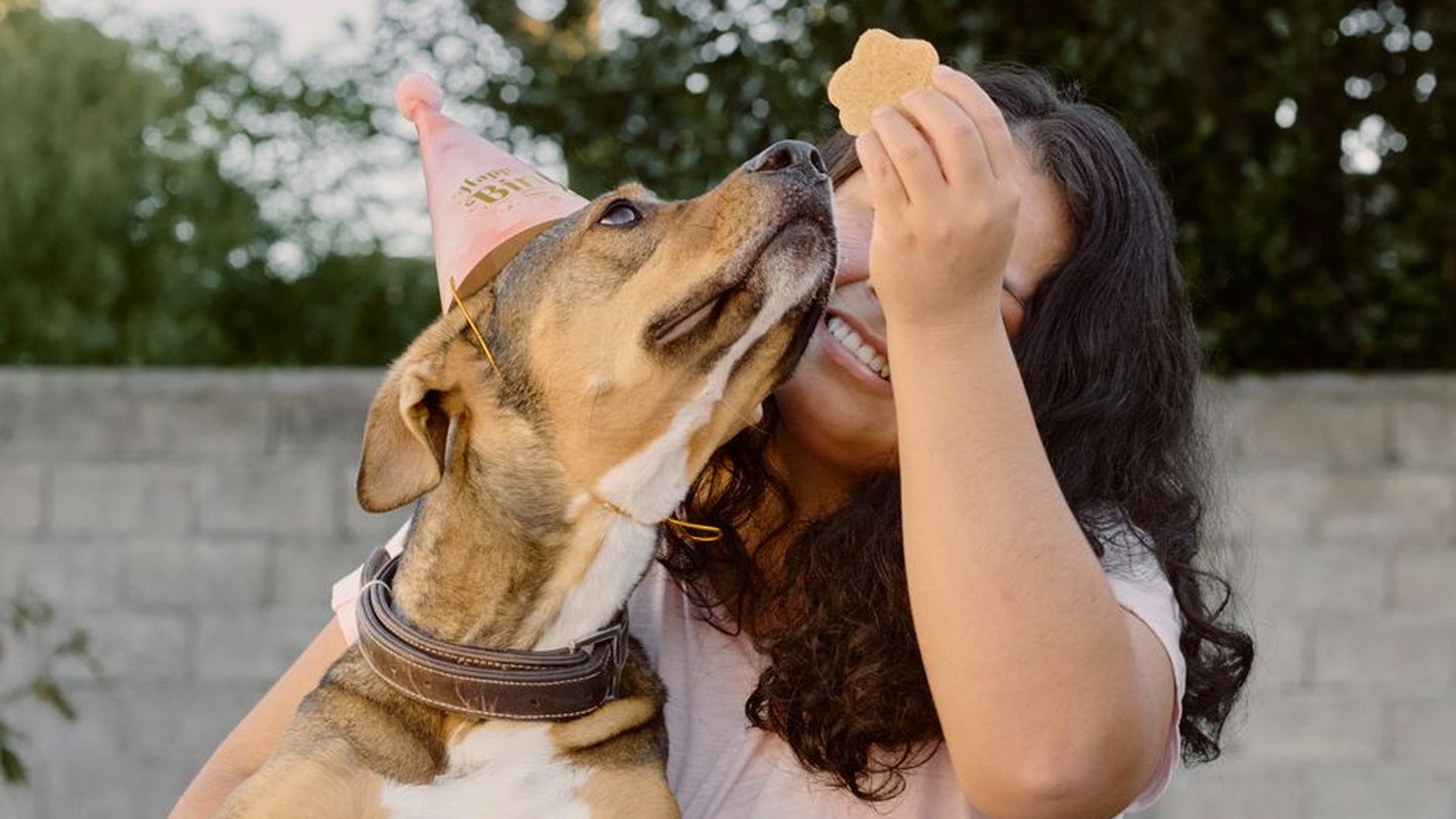
Choosing the Right Treats for Weight Control
Not all treats are created equal. The worst offenders are soft, chewy ones made with fillers, sugars, and preservatives. These create a false sense of satisfaction while packing in invisible calories. Instead, look for treats that meet three standards: low-calorie, nutritionally balanced, and satisfying.
Air-dried or freeze-dried options are ideal. These are made by removing water from meat, which preserves protein and cuts calories. For example, an 80% lean beef strip that’s air-dried can provide 10–12 calories per 3-gram piece—half the calories of a typical commercial treat, with twice the protein. Some brands even offer single-ingredient options like freeze-dried liver or salmon. These are not only low in calories, but they are natural, easy to digest, and often more palatable than bland kibble.
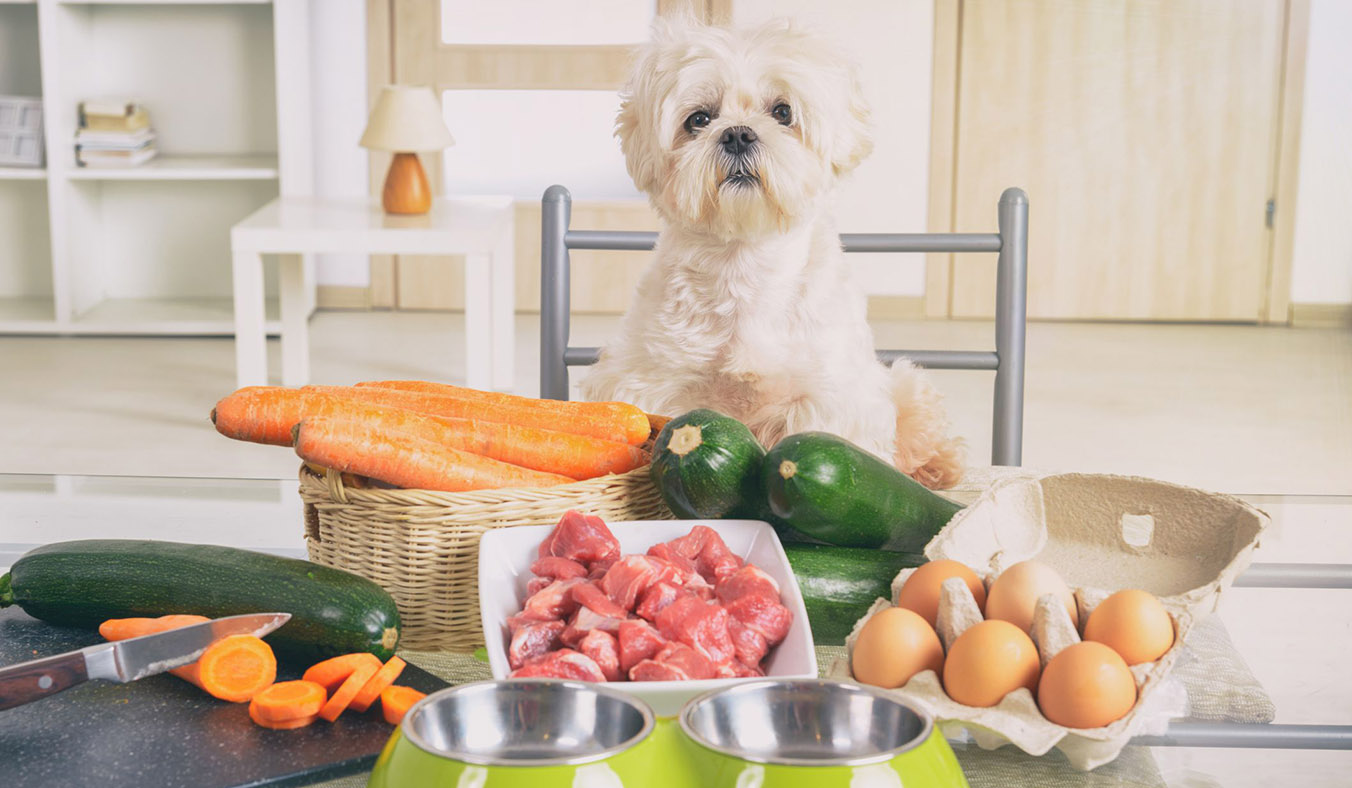
If you prefer homemade solutions, you can make simple, vet-approved treats. Try baking small pieces of unsalted, low-fat turkey breast at 200°F for 2 hours. Let them cool, then break into bite-sized pieces. Each piece has around 8 calories and 1 gram of protein. Portion into a labeled jar so you don’t accidentally overfeed.
Avoid treats labeled as “healthy” or “natural” without clear calorie content. Just because something says “all-natural” doesn’t mean it’s safe for a dog on a weight loss journey. Check the nutritional panel. Aim for less than 10 calories per piece, and make sure protein is the first ingredient—not corn, soy, or artificial flavorings.

How to Use Treats Without Breaking the Bank—or the Diet
One common mistake: thinking you need to give up treats entirely. That’s not only unrealistic—it’s counterproductive. Rewards reinforce good behavior and keep training effective. But you must use them strategically.
Set a daily treat budget. For a small dog (under 25 lbs), stay under 20–25 calories per day. For medium-sized dogs (25–60 lbs), 30–40 calories. Large dogs (60+ lbs) can have up to 50 calories as a snack. Keep a log or use a treat calculator app. Many weight control dog food brands include a built-in treat guide.
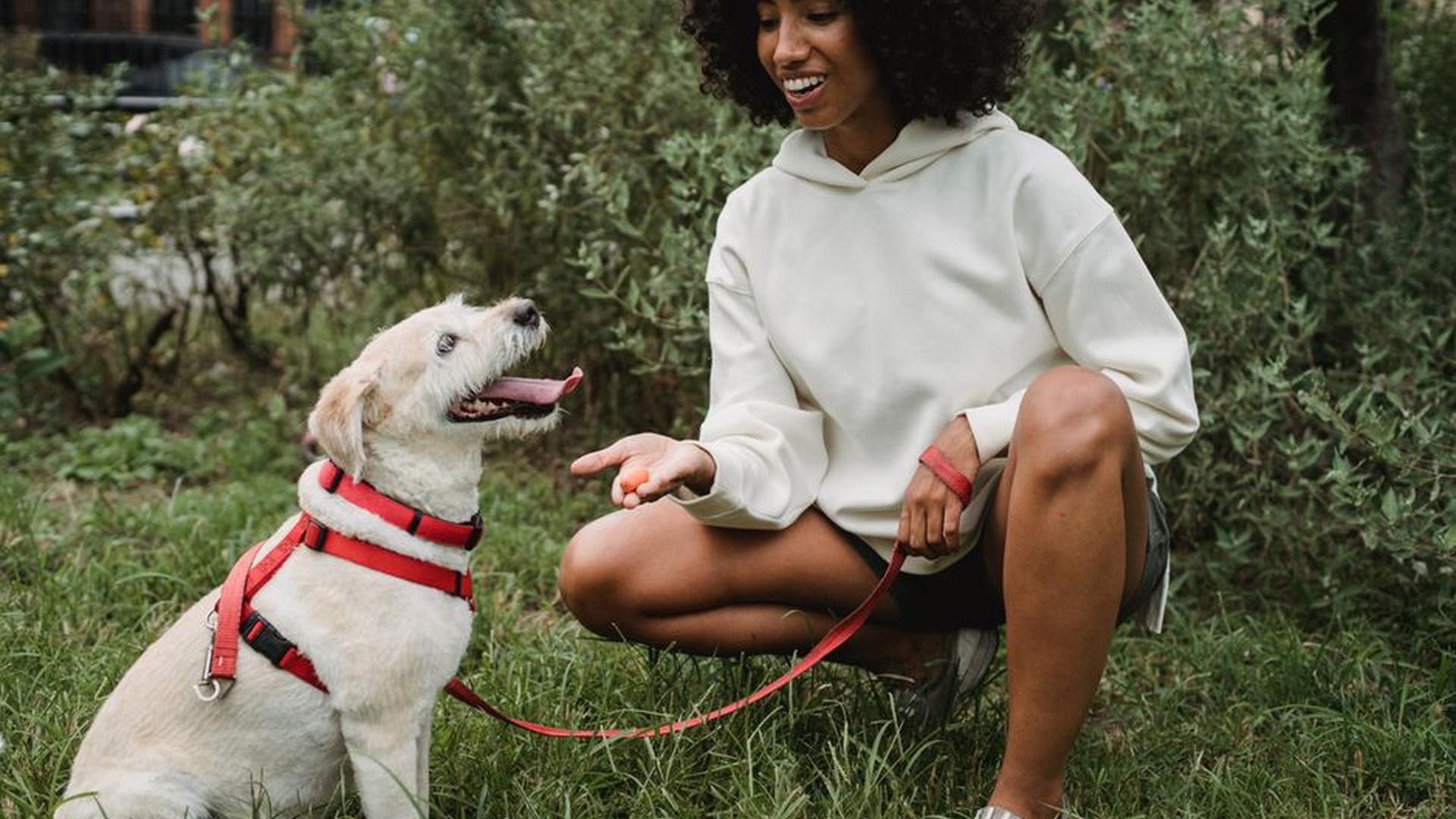
Another trick: swap treats for play. After a 10-minute walk, play fetch with a tennis ball. The energy burn isn’t just physical—it’s mental. And your dog still feels rewarded. You’re using movement as a form of emotional and behavioral reinforcement.
You can also train your dog to wait before getting a treat. Use a “wait” command. Hold the treat in front, say “wait,” and wait 3 to 5 seconds. That builds self-control, delays gratification, and puts your dog in a more mindful state. Over time, they’ll learn that patience leads to reward—and that reward is more satisfying when earned.

When in Doubt, Ask Your Vet—And Track the Evidence
Weight control isn’t guesswork. It’s a science. If you’re unsure about which treats to choose, talk to your vet. Many clinics offer free downloadable treat guides tailored to different dog weights and health conditions. Use them as a starting point.
But don’t stop there. Track. Every week, record: daily food intake, treat count, daily activity, and weight. Use a simple Excel sheet or a pet health app. Compare trends over 4 to 6 weeks. If the weight loss stalls, look at the treat pattern. Were there more treats during weekend outings? Did you use a different brand while traveling?
Remember, your dog isn’t being difficult. They’re not trying to sabotage you. They’re responding to your choices. Your consistency in managing treats determines whether you win the battle or lose it quietly. The treat you think is harmless today? It might be the reason your dog hasn’t lost a pound in a month.
You already know what to do. Choose wisely. Measure carefully. Reward with purpose. Your dog’s health—and their happy, healthy life—depends on it.