Why Is My Dog Drinking More Water Than Usual?
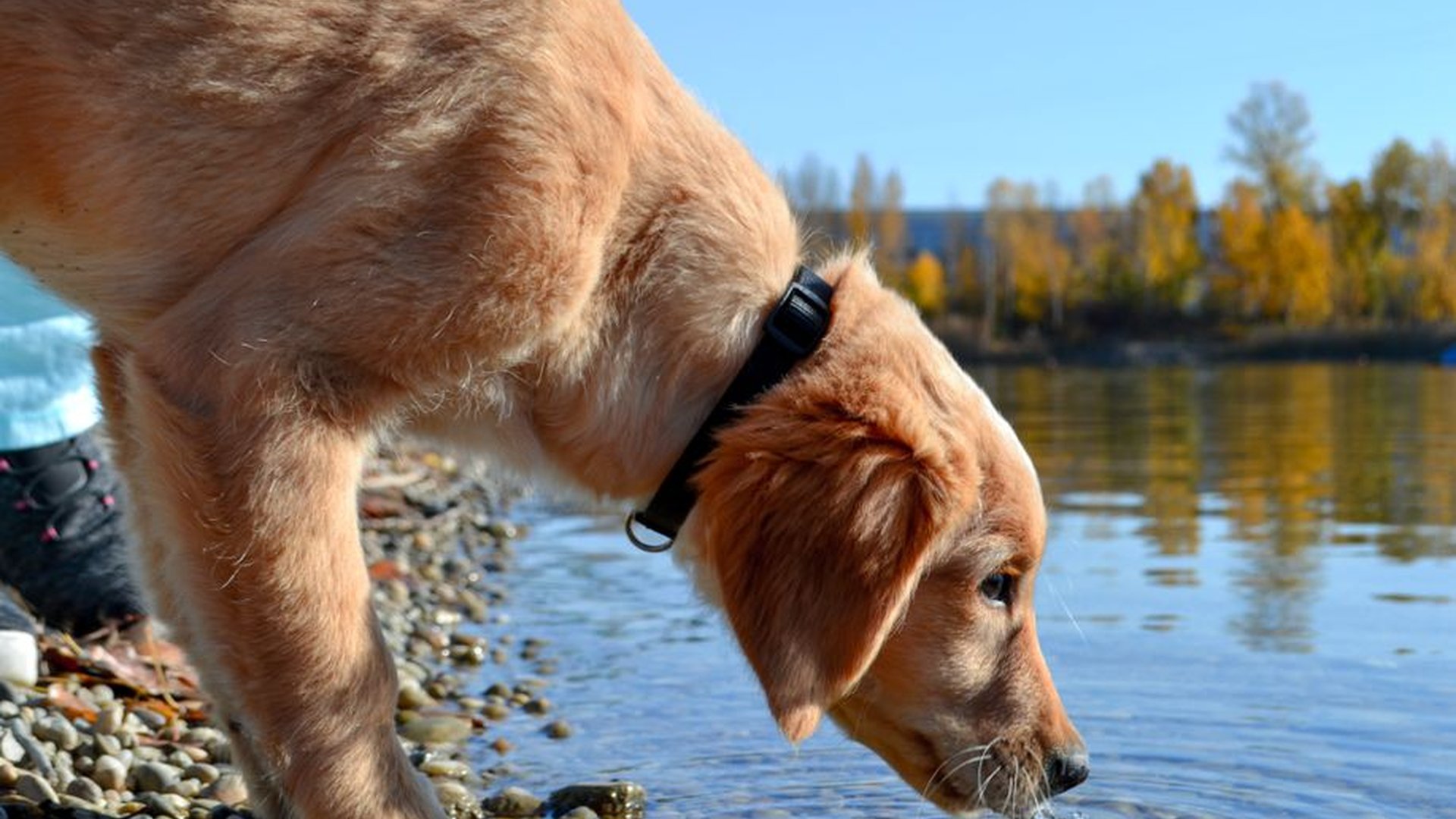
It happened on a quiet Tuesday morning. Sarah, a 34-year-old teacher from Austin, Texas, noticed her 7-year-old golden retriever, Max, had emptied his water bowl twice in under an hour. Not just a sip—two full refills across a few hours. She paused, mid-pour, as the familiar pattern set in: a dog who used to drink only once a day now finishing his bowl every 2–3 hours. That’s when the worry kicked in. “Is Max okay? Is he sick?” she wondered. Her story isn’t rare. Many dog owners suddenly notice their pets drinking far more than normal—and for good reason. Increased water intake isn’t just about thirst. It’s often a silent signal from your dog’s body, pointing to an internal imbalance. What’s really behind this behavior? And when should you act?
Normal vs. Abnormal Water Intake
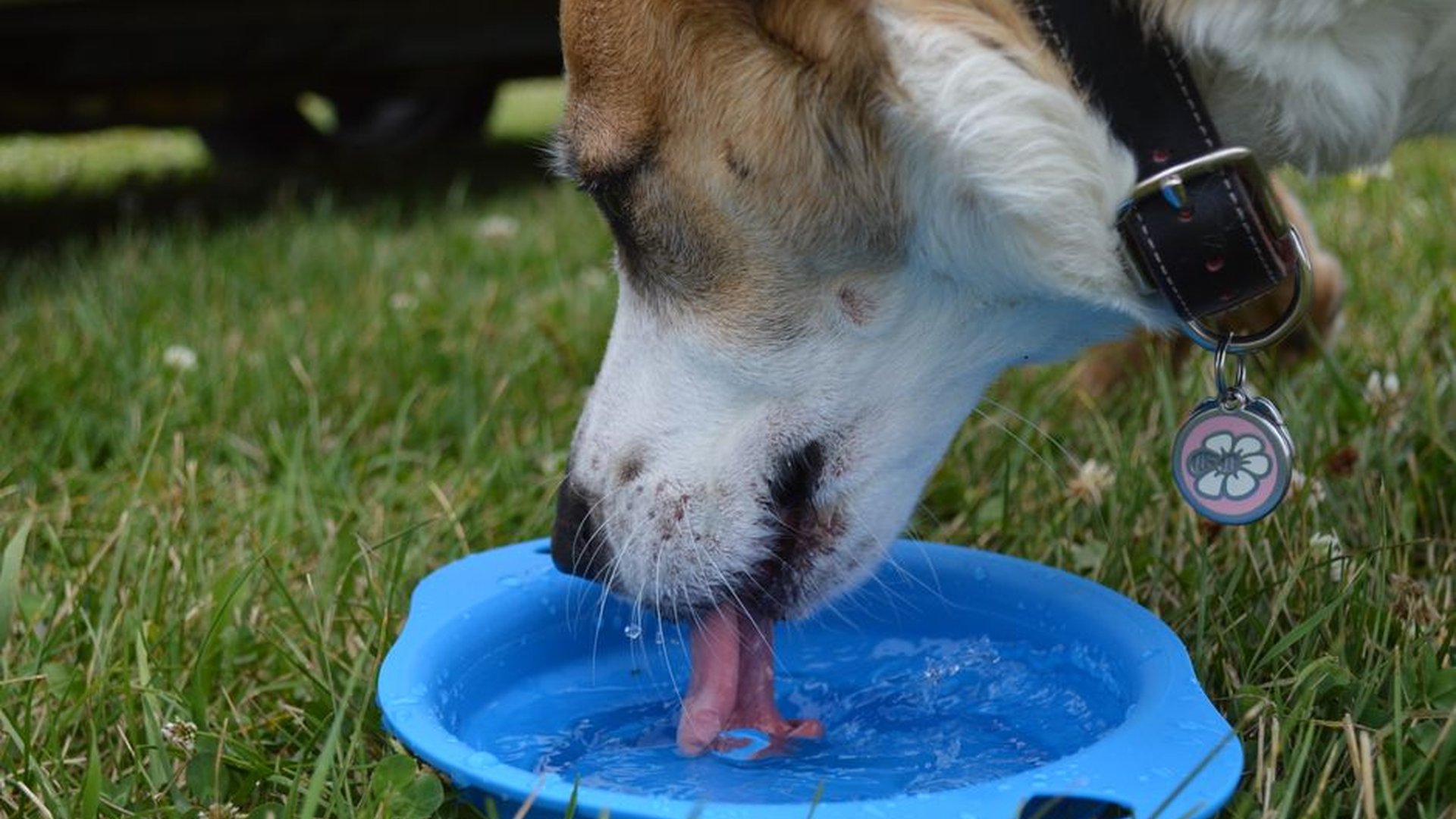
A healthy adult dog typically drinks about 1 ounce of water per pound of body weight daily. For a 50-pound dog, that’s roughly 50 ounces—or around 6 cups. This amount can vary slightly based on activity level, weather, and diet. If Max weighs 60 pounds, he should drink about 60 ounces a day. But if he’s now consuming 100–120 ounces, that’s a red flag. The human body might not notice such a gap, but a dog’s system often does—especially when it’s under stress.
Imagine a hot afternoon in Phoenix, Arizona. A family dog, a 12-year-old Dachshund named Luna, drinks six times more water than usual. Her owner, an engineer in his late 40s, notices the pattern during a hot spell. But even after moving her indoors, reducing sun exposure, and offering ice cubes, the behavior continues. That’s not just heat-related thirst. It’s a physiological shift. The body doesn’t normally increase hydration needs without a reason.
Top Medical Causes of Excessive Drinking
There’s no single cause behind a dog’s sudden increase in water intake. Some are serious, others are manageable. Here’s what you should know.
Diabetes mellitus is one of the most common culprits. When blood sugar rises too high, the kidneys work overtime to filter glucose. Excess sugar spills into the urine, pulling water with it—many dogs end up peeing more and drinking more. Signs include constant hunger, weight loss despite eating, and lethargy. In a case from a clinic in Portland, Oregon, a 9-year-old Labrador named Buster lost 10 pounds in six weeks. His owner thought he was just getting older. But blood tests confirmed diabetes. Early diagnosis and insulin therapy saved him.
Kidney disease is another frequent trigger. As kidneys lose function, they can’t concentrate urine properly. Dogs then need to drink more to flush out waste. This explains why older dogs, like a 13-year-old Poodle in Seattle, start drinking constantly. Their urine becomes pale and diluted, and they often urinate more frequently—sometimes in front of the owner, something they’d never done before.
Urinary tract infections (UTIs) are more common than you think. A dog with a bladder infection might drink more because the body tries to flush bacteria out. Often, owners miss this until the dog starts urinating frequently, in small amounts, or even with pain. One owner in Denver, Colorado, noticed her 6-year-old Beagle whining during potty breaks. The vet diagnosed a UTI. After antibiotics, water intake returned to normal in a week.
Other causes include Cushing’s disease, hyperthyroidism, and even certain medications like steroids. Dogs on prednisone, for instance, often drink more—just like people do. But what matters most isn’t just the drinking. It’s what comes with it: increased urination, changes in appetite, or energy levels.
When to See a Veterinarian
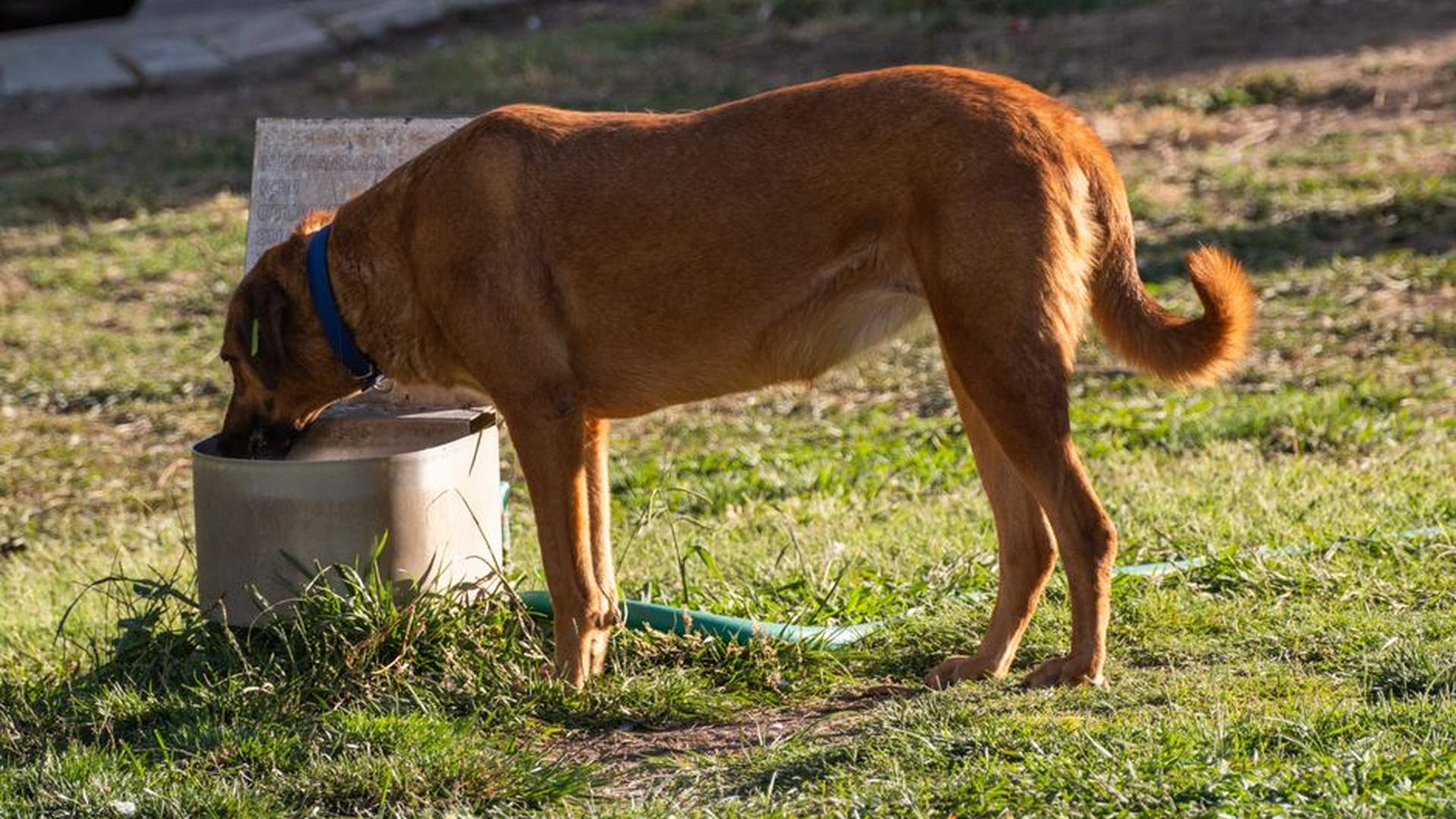
Not every increase in water intake means illness. Some dogs drink more after intense exercise, on hot days, or when fed dry kibble. But if the pattern persists for more than 48 hours, or if your dog shows any of these signs, it’s time to call your vet:
– Urinating every 1–2 hours, especially indoors
– Unexplained weight loss or increase in appetite
– Lethargy, vomiting, or diarrhea
– Cloudy or bloody urine
A real-life example comes from a suburban neighborhood in Raleigh, North Carolina. A 5-year-old German Shepherd named Leo started drinking nonstop after a dinner of leftover chicken. His owner assumed it was from the salty meat. But three days later, Leo was collapsing during walks. A blood test revealed elevated glucose levels. It was early-stage diabetes. Thanks to prompt care, Leo is now on a diet and insulin, living a full, active life.
Don’t wait for symptoms to worsen. Early detection makes a huge difference. A simple urine test and blood panel can uncover what’s going on—before irreversible damage occurs.
What Your Vet Will Check
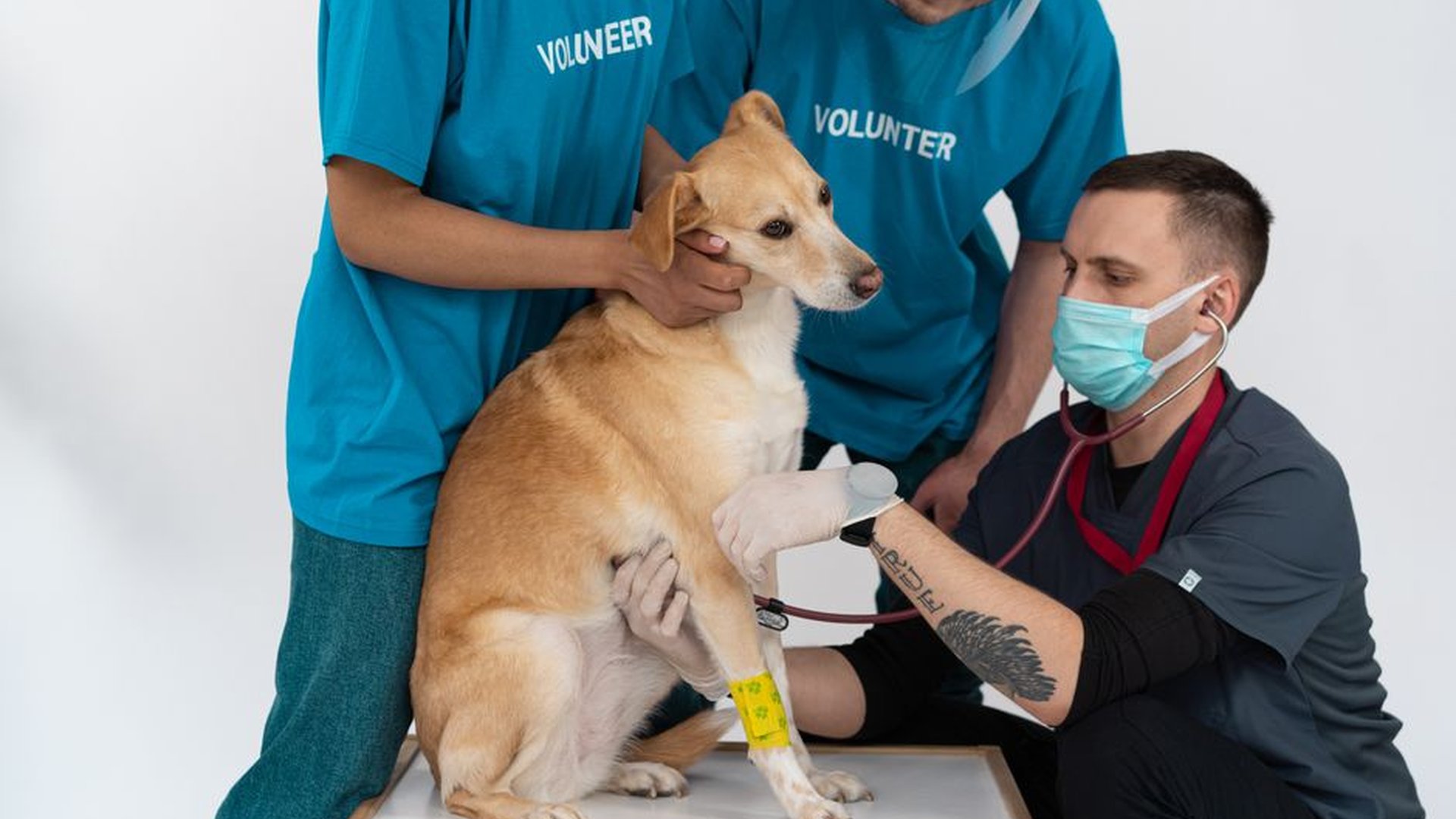
When you visit a vet, expect a thorough check. First, they’ll ask questions: How long has the drinking increased? Any changes in food, activity, or environment? Then, a physical exam to assess hydration, check for swelling, or detect abdominal pain.
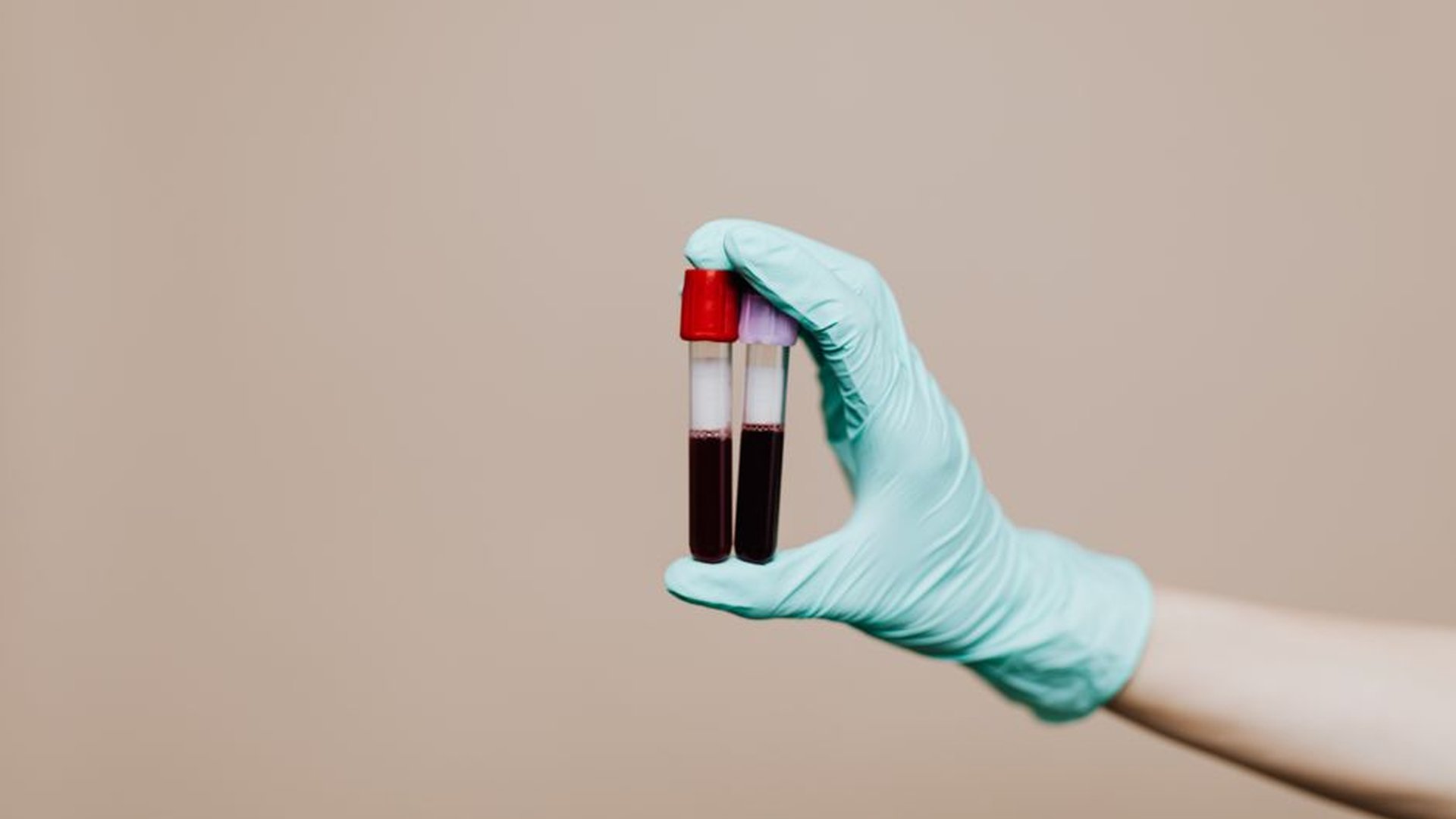
Next, lab work. A urine sample checks for glucose, protein, or signs of infection. Blood tests measure glucose, kidney enzymes, and hormone levels. If Cushing’s disease is suspected, a blood test for cortisol levels will follow.
In some cases, imaging like an ultrasound may be needed—especially if kidney stones or a tumor is suspected. But most cases are caught early with basic diagnostics.
Practical Steps for Dog Owners
If your dog drinks more than usual, here’s what to do:
1. **Track intake and output**. Use a measuring cup to record how much water your dog drinks daily. Note how many times he or she urinates. Keep a log for 48 hours.
2. **Monitor behavior and diet**. Have you changed food? Added treats? Are there signs of nausea, trembling, or confusion?
3. **Avoid self-diagnosis**. Just because a dog drinks more after a walk doesn’t mean it’s normal. Don’t assume it’s “just thirst.” When in doubt, get it checked.
4. **Schedule a vet visit**. Even if your dog seems happy, a vet visit is not a luxury—it’s preventative care. The cost of a simple test is far less than treating advanced diabetes or kidney failure.
Most importantly, don’t ignore changes. Your dog can’t tell you they feel unwell. But they do tell you through behavior. Increased drinking is a language of distress. Listen closely.
Your dog’s health isn’t just about food and walks. It’s about listening to the small signals—like that empty water bowl, the sticky paws on the kitchen floor, the way they pause during potty breaks. These aren’t just habits. They’re clues. And every dog deserves to live a long, healthy, and hydrated life.
Why Is My Dog Drinking More Water Than Usual? Because sometimes, the answer isn’t just water. It’s love, attention, and action.