Don’t Overlook These Pain Signs in Dogs
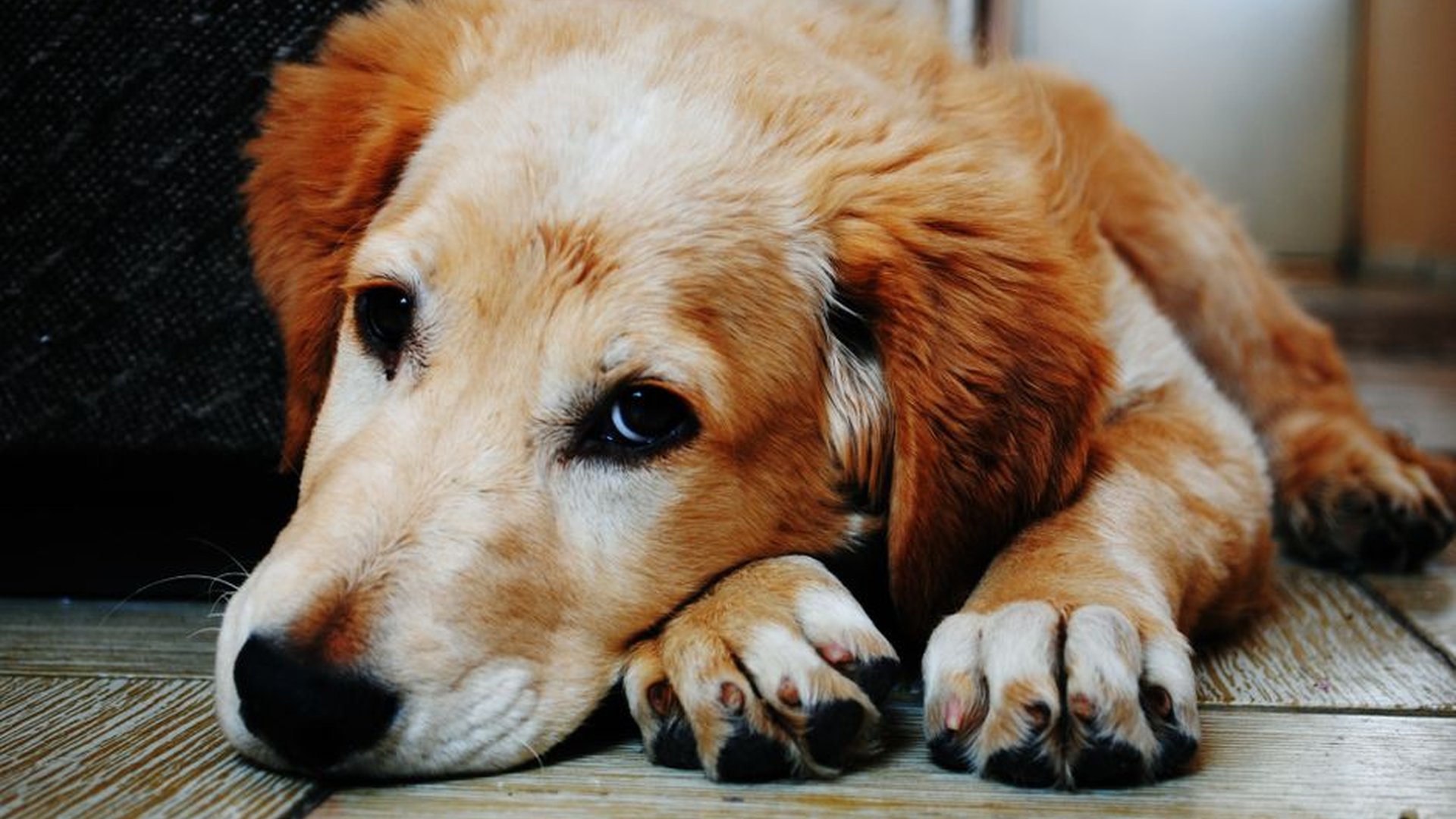
You walk into the living room and your dog, who usually greets you with a wagging tail and a leap, just looks up with tired eyes. They don’t jump. They don’t lick your hand. They don’t even try to get their favorite toy. You might think they’re just tired. But what if they’re not tired—they’re hurting?
It’s a common mistake. Dogs don’t complain like people do. They don’t say, ‘Hey, my hip hurts.’ Instead, they mask pain with quiet endurance. That’s why so many owners miss the early warning signs—until the condition worsens or becomes chronic.
Pain in dogs isn’t always obvious. It’s often hidden in small shifts in behavior, posture, or routine. In fact, one study found that over 70% of dogs with arthritis show no visible limping but still experience discomfort. That means if you only watch for limping or whining, you’re likely missing half the story.
Let’s look at five subtle yet serious pain signs every dog owner should know—before the pain becomes irreversible.
Quiet Withdrawal: The Silent Signal
A few years ago, Sarah from Portland noticed something strange about her 9-year-old Golden Retriever, Max. He used to lie on the couch and nudge her hand with his nose every time she sat down. Now, he just stays curled on the floor in the corner—away from the family, away from attention.
She thought he might be sad. She tried treats, toys, even a new dog bed. Nothing worked.
It wasn’t until she took him to the vet for a routine check-up that they discovered Max had advanced hip dysplasia. The pain was constant, but he had learned to hide it by isolating himself. He wasn’t being lazy—he was protecting his body.
A dog in pain often withdraws. They sleep more. They avoid being touched. They stop initiating play. They don’t want to be handled, not because they don’t love you—but because movement causes discomfort. If your dog starts avoiding the family, hiding, or lying away from you, this isn’t just behavioral. It’s a cry for help.
Don’t assume laziness. Look closer. Ask: When did this start? Is it linked to movement, cold weather, or changes in routine? These questions can help you spot pain before it becomes severe.
Changes in Grooming and Body Language
Dogs are naturally clean animals. They lick their paws, groom their fur, and adjust their posture regularly. But when pain sets in, these habits often change—and that’s a red flag.
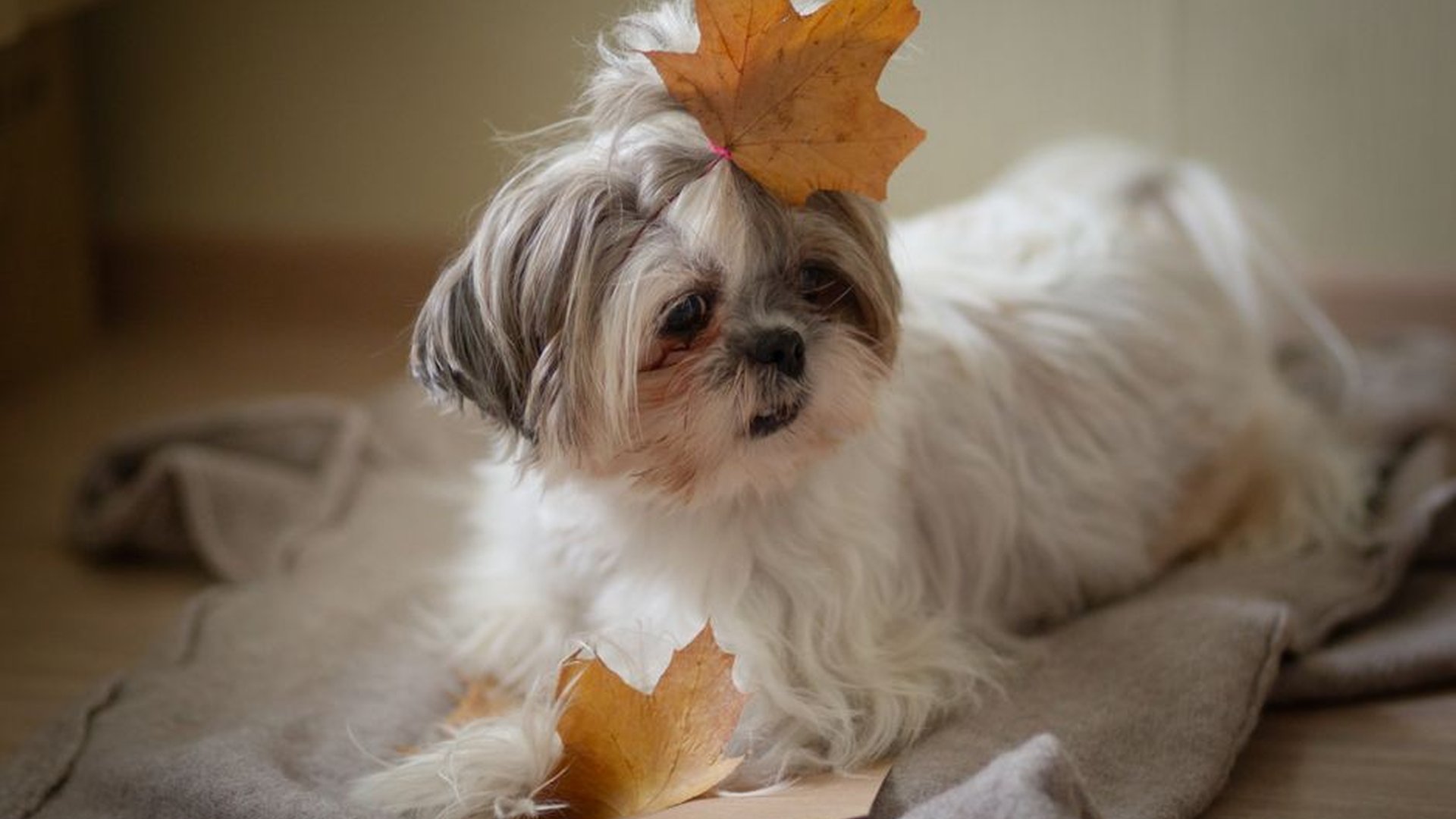
Take 7-year-old Bella, a Shih Tzu from Chicago. Her owner, Maria, noticed she wasn’t licking her hind legs anymore—especially not after walks. At first, she thought Bella had just stopped caring about her appearance. But after a vet visit, they discovered a cyst on her right hip, causing sharp pain every time she stepped down.
Grooming changes don’t always mean neglect. In fact, dogs in pain often stop grooming a certain area because it hurts to reach it. They might avoid licking a sore paw or won’t roll over to clean their back legs. You might even notice they’re less active in their daily self-cleaning routine.
Pay attention to body language. Does your dog stiffen when you touch a certain spot? Do they flinch when you raise their leg? Does their tail stay low or tucked? These small gestures are not rude—they’re signals. They’re saying, ‘Please don’t touch me here. It hurts.’
Appetite Shifts: More Than Just Hunger
It’s late afternoon. You open the food bag. Your dog’s ears perk up. But they only sniff once and walk away. Or worse—they eat, but only half the meal. You think, ‘Oh, maybe they’re full’ or ‘Maybe they don’t like the food.’ But here’s the truth: pain can mess with appetite.
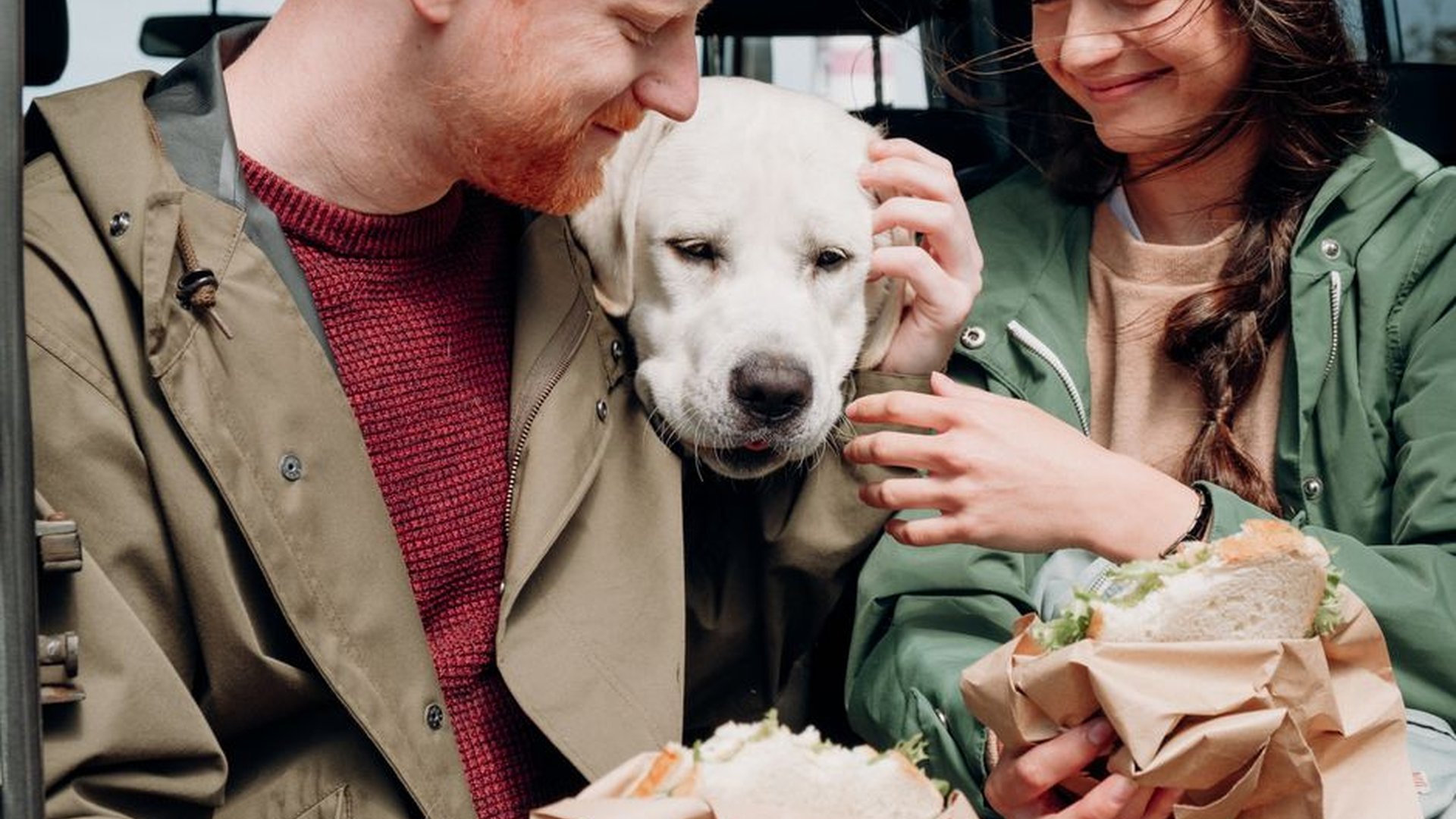
Take Jake, a Labrador from Austin, Texas. He had always eaten with enthusiasm—sometimes even begging for seconds. But over two weeks, he started eating slowly. He would sit at his bowl, stare at it, and then walk away. His owner worried he had lost interest in food.
A visit to the vet revealed he had a partially blocked intestine. The pain made him nauseous, and eating triggered discomfort. He wasn’t being picky. He was in pain.
Even mild pain—like a sore tooth, an upset stomach, or muscle strain—can reduce a dog’s appetite. Some dogs eat less. Others overeat in an attempt to self-soothe. Either way, a shift in eating habits deserves attention.
If your dog used to finish their food and now leaves half, or if they’ve started hiding food or eating too fast (a sign of anxiety or stomach pain), it’s not just about behavior. It’s a physical red flag.
Stiffness, Limping, and Altered Movement
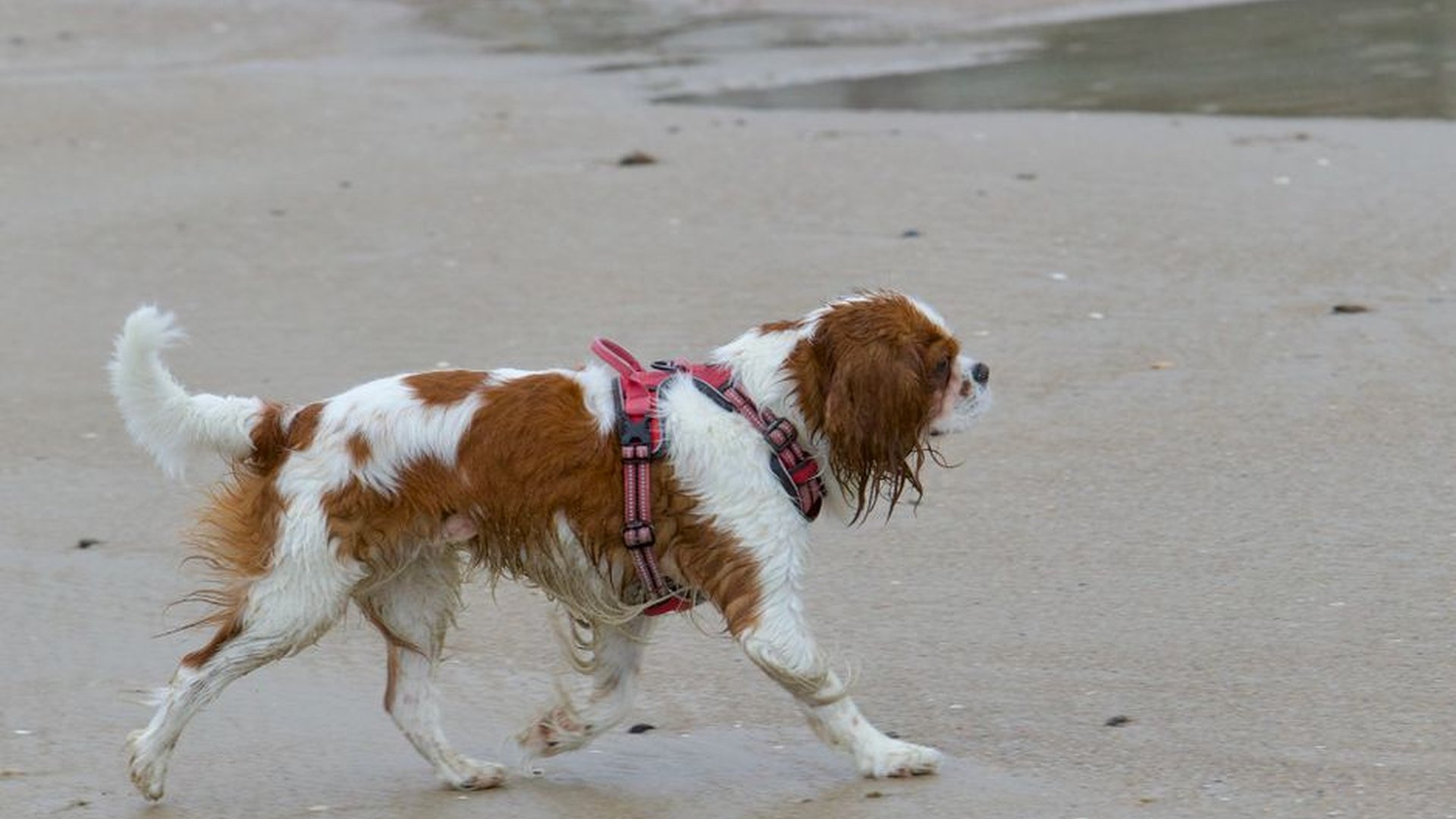
Limping is often the first thing people think of when they hear ‘dog pain.’ But here’s the catch: not all limping is obvious. Some dogs only show it after a walk, or when they change direction, or when they stand up from lying down.
Consider Maya, a 5-year-old Corgi from Denver. Her owner, Derek, didn’t notice any limping at first. But over time, he spotted that she always started her walk with her right back leg slightly off the ground. Once she warmed up, she moved fine. But after 10 minutes, her gait changed—and she’d stop, pant heavily, and sit down.
This was early-stage arthritis. Had he waited, she would have developed chronic joint damage.
Watch for movement changes. Does your dog hesitate before going up the stairs? Do they avoid jumping on the couch? Do they stop mid-run and sit down? Is there a stiffness when they stand up from a lie-down? These are often the earliest signs of musculoskeletal pain.
It’s not just about legs. Back pain often shows as a hunched back, a tense posture, or an unwillingness to bend. Some dogs even yelp when you gently press on their spine.
Why Owners Miss the Signs—and How to Fix It
So why do so many owners miss these signs? Partly because dogs are good at hiding discomfort. Evolutionarily, they learned to mask pain so as not to attract predators. But in today’s home environment, this instinct can backfire.
Another reason is emotional bias. We see our dogs as family. When we see behavior we don’t like—like not playing, not eating, or not coming when called—we assume it’s a choice. But it’s rarely a choice. It’s a need.
The solution isn’t magic. It’s mindfulness. Stay alert to small changes. Keep a simple log: note when your dog starts moving differently, when they avoid certain activities, or when they flinch during petting. Even a single page of notes per week can reveal patterns.
And always, when in doubt, consult your vet. Pain management is not just about medication. It includes physical therapy, weight control, joint supplements, and lifestyle adaptation—options that only work if caught in time.
Remember: your dog can’t tell you they’re hurting. But they’re telling you through stillness, silence, and stillness. The most loving thing you can do is learn their language—before pain becomes permanent.