Why Your Pet Might Be Straining to Urinate
Imagine this: your normally calm cat is hovering over the litter box for ten minutes, meowing softly, then walks away with a look of frustration. Or your energetic dog keeps licking his back legs, tugs on the leash, and finally whines during a walk. These aren’t just behavioral quirks—these are red flags for urinary issues. As a pet owner, seeing your animal in discomfort is stressful. The truth is, urinary problems affect hundreds of thousands of cats and dogs every year and often go unnoticed until it’s serious. The good news? Many common causes are preventable with early awareness and simple changes in care.
Dehydration and Low Water Intake: A Hidden Trigger
One of the most overlooked reasons pets develop urinary trouble is not drinking enough water. Dogs and cats might not show obvious signs of thirst—especially when they’re fed dry kibble, which contains only 8–10% moisture. This means most of their hydration must come from drinking. But when water bowls are ignored, or when pets are fed meals high in protein and salt (common in many commercial treats), their urine becomes concentrated. Concentrated urine increases the risk of crystal formation—especially struvite and calcium oxalate crystals—which can block the urethra, particularly in male cats.
A case from Austin, Texas, highlights this. A 4-year-old male tabby named Leo was brought in after his owner noticed he hadn’t used the litter box in 16 hours. Bloodwork showed elevated kidney values, and an ultrasound revealed a complete urethral blockage. The vet traced the root to a long-term diet of dry food and a single water bowl tucked behind a closed door. After emergency surgery and recovery, Leo was switched to a wet-diet plan and now drinks from a fountain-style bowl. His owner says, “I thought he was just being picky. Turns out, he was in pain and couldn’t tell me.”
Infections: Not Just a Human Problem
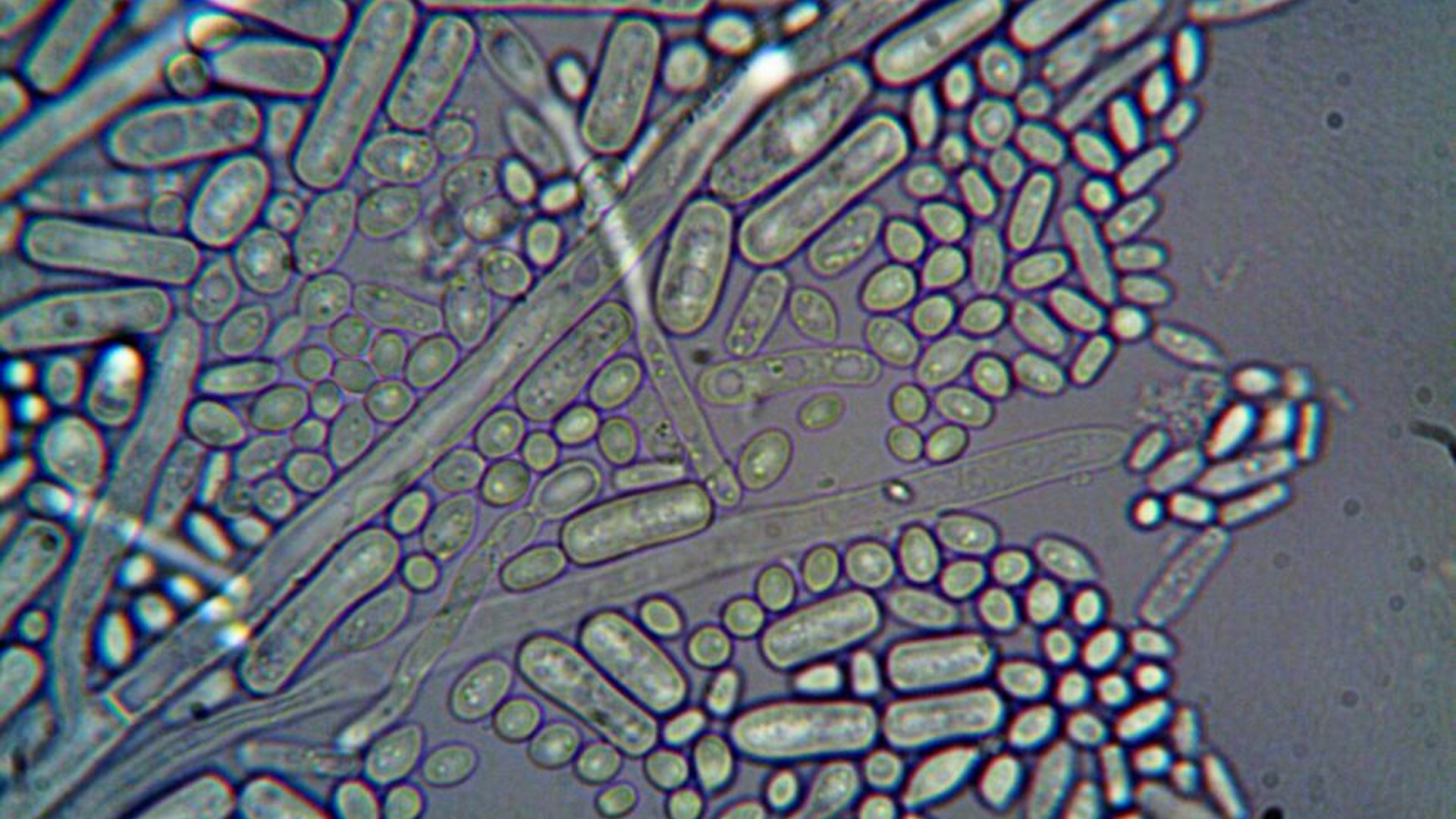
Urinary tract infections (UTIs) are not just human issues—pets get them too, and they’re more common than you think. Bacteria like E. coli or Staphylococcus can enter the urethra during defecation, bathing, or even from dirty bedding. Female dogs and cats are more vulnerable due to shorter urethras, but male pets aren’t immune. A dog might show signs like frequent sitting, licking at the genital area, or blood in urine. A cat may stop using the litter box altogether, urinating in odd places like sinks or countertops.
In Portland, Oregon, a 7-year-old poodle named Lily developed a recurring UTI after her owner started bathing her weekly with a scented shampoo. The daily scrubbing and soapy residue altered the natural pH in her urethral opening, creating a breeding ground for bacteria. After switching to a fragrance-free, hypoallergenic wash and adding a probiotic supplement, her symptoms vanished in under three weeks. This case proves how everyday routines—like bathing or changing litter—can impact urinary health if not done thoughtfully.
Diet and Crystal Formation: What You Feed Matters
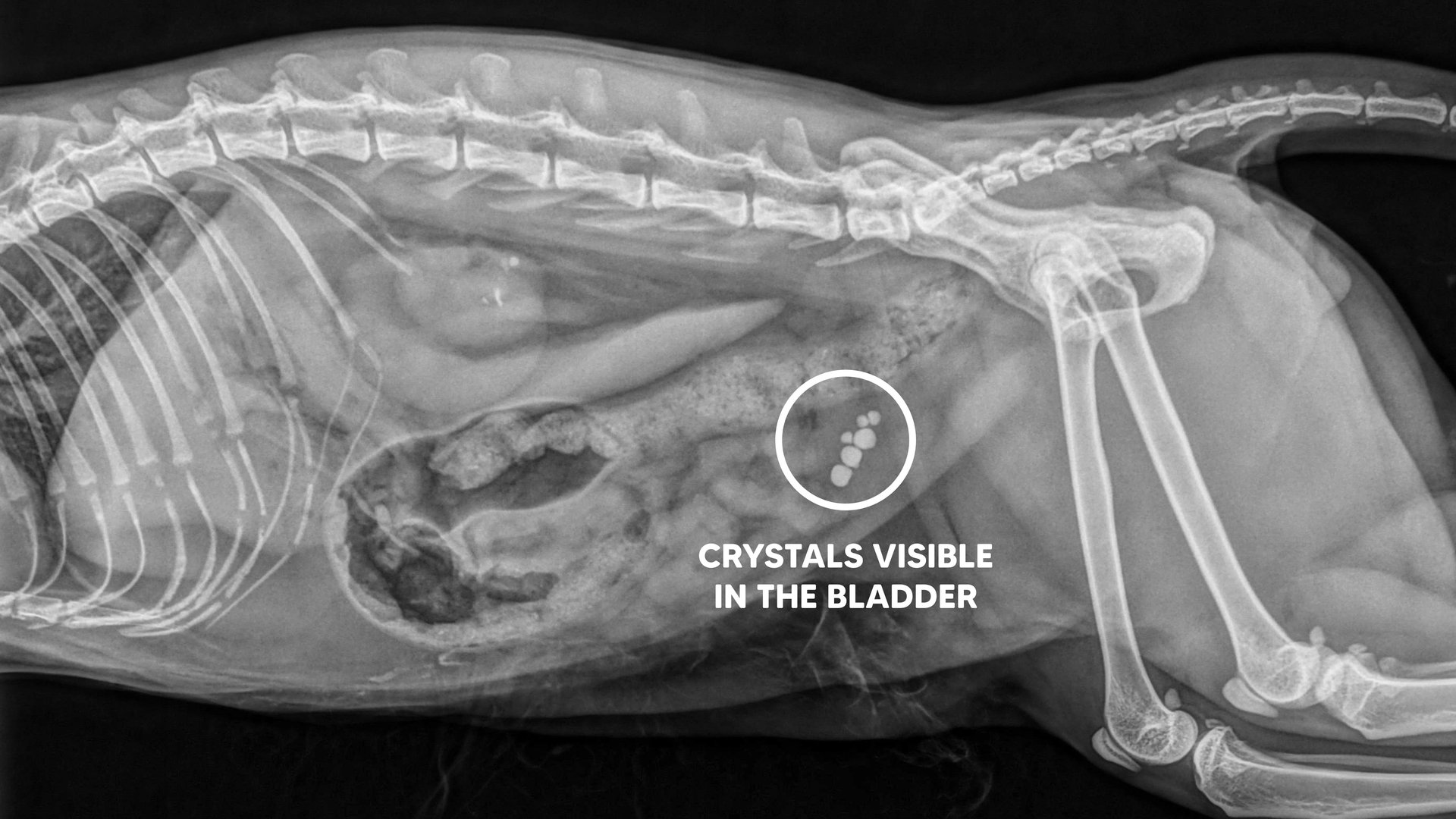
The role of diet in urinary health cannot be overstated. Many commercial pet foods contain high levels of magnesium, phosphorus, and calcium—nutrients that, when unbalanced, increase the risk of crystalluria (crystals in urine). In cats, struvite crystals form in alkaline urine; in dogs, calcium oxalate is more common, especially in older or overweight animals.
A 2023 study published by the American Veterinary Medical Association found that 68% of cats diagnosed with urinary blockage had a history of eating dry food with high mineral content and low moisture. When pets consume dry food almost exclusively, the urine becomes more acidic or alkaline—depending on ingredients—encouraging crystal growth. But the solution isn’t just switching to wet food. It’s choosing a diet specifically formulated to maintain urinary pH balance and limit mineral buildup.
For example, a rescue dog named Max from Chicago was adopted at age 5, mostly on a grain-based dry food. Within months, he began urinating frequently and had two episodes of bloody discharge. His vet recommended a prescription diet with controlled phosphorus and increased water solubility. Within 10 weeks, Max’s urinary function stabilized, and his long-term risk dropped dramatically.
Stress and Environmental Factors: The Mind-Body Link
While less obvious, psychological stress plays a major role. Cats, in particular, are sensitive to changes in routine, new pets, moving homes, or even loud noises. A stressed cat may suppress the urge to urinate, leading to stagnant urine in the bladder. This creates ideal conditions for bacterial growth and crystal formation.
An example from a suburban home in Denver shows how subtle changes cause big impacts. A 3-year-old cat named Luna started avoiding her litter box after a new baby arrived. Her owner thought she was “acting out,” but her droppings were dry, and she often sat near the doorway, staring blankly. During a visit to the clinic, a urinalysis revealed high levels of stress hormones and early signs of crystal formation. After introducing a second litter box, changing to a quieter location, and using pheromone diffusers, Luna returned to her normal routine within a month.
When to Act: Warning Signs That Demand Attention
Not every pet will show dramatic symptoms. Some hide pain well. But if your pet:
– Strains to urinate for over 10 minutes
– Passes only a few drops of urine
– Licks or hunches around the genital area
– Avoids the litter box or urinates outside
– Shows signs of pain (whining, trembling, stiff posture)
—seek veterinary care immediately. Male cats, in particular, can develop life-threatening blockages within hours. Delaying treatment can lead to kidney failure, sepsis, or death.
Pet owners don’t need to be doctors, but they should become students of their pets’ habits. The more you observe, the sooner you catch problems. Simple tools—like a daily log of urination frequency, a water bowl tracker, or a photo journal of litter box behavior—can save your pet’s life.
Take a moment to ask yourself: When was the last time you saw your pet use the bathroom normally? If you don’t remember, it might be time to look closer.