Cats are often known for being clean and quiet, but these very traits can also make it difficult to detect when something is wrong—especially with their urinary system. Many people may not realize that a cat “not being able to pee” isn’t just an inconvenience. It could be a life-threatening emergency. If a cat experiences difficulty urinating or cannot urinate at all, this might signal a serious urinary system issue that needs immediate care.
Why Are Urinary System Problems So Common in Cats?
Cats are desert-dwelling creatures by ancestry. Their bodies are designed to conserve water, which means they can survive with minimal water intake by producing highly concentrated urine. While this trait was beneficial in the wild, it becomes problematic in modern indoor environments. Concentrated urine makes it easier for crystals to form, and factors such as limited space, low water consumption, and increased stress can easily trigger urinary tract issues.
Common feline urinary system problems include:
- Feline Lower Urinary Tract Disease (FLUTD)
- Urinary stones or crystals
- Cystitis (especially idiopathic cystitis)
- Urethral obstruction (more common in males)
- Urethritis or infection
- Kidney problems
These conditions are often interconnected. What starts as mild difficulty urinating can escalate into a complete blockage, which can be life-threatening if left untreated.
Early Warning Signs of Urinary System Diseases
Cats can’t tell us directly when something hurts, so we must rely on behavioral changes to identify trouble. The signs of urinary problems can be subtle at first but may include the following:
- Frequent trips to the litter box without urinating
The cat repeatedly goes to the litter box, assumes the correct position, but either nothing comes out or only a few drops of urine are produced. - Crying out in pain during urination
Some cats vocalize when trying to urinate, making low moaning or high-pitched sounds due to the pain. - Blood in the urine or abnormal color
Urine that’s pink, orange, or bloody indicates damage to the urinary tract lining. - Urinating outside the litter box
A well-trained cat suddenly peeing on the floor, couch, or bed may be trying to signal discomfort or illness. - Excessive licking of genital area
Frequent licking of the urethral area or lower abdomen is a common response to urinary pain or blockage. - Loss of appetite and lethargy
Cats that stop eating, hide in corners, or appear weak and glassy-eyed may be experiencing more advanced illness. - Swollen or sensitive abdomen
A bloated bladder caused by urine retention can be painful. Cats may flinch or resist when you touch their belly.
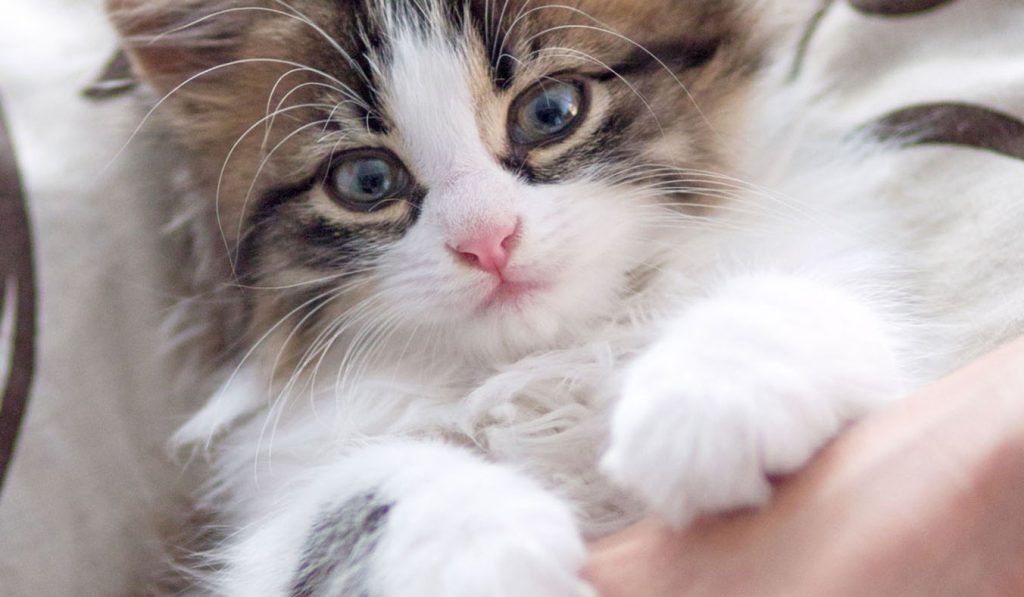
If you notice one or more of these signs—especially in male cats—it is crucial to take them seriously. They could indicate acute urinary obstruction and require immediate veterinary attention.
Why Are Male Cats at Higher Risk?
Male cats have narrower and longer urethras than females, making them more prone to obstructions. When inflammation or crystals develop, the narrow passage can quickly become blocked, preventing urination entirely.
Even more dangerous is the fact that retained urine means waste and toxins remain inside the body. This can lead to electrolyte imbalance, acute kidney failure, and death. Studies have shown that male cats can die within 24 to 48 hours of complete urinary blockage.
While females can also suffer from urinary disorders, their shorter urethras are less likely to become completely blocked. As a result, their symptoms tend to be less severe, and treatment time is usually more flexible.
Common Urinary Diseases in Cats Explained
- Feline Lower Urinary Tract Disease (FLUTD)
FLUTD is an umbrella term for several urinary problems affecting the bladder and urethra. These include cystitis, crystals, and obstructions. Most common in adult cats between ages 2 and 6, FLUTD is often linked to obesity, low water intake, and a monotonous environment. - Feline Idiopathic Cystitis (FIC)
This is the most prevalent form of FLUTD. The exact cause is still unknown, but stress appears to be a major factor. Environmental changes like moving house, the arrival of a new pet, or a long absence by the owner can trigger it.
Key features include:
- No bacterial infection
- No visible anatomical abnormalities
- Symptoms can self-resolve in 5–10 days but tend to recur
- Urinary Crystals/Stones
When mineral concentrations in a cat’s urine are too high, crystals can form and gradually develop into stones that block the urethra. Common types include:
- Struvite (magnesium ammonium phosphate)
- Calcium oxalate
High dietary magnesium, abnormal urine pH, and low water intake are known contributors.
- Bacterial Urethritis or Urinary Infection
Although not as common in cats as in dogs, older cats or those with compromised immune systems may develop bacterial infections. Diagnosis requires urine culture testing, and treatment involves veterinarian-prescribed antibiotics. - Urethral Obstruction
This is the most critical condition and often results from one of the above diseases. Symptoms include severe pain, refusal to move, dehydration, and in extreme cases, collapse or shock. Emergency care may involve catheterization, pain relief, IV fluids, and hospitalization.
Daily Care and Prevention Tips
I’ve come to realize that once urinary problems arise, they can cause significant harm not only to the cat’s health but also to the owner’s emotional well-being and finances. Prevention is always better than cure. Here are some important daily care habits:
- Ensure adequate water intake
- Provide multiple water sources around the home
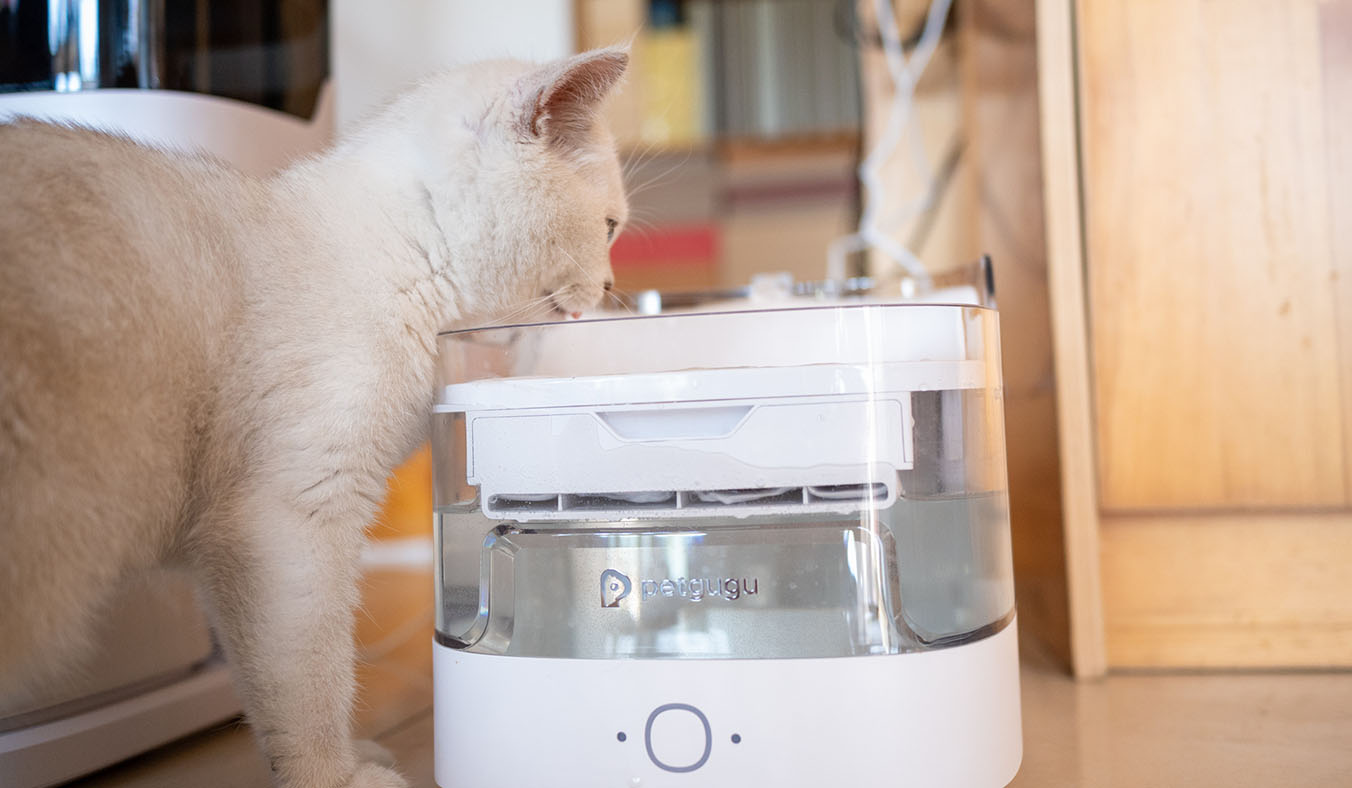
- Use pet fountains to encourage drinking
- Mix water into wet food meals
- Choose urinary care dry foods when switching brands
- Adjust the diet
- Avoid salty treats or high-mineral snacks
- Monitor and manage weight to prevent obesity
- Use prescription urinary care diets for cats with a history of problems
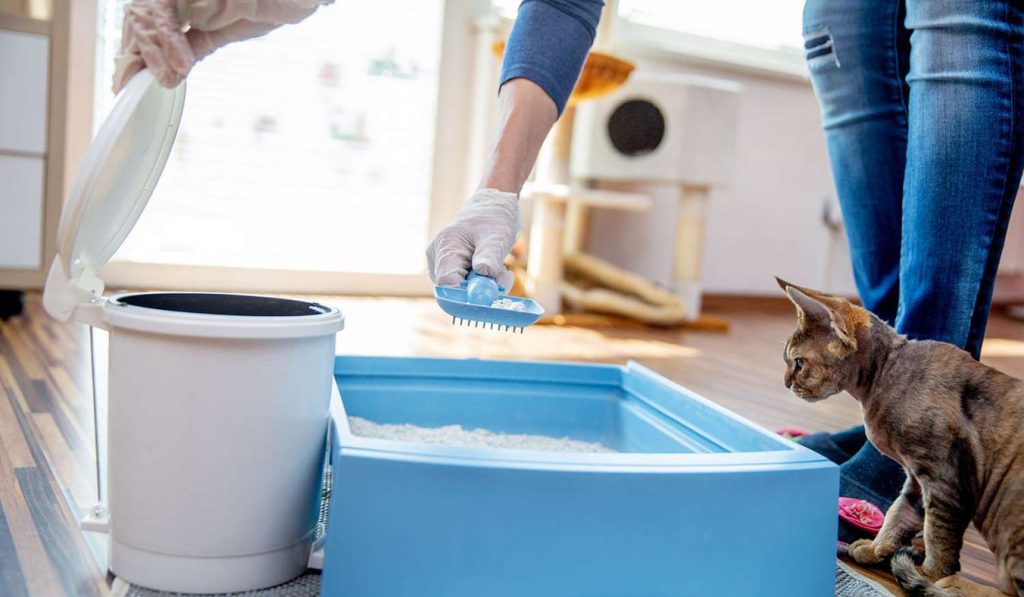
- Maintain a clean and comfortable litter environment
- Provide at least one more litter box than the number of cats
- Scoop daily to prevent odors and encourage use
- Use unscented, fine-grain litter that cats prefer
- Never force a cat to “hold it”
- Reduce stress
- Keep a consistent daily routine and avoid frequent changes in bedding or bowls
- When moving or traveling, use pheromone sprays or calming diffusers
- Spend quality time and play with your cat to ease loneliness and anxiety
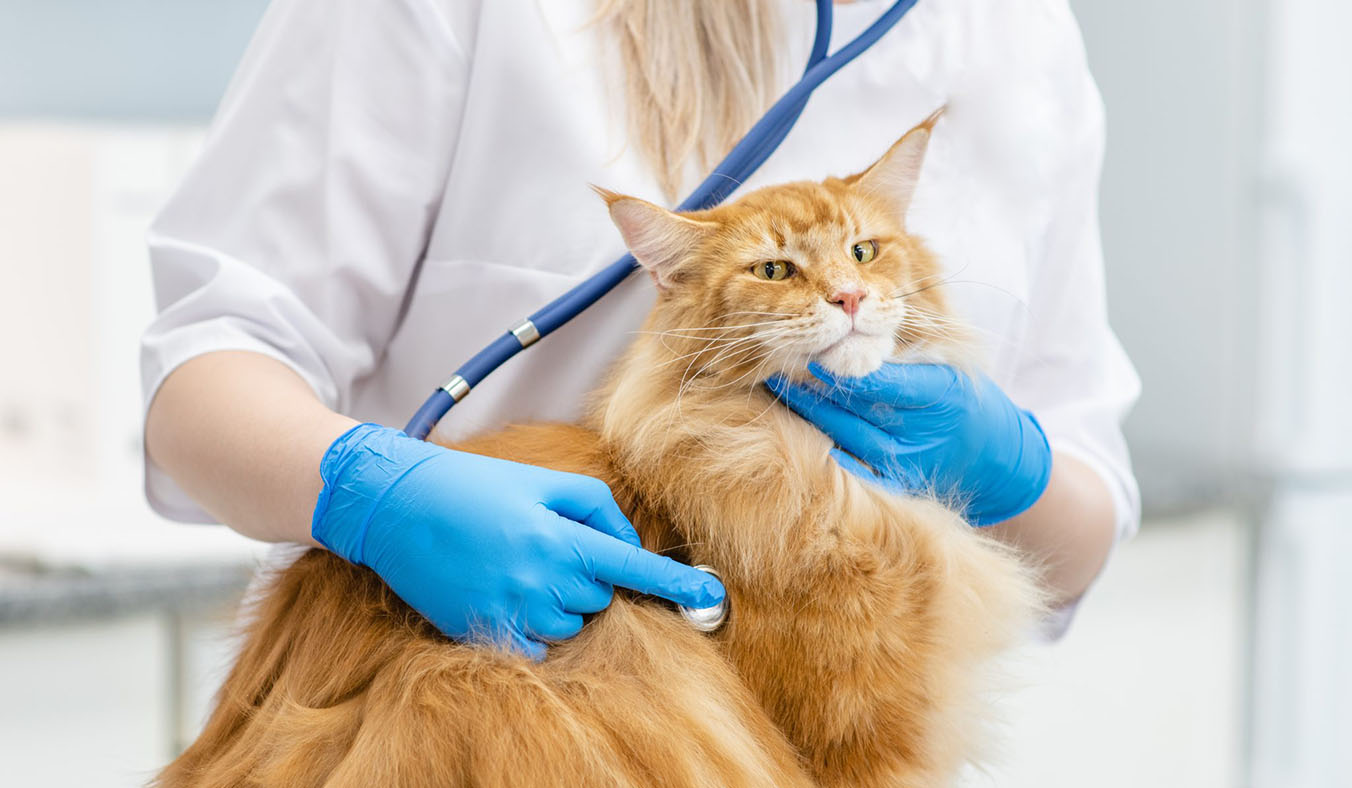
- Regular health checks
- Schedule an annual ultrasound to monitor urinary health
- For cats over 7, consider biannual checkups
- Maintain a detailed health record, especially for cats with a history of urinary disease
Emergency Measures: What to Do if Your Cat Can’t Urinate
If you suspect your cat is struggling to urinate, immediately assess whether the blockage is complete:
- Has it been more than 6 hours since your cat last urinated?
- Is the cat repeatedly straining or crying while trying to pee?
- Does the abdomen feel swollen or is the breathing shallow and rapid?
If any of the above are true, do not delay—get to an emergency animal hospital right away.
Standard treatments may include:
- Pain relief injections
- Urinary catheterization
- IV fluids and antibiotics
- Hospital monitoring with a retained catheter
- Long-term management (diet, behavior modification)
The earlier the intervention, the faster the recovery—and the lower the cost of treatment.
Urinary Health Starts With the Small Things
Urinary issues in cats may seem minor at first glance, but they are crucial to your cat’s overall well-being. Too many owners don’t notice until their cat is crying in pain or lying immobile, and by that point, it may be too late.
Cats place their full trust in us. As their caretakers, we owe it to them to be observant, informed, and proactive. Urinary issues, while common, are highly manageable with early recognition and good care.