Every autumn and winter, I often hear friends mention that their cats have started sneezing or their dogs seem to be breathing faster than usual. Some even say they’ve noticed their pet’s breathing becoming rough or accompanied by coughing during the night. At first, it might just be a few mild symptoms, but if ignored, these can escalate into serious respiratory issues.
This kind of “wheezing crisis” during seasonal changes is not rare. Cats and dogs have relatively fragile respiratory systems that are affected by temperature shifts, changes in air humidity, allergens, and more. Without proactive care, they can develop coughs, runny noses, sneezing, wheezing, teary eyes, or even labored breathing. Over the past few years, I’ve continuously refined how I care for my pets during this time, learning how to better protect their respiratory health to help them safely transition through sensitive seasons.
Why Are Autumn and Winter So Risky for Pets’ Respiratory Health?
Seasonal transitions bring more than just colder weather. Air quality drops, humidity fluctuates, and allergens multiply—all of which pose threats to pets’ respiratory systems. In autumn and winter, the main challenges pets face include:
1. Sudden Drops in Temperature
The nasal passages and respiratory mucosa in cats and dogs are highly sensitive to temperature changes. Small dog breeds and brachycephalic cats (like Persians or British Shorthairs) are particularly prone to bronchospasms or inflammation caused by the cold.
2. Dry Air
During heating season, indoor humidity plummets. Dry air can damage the mucous membranes of the respiratory tract, leading to coughing, throat irritation, and even nasal bleeding.
3. Increase in Dust and Allergens
Falling leaves, carpet dust, mites, pollen, and mold spores all become more active during seasonal changes. Some pets are sensitive to these substances and may develop allergic rhinitis or asthma.
4. Weakened Immunity
Seasonal transitions stress the immune system. Young, elderly, or chronically ill pets often have lower immunity, making them more susceptible to infections that affect the respiratory system.

Common Respiratory Symptoms to Watch For During Seasonal Changes
Respiratory issues usually don’t start as emergencies—they creep in with small, subtle signs. I’ve learned to treat the following as important seasonal “warning signs”:
- Increased sneezing, especially in the morning or after exposure to wind
- Nasal discharge becoming thicker or discolored (yellow or green)
- More frequent coughing, particularly at night or upon waking
- Rapid breathing, mouth breathing, or wheezing sounds
- Heavier nasal sounds, like snorting or snuffling
- Lethargy and reduced willingness to move
- Decreased appetite or coughing while eating
If any of these symptoms persist for more than three days, a vet visit is strongly recommended. For signs like mouth breathing (especially in cats), bluish tongue, or unconsciousness, seek emergency care immediately.
Daily Tips for Boosting Respiratory Health
Prevention is far more effective than treatment when it comes to respiratory issues. These daily practices have become my go-to routines after years of caring for pets:
1. Control Indoor Temperature and Humidity
- Keep room temperature between 18°C and 25°C, avoiding large differences between day and night
- Use a humidifier to maintain 40%-60% indoor humidity to protect mucous membranes
- Don’t let pets lie directly on cold floors—use warm mats or beds
- Ventilate regularly even in heated homes to prevent stale air buildup
2. Eliminate Common Irritants and Maintain Cleanliness
- Wash pet bedding, toys, and blankets weekly to prevent mite growth
- Use both vacuum cleaners and air purifiers to remove dust, pollen, and floating fur
- Avoid strong-smelling products like incense, bleach, or harsh cleaning agents
- Keep pets away from piles of leaves, damp basements, or mold-prone corners
3. Provide Balanced Nutrition to Support Immunity
- Choose pet food rich in antioxidants and vitamins C and E
- In autumn and winter, supplement with omega-3 fatty acids to fight inflammation and support respiratory cell repair
- For allergy-prone pets, consider natural antihistamines under vet guidance
- Encourage regular water intake to help keep airways moist
4. Encourage Exercise and Fresh Air to Strengthen Lung Function
- Maintain a daily walk or play routine even in cooler weather to improve respiratory efficiency
- Avoid taking pets out in smoggy, extremely cold, or windy conditions; go out during mild midday hours instead
- Air out your home regularly, but avoid direct drafts blowing onto your pets
Preventing Common Respiratory Illnesses
Autumn and winter are peak seasons for several respiratory conditions in pets. These are the ones I stay most alert to:
1. Canine Infectious Tracheobronchitis (Kennel Cough)
Highly contagious and spread via airborne droplets, especially in dog-populated areas like grooming salons and boarding centers. Vaccination is the best prevention—an annual booster is advised.
2. Feline Viral Rhinotracheitis (FVR)
Caused by feline herpesvirus or calicivirus. Symptoms include sneezing, nasal congestion, and conjunctivitis. Kittens and immune-compromised cats are especially at risk. Routine vaccination is key.
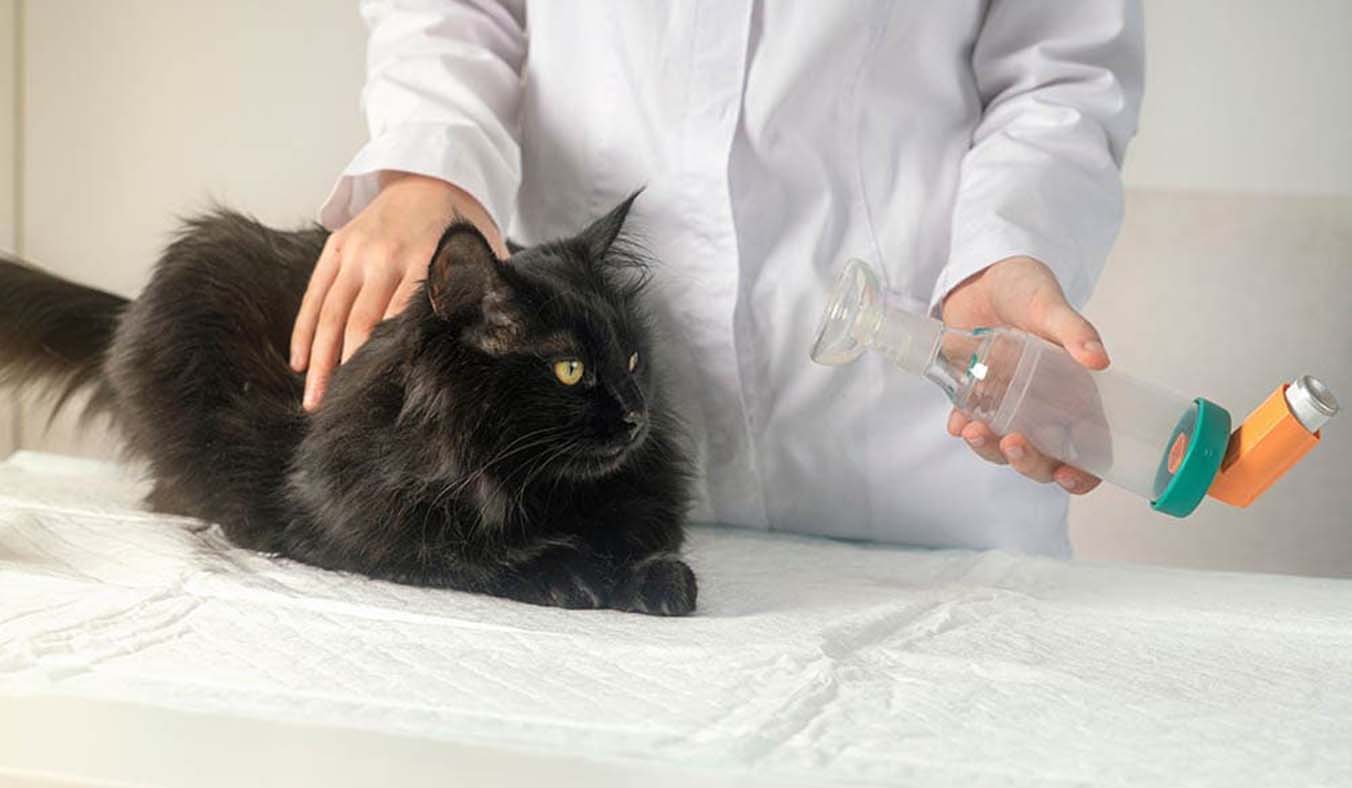
3. Respiratory Allergies (e.g., Asthma)
More common in cats than dogs, especially in brachycephalic breeds. Symptoms are triggered by strong smells, mites, or pollen and may include rapid breathing and wheezing.
4. Chronic Bronchitis
Often affects middle-aged or elderly dogs, especially small breeds like Pomeranians or Poodles. It’s marked by persistent coughing and nighttime breathing issues, usually managed with long-term medication.
5. Nasal Foreign Bodies or Infections
Falling leaves, seeds, and dust are more likely to get into pets’ nasal passages during autumn and winter, causing irritation or infection. Symptoms include unilateral sneezing, nosebleeds, or uneven nasal discharge.
Regular Health Checks Offer Long-Term Protection
I’ve come to deeply appreciate the importance of routine checkups for pets. They’re one of the most effective ways to gently but thoroughly safeguard their well-being—especially for those who are older, have chronic conditions, or are more sensitive due to breed.
A thorough respiratory health check should include:
- Observation of respiratory rate and cardiopulmonary auscultation
- Complete blood count and C-reactive protein to check for inflammation
- Chest X-rays to look for lung shadows or bronchial changes
- Bronchoscopy if deeper investigation is needed
- Allergen testing for pets with persistent coughing or sneezing
Recommended frequency: once a year for healthy young pets; every six months for senior animals or those with chronic respiratory conditions.
What to Do During a Respiratory Emergency
If your pet suddenly shows signs of severe breathing difficulty, such as gasping, bluish gums, or collapse, here’s what to do:
- Keep the environment calm and avoid loud sounds or quick movements
- Check the mouth and nose for any blockages
- Tilt the body so the head is lower to help drain mucus or vomit
- Ensure the airway is clear and gently pat the back if needed
- Wrap the pet in a towel to retain warmth and ensure airflow during transport
- Once at the vet, explain the symptoms, when they started, and any recent environmental changes
These are urgent cases—time is critical.
Breathing: The Most Subtle Form of Seasonal Tenderness
Every breath they take, every small cough, is no longer just background noise to me—it’s a vital signal of their health. I’ve developed the habit of monitoring their respiratory rate, noting down cough patterns, and adjusting the indoor temperature and humidity based on their needs. My care extends beyond their fur and digestion—it’s also about their every breath: smooth in, gentle out.