Diarrhea in dogs is an issue nearly every pet owner encounters at some point. Sometimes it’s just mild soft stools; other times, it turns into explosive diarrhea, increased frequency, and may even be accompanied by vomiting, loss of appetite, and lethargy. Regardless of the severity, it’s always a signal: your dog’s digestive system is in trouble.
When faced with recurring diarrhea, many people instinctively switch food, give probiotics, or even use anti-diarrheal medication without guidance. But before rushing to a solution, it’s crucial to identify the underlying cause and establish a structured, scientific approach to digestive health and dietary management. I’ve always believed in starting from the details—paying attention to food structure, daily habits, and environmental changes that might affect the gut.
Understanding the Potential Causes of Diarrhea
- Sudden Changes in Diet
A dog’s gut microbiome is highly sensitive to changes in food. A sudden switch in kibble or treats, or the addition of fresh food, can easily cause microbial imbalance and short-term diarrhea. This is especially common when transitioning from dry food to wet food or raw meat, or when introducing milk, oily meat, or eggs. - Food Intolerance or Allergies
Certain protein sources (like chicken, beef, dairy), grains (such as wheat or corn), or additives (preservatives, coloring agents) can lead to inflammation of the digestive tract. Symptoms might include recurrent diarrhea, occasional vomiting, itching, or hair loss. - Spoiled Food or Accidental Ingestion
Expired kibble, poorly stored fresh meals, or trash scavenging can trigger acute gastroenteritis, with symptoms like sudden watery stools, foul-smelling feces, and vomiting. - Stress and Anxiety
Moving to a new home, long-distance travel, owner separation, or abrupt weather changes may lead to stress-induced diarrhea. This type is often accompanied by emotional signs—restlessness, irritability, and poor appetite. - Parasites or Bacterial Infections
Parasites like coccidia, hookworms, and giardia, or infections from salmonella and E. coli, can cause serious diarrhea. Sometimes, blood or mucus is visible in the stool. - Digestive Disorders or Pancreatic Issues
Conditions like chronic enteritis, exocrine pancreatic insufficiency (EPI), and dysbiosis require professional diagnosis and often long-term treatment. In these cases, diet management is a vital part of the therapeutic process.
Why Monitoring Stool Matters
Stool is a reliable indicator of a dog’s internal health. During the recovery phase, I make it a habit to document the color, shape, and frequency of stools every day. This helps inform any adjustments in diet or daily routine.
- Signs of Normal Stool
- Shape: Firm, formed, easy to pick up
- Color: Brown to dark brown, matching kibble tint
- Smell: Natural odor, not overpowering
- Warning Signs in Stool
- Watery stools: Often signal acute inflammation or irritation
- Mucus in stool: Suggests intestinal inflammation, possibly from parasites or microbial imbalance
- Black stools: May indicate gastrointestinal bleeding (seek immediate veterinary care)
- Bloody stool: Possible colon bleeding or coccidia infection
- Undigested food: Suggests malabsorption or pancreatic enzyme insufficiency
Only with accurate observation can we take the right steps toward healing.
Step One in Gut Recovery: Let the Digestive System Rest
When diarrhea occurs suddenly without signs of fever, blood, or vomiting, a temporary “fasting + hydration” approach is often effective.
- 12-Hour Fasting
Giving the digestive system a break helps reduce inflammation and stress. During this time, it’s critical to keep your dog hydrated. Provide a small amount of room-temperature water, light salt water, or diluted pet electrolytes. - Gradual Food Reintroduction
Once symptoms ease, don’t jump straight back to normal kibble. Start with a “gastrointestinal transitional diet” that’s gentle and easy to digest, helping to restore gut function gradually.
Recommended ingredients:
- White rice or brown rice porridge (moderate amounts)
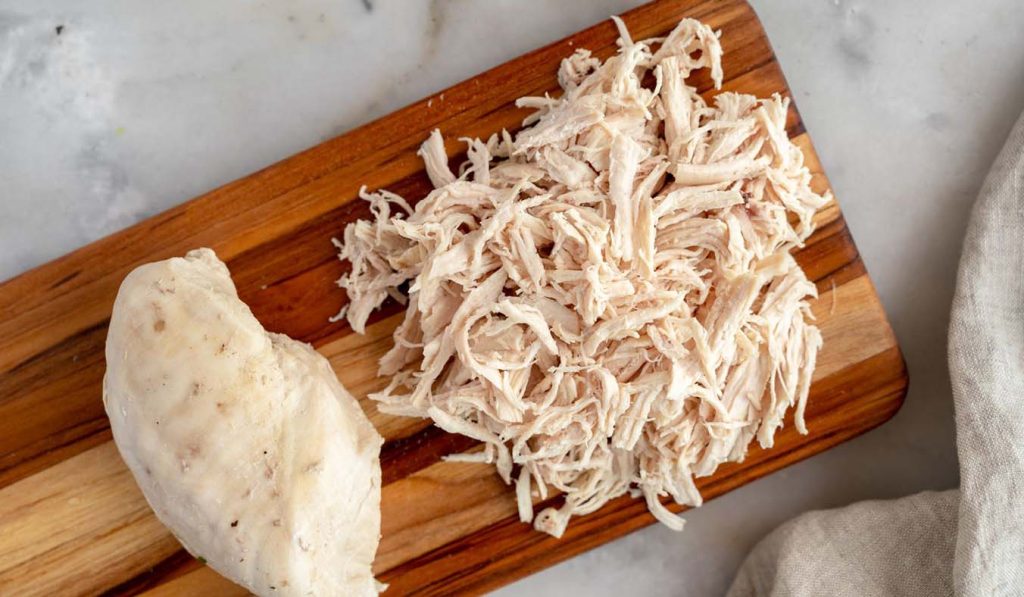
- Boiled chicken breast, lean pork, or free-range chicken (finely chopped)
- Steamed pumpkin or sweet potato mash (rich in soluble fiber)
- A small amount of mashed carrot or green peas
Suggested ratio: Carbs: Protein: Vegetables = 5:3:2. Feed for 2–3 days depending on symptom improvement before reintroducing the main diet.
Probiotics and Nutritional Support: The Key to Gut Repair
Beyond a gentle diet, supplementing with probiotics, dietary fiber, and gut-supporting nutrients plays a crucial role in restoring digestive balance.
- Probiotics: Balancing the Microbiome
High-quality probiotics boost beneficial bacteria, inhibit harmful ones, and enhance gut immunity. Look for pet-specific strains like:
- Lactobacillus
- Bifidobacterium
- Clostridium butyricum
Choose freeze-dried formulas with multiple strains and clearly labeled colony-forming units (CFU). Dosage should be based on your dog’s weight, administered daily for 2–4 weeks.
- Soluble Dietary Fiber
Natural fiber sources like pumpkin, sweet potato, or apple purée improve stool consistency, reduce intestinal friction, and calm overactive bowels. - Gut Protectants and Nutritional Supplements
Products like montmorillonite clay (anti-diarrheal), L-glutamine (for gut lining repair), zinc, and B vitamins can be useful, especially for dogs with chronic intestinal inflammation.
Choosing the Right Food and Long-Term Diet Adjustments
After recovery, avoid rushing back to the original kibble. Choose a hypoallergenic, easily digestible food or fresh diet plan that supports gut health.
- Selection Criteria
- Single protein source (e.g., venison, rabbit, cod)
- Grain-free or uses low-allergen grains (e.g., oats, quinoa)
- No artificial flavors, preservatives, or coloring
- Includes prebiotics and plant extracts (e.g., licorice, psyllium husk)
- Gradual Food Transition Method
Use the “7-day transition” rule:
Day 1: 90% old food + 10% new food
Day 2: 80% old + 20% new
…continue until a full switch is made. If soft stools return during the transition, slow down or pause the switch. - Establish a Stable Feeding Schedule
Feed at regular times, control portions, and avoid frequent changes in food type. This helps maintain a balanced, predictable digestive rhythm.
Special Case Scenarios
- Chronic Diarrhea with Normal Behavior
This could indicate mild chronic enteritis or a poorly structured diet. Consider endoscopic examination and allergy testing, simplify food ingredients, and continue probiotic support. - Diarrhea with Weight Loss or Fatty Stools
Might suggest EPI (exocrine pancreatic insufficiency). A stool fat test can confirm this, and enzyme supplements may be needed long-term. - Diarrhea with Vomiting, Fever, and Lethargy
This combination could signal a bacterial or viral infection (e.g., parvovirus, coronavirus). Immediate veterinary care is required. - Bloody, Foul-Smelling, or Wormy Stools
Stool analysis and parasite screening are necessary. Avoid self-medicating or home remedies.
Everyday Prevention Tips
- Clean Feeding Utensils Regularly
Wash food and water bowls daily with warm water, and disinfect weekly with a pet-safe cleaner. - Limit Treats and Human Food
Avoid high-fat, sugary, or processed human food. If offering treats, opt for plain chicken jerky or freeze-dried fish. - Food Safety During Outdoor Activities
Keep your dog from scavenging on grass, garbage, or unfamiliar substances. When traveling, ensure clean water and simplified meals. - Emotional Well-being
Offer plenty of companionship, daily exercise, and a consistent routine. This reduces stress-related digestive issues.
Caring for the Gut Is the Beginning of True Wellness
The digestive system may be delicate, but it plays a vital role in overall health. One bout of diarrhea might be minor discomfort, but recurring episodes are warning signs—it’s time to reevaluate your dog’s diet, habits, and health status.
Instead of reacting every time symptoms appear, it’s far more effective to proactively build a calm, stable, and sustainable feeding and lifestyle routine. With patience and consistency, every dog can enjoy a strong, balanced, and “firm” digestive system.