Understanding the Difference Between Arthritis and Normal Aging
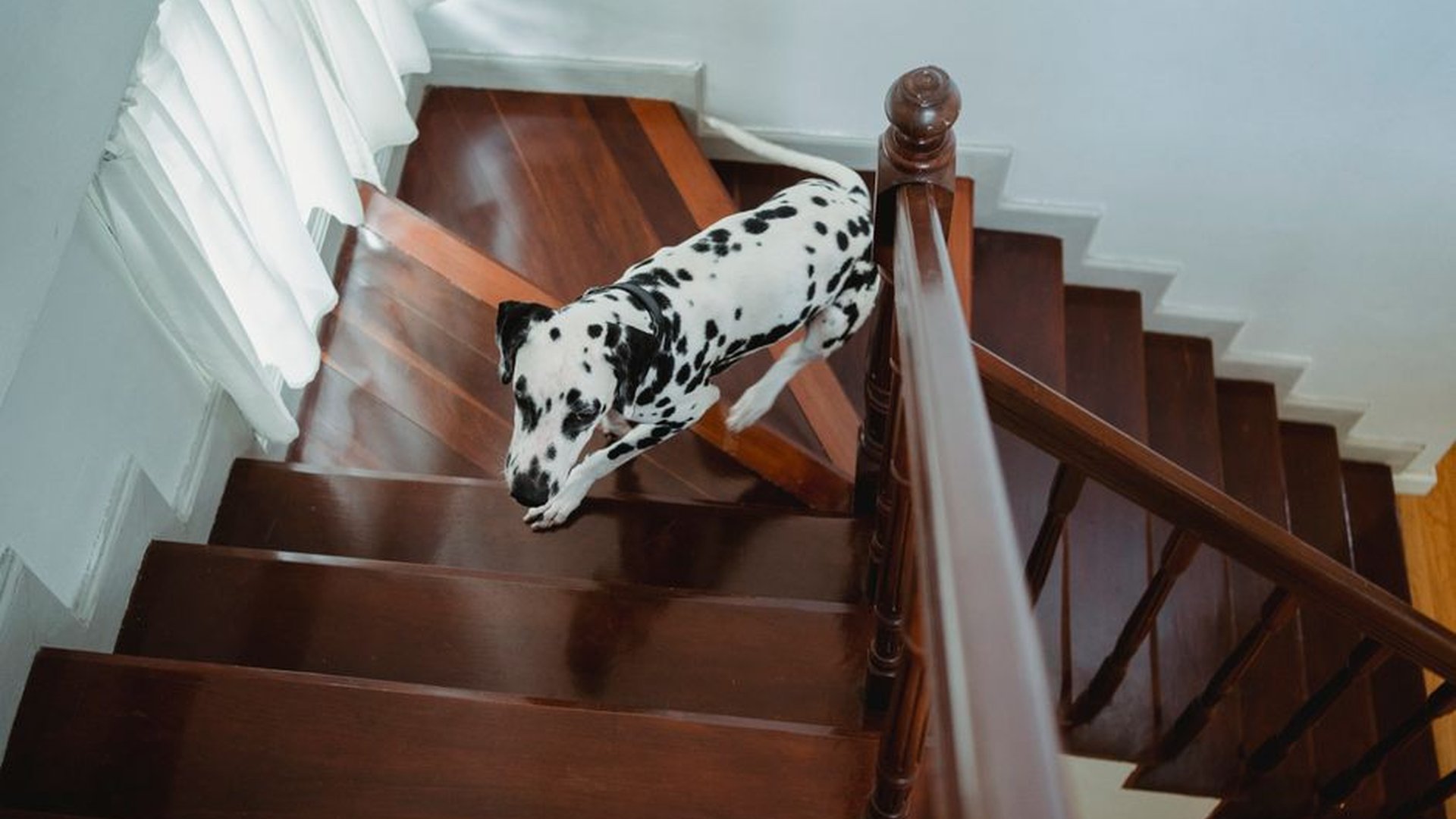
When your once-bouncy dog starts hesitating at the top of the stairs or your cat slows down during their daily zoomies, it’s natural to worry. Is this joint pain a sign of arthritis, or just part of getting older? The truth is, while aging can lead to mild joint stiffness, arthritis is a serious medical condition that affects millions of pets each year. The key difference lies not in the symptoms alone, but in their severity, duration, and impact on your pet’s daily life. Many pet owners mistake normal age-related stiffness for arthritis, delaying proper care. But catching joint issues early can dramatically improve mobility and quality of life. This article breaks down how to spot the signs, when to seek help, and what you can do to support your pet—whether they’re a golden retriever with tired hips or a senior cat struggling to jump on the couch.
Recognizing the Signs of Arthritis in Pets
Arthritis isn’t just about age—it’s a chronic inflammatory disease that damages joint cartilage, leading to pain, swelling, and reduced movement. Common signs include limping after exercise, stiffness when rising from a lying position, reluctance to climb stairs or jump, and noticeable changes in behavior like irritability or hiding. In dogs, you might see them favor one leg or have a stiff gait. In cats, the most common sign is reduced grooming, which often starts subtly—your cat might stop licking their back or paws, leading to matted fur and skin irritation. The key is consistency. If your pet delays getting up for over 30 seconds after lying down, or if they avoid activities they once loved—like playing fetch—this is more than normal aging.
A real example from a pet owner in Portland, Oregon, illustrates this perfectly. Her 11-year-old Labrador, Max, used to sprint for tennis balls and leap over low fences. Over six months, she noticed he’d pause mid-stride, rub his right hind leg, and then limp slightly. At first, she thought he was just slowing due to age. But when he started hiding in the laundry room and flinched when she touched his hip, she took him to the vet. X-rays revealed severe osteoarthritis in both hips. With a combination of joint supplements, anti-inflammatory medication, and physical therapy, Max regained much of his mobility. His story shows how early detection and treatment matter.
Why Normal Aging Isn’t Always the Answer
It’s easy to assume that as pets age, they’ll naturally slow down. And yes, some stiffness is normal—particularly in large breeds like German Shepherds or Great Danes, whose joints bear more weight and wear out faster. But normal aging doesn’t cause sudden changes or pain during movement. If your pet suddenly avoids jumping on the bed, or shows signs of pain when walking, it’s not just ‘they’re getting old.’ Chronic pain from arthritis can lead to weight gain, decreased activity, and even depression. In fact, a 2022 study published in the Journal of Veterinary Internal Medicine found that 85% of dogs over 8 years old show some radiographic signs of arthritis, but only 40% were actually diagnosed. This gap shows how often joint issues go unrecognized—and untreated.
Additionally, arthritis isn’t limited to older animals. Younger pets can develop it due to injury, congenital joint abnormalities (like hip dysplasia), or immune-related conditions. For example, a 3-year-old cat in Austin, Texas, started limping after a fall from a windowsill. The owner initially thought it was a sprain. But after three weeks of no improvement, the vet diagnosed septic arthritis caused by a bacterial infection in the joint. Timely treatment prevented permanent joint damage. This case highlights a vital point: pets don’t talk, so we must rely on close observation and timely vet visits.

What You Can Do to Support Your Pet’s Joint Health
The good news? Joint pain isn’t inevitable. With proactive care, many pets can live comfortably well into their teens. Start with a healthy diet rich in omega-3 fatty acids, glucosamine, and chondroitin—nutrients proven to support cartilage repair. Many high-quality commercial pet foods now include joint-support ingredients, but it’s best to consult your vet before adding supplements.
Maintaining a healthy weight is critical. Extra pounds put extra pressure on joints, accelerating wear and tear. A 2021 study from the University of Liverpool showed that obese dogs had 50% higher risk of developing arthritis. Even a 5% weight loss can significantly reduce joint strain. Simple changes like measuring kibble, reducing treats, and adding low-impact exercises like short leash walks can make a difference.
Physical therapy and low-impact movement are also vital. Hydrotherapy, laser therapy, and targeted exercise programs have helped countless pets regain mobility. In Seattle, a 12-year-old cat named Luna was struggling to use her litter box after hip pain worsened. Her owner enrolled her in a feline physical therapy program, where she received gentle stretching, massage, and balance training. Within six weeks, Luna was back to using her litter box regularly and even started playing with a feather wand again.

When to See a Veterinarian
Never ignore persistent joint stiffness, limping, or changes in behavior. If your pet avoids stairs, refuses to jump, or shows pain during movement for more than a few days, schedule a vet visit. A thorough exam, including X-rays and possibly blood work, can confirm whether arthritis is present and rule out other conditions like tumors or nerve issues. Early diagnosis means access to treatment options that slow progression, reduce pain, and improve daily function.
Remember: arthritis can’t be cured, but it can be managed. With the right steps, your pet can enjoy a long, active life. Don’t let normal aging excuses delay care. Your pet’s comfort—and happiness—depends on it.