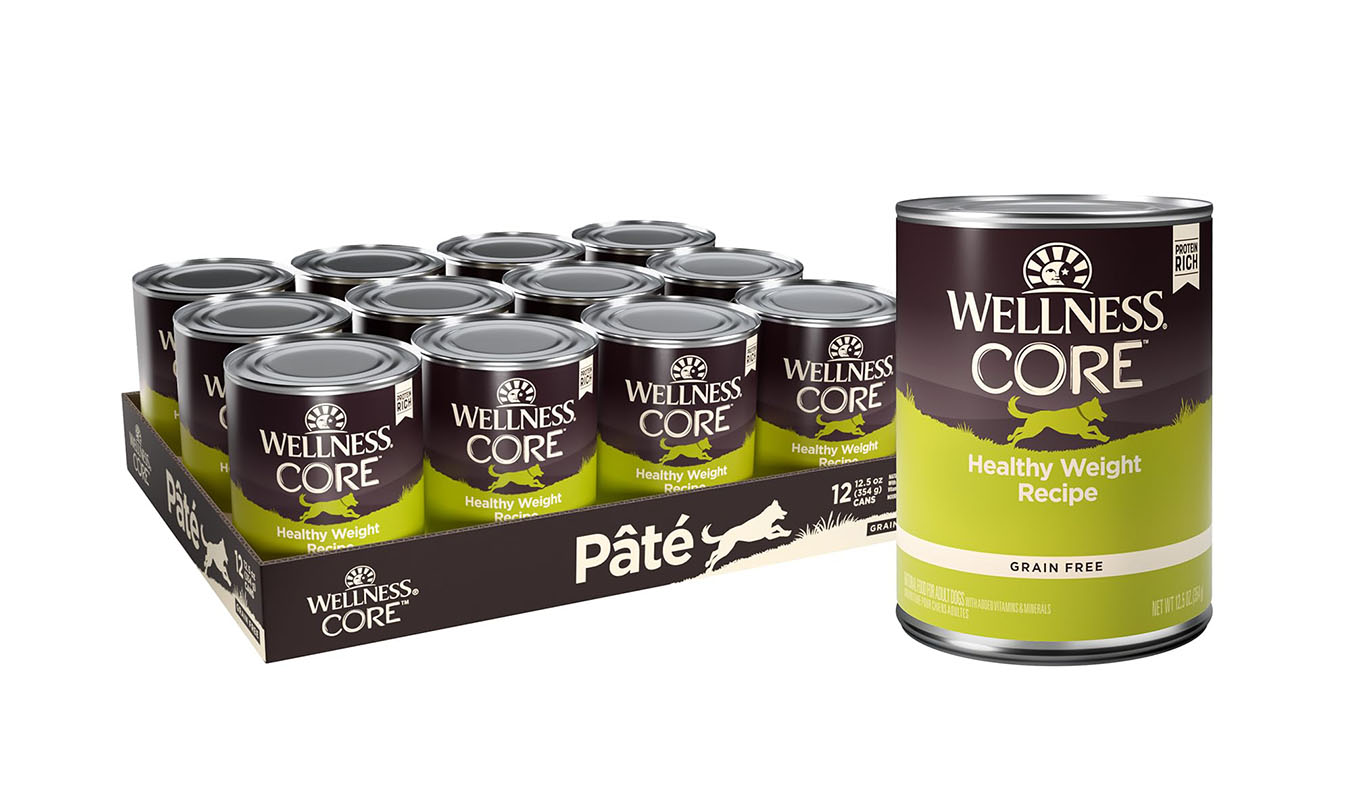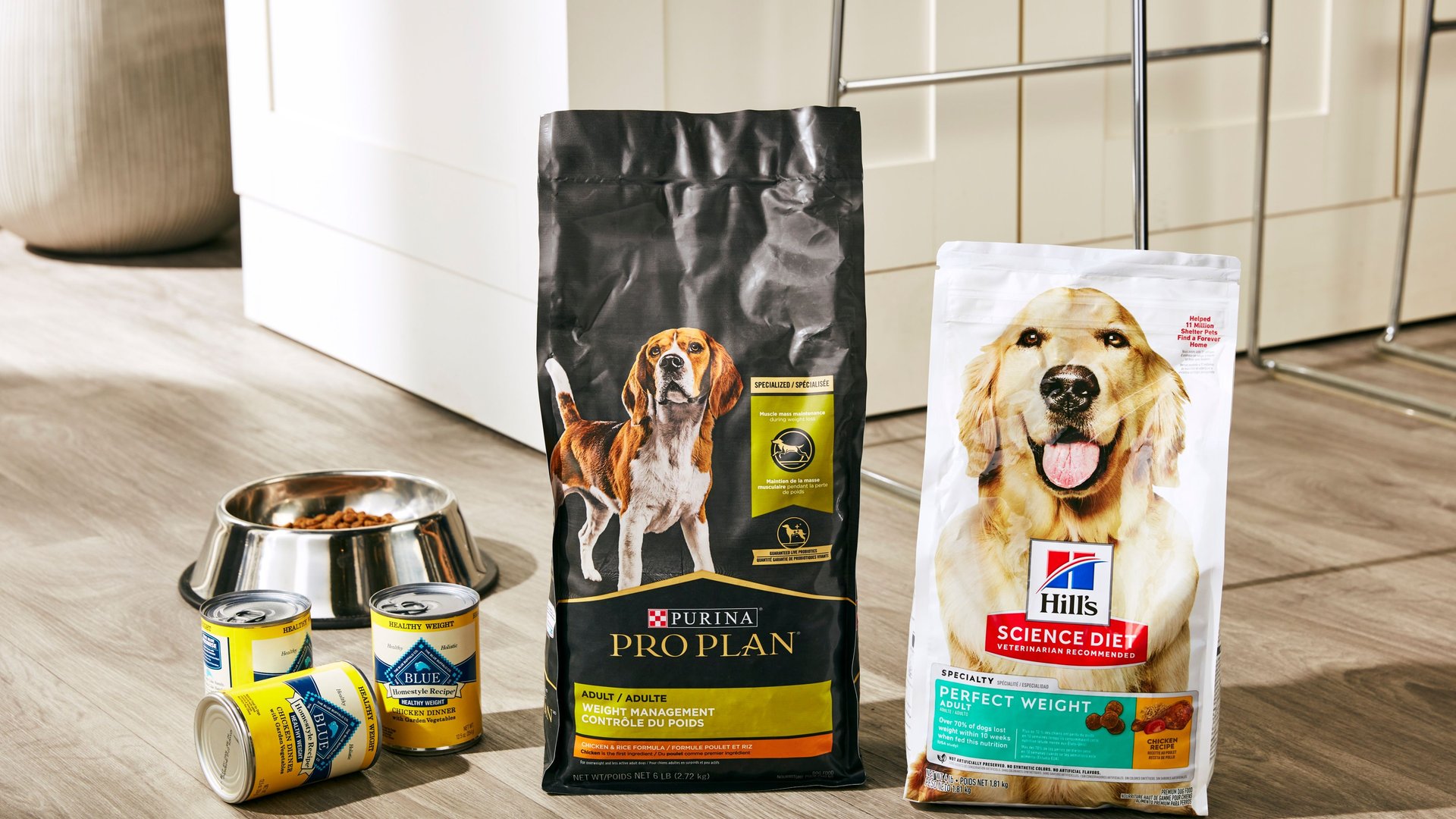
What is the difference between weight loss dog food and regular dog food?
When your dog starts to pack on extra pounds, it’s tempting to just cut back on treats or reduce portion sizes. But that’s not always enough—especially if your pup is already carrying a few too many pounds. That’s where specialized weight loss dog food comes in. The difference between weight loss dog food and regular dog food goes far beyond just flavor or cost. It’s about science, nutrition, and long-term health. Understanding these differences is essential for any responsible pet owner who wants their dog to live a longer, happier, and more active life.
Calorie Control: The Foundation of Weight Loss Food
The most obvious difference lies in calorie content. Weight loss dog food is formulated to deliver fewer calories per serving than regular dog food—even if the food looks and feels just as satisfying. For example, a high-quality weight loss formula might contain 250–300 calories per cup, while a standard adult dog food averages 350–450 calories per cup. This calorie reduction is carefully calculated to create a slight energy deficit, helping your dog burn stored fat over time.
But here’s the key point: reducing calories doesn’t mean sacrificing nutrition. Good weight loss dog foods maintain balanced levels of protein, fiber, and essential vitamins and minerals. This ensures your dog stays full, energized, and healthy—no muscle loss, no energy crashes.
Take Max, a 7-year-old golden retriever from Portland. His owner, Sarah, noticed he hadn’t been able to keep up on their daily walks. After a vet visit, Max was diagnosed with mild obesity. The vet recommended switching to a prescription weight loss formula. Within 10 weeks, Max lost 8 pounds—without changing his daily routine. His energy returned, and his tail was wagging again. The secret? A controlled-calorie diet that kept him satisfied.

Protein and Fiber: The Power Duo for Satiety
One of the biggest challenges in dog weight management is keeping them full while cutting calories. That’s why weight loss dog food often features higher levels of protein and fiber—two key ingredients that naturally curb hunger.
High-quality protein (like chicken, turkey, or fish) helps preserve lean muscle mass during weight loss and supports a healthy immune system. Fiber, especially from sources like pumpkin, beet pulp, and dried chicory root, adds bulk to the meal, making your dog feel fuller for longer. This reduces the urge to beg for table scraps or sneak treats.
Regular dog food, on the other hand, often includes more fillers like corn, wheat, or soy—ingredients that add bulk but little nutritional value. These fillers can actually spike blood sugar and contribute to weight gain over time.
A real-life example from Austin, Texas, showed the impact of fiber-rich weight loss food. A 9-year-old Labradoodle named Luna was prone to overeating. Her owner switched her to a vet-recommended weight loss formula high in fiber and moderate protein. Within six weeks, Luna’s eating habits improved dramatically. She was content after meals, and her owner no longer had to worry about her digging through the trash.
Formulation Science: Not Just a Lower-Calorie Version
Weight loss dog food isn’t just a slightly modified version of regular kibble—it’s built on research and clinical testing. Many brands use a process called energy density analysis, where they adjust the food’s texture, moisture, and ingredient ratios to maximize satiety while minimizing calorie intake.
For instance, some weight loss formulas use a dry food with higher fiber content but lower fat, which makes the food lighter in volume. This means your dog can eat more by volume, but still consume fewer calories. It’s a smart trick that mimics how wild canids eat—smaller meals, more frequently, to maintain fullness.
Moreover, these formulas are often vet-approved and tested for long-term safety. Unlike fad diets or homemade recipes that might miss key nutrients, weight loss dog food is designed to prevent deficiencies like taurine, omega-3 fatty acids, or calcium imbalance—issues that can arise when dogs lose weight too quickly or unevenly.

When to Use Weight Loss Dog Food: A Real Decision Guide
Not every dog needs weight loss dog food. But if your dog has a body condition score above 5 out of 9, or if your vet has flagged excess weight, it’s worth considering. Key signs include:
– Difficulty feeling the ribs under a thin layer of fat
– No visible waist when viewed from above
– Lethargy or struggles with stairs and exercise
If your dog fits any of these, weight loss dog food may be the smartest first step. But remember: it’s not a magic fix. It works best when combined with portion control, regular walks, and a vet check-up.
Some owners worry about switching formulas. That’s normal. But most dogs adapt quickly—especially if you introduce the new food gradually over 7–10 days. Mixing a little of the new food with familiar kibble can ease the transition.

Myth-Busting: What You Should Know Before You Switch
One common myth is that weight loss dog food is only for overweight dogs. Not true. Many healthy dogs on maintenance diets can benefit from a lighter, higher-fiber formula—especially if they’re prone to snacking or have a high-calorie lifestyle.
Another myth: “All weight loss food is the same.” Wrong again. Quality varies widely. Look for labels that mention clinical studies, controlled energy levels, and a focus on lean muscle retention. Avoid products with vague claims like “supports healthy weight” or “for overweight dogs” without details.
Finally, never skip vet advice. Some dogs have medical conditions—like hypothyroidism or Cushing’s disease—that mimic obesity. Even if your dog is fat, the root cause might not be diet. A vet can help you rule out underlying issues before making any dietary changes.
In the end, choosing between weight loss dog food and regular dog food isn’t about fear or guilt. It’s about care. It’s about giving your dog the tools to thrive—physically, mentally, and emotionally. When you think about it, a healthy, active dog isn’t just a pet. They’re your partner in life, full of joy, curiosity, and endless energy. And that’s worth every thoughtful choice you make along the way.