How Pet Food Allergies Differ from Environmental Allergies
When your dog scratches incessantly, your cat licks their paws raw, or your rabbit refuses to eat, it’s easy to panic. Allergies are among the most common reasons pet owners seek help. But not all allergies are the same. Understanding the difference between pet food allergies and environmental allergies is crucial—not just for relief, but for getting your pet the right treatment fast.
Food allergies and environmental allergies may look similar on the surface—itching, skin rashes, ear infections, even diarrhea—but their causes, timing, and treatment paths are worlds apart. Confusing one for the other can lead to wasted time, unnecessary costs, and prolonged misery for your pet. Let’s break down exactly how these two types of allergies differ, so you’re not left guessing when your pet starts acting up.
What Causes Pet Food Allergies?
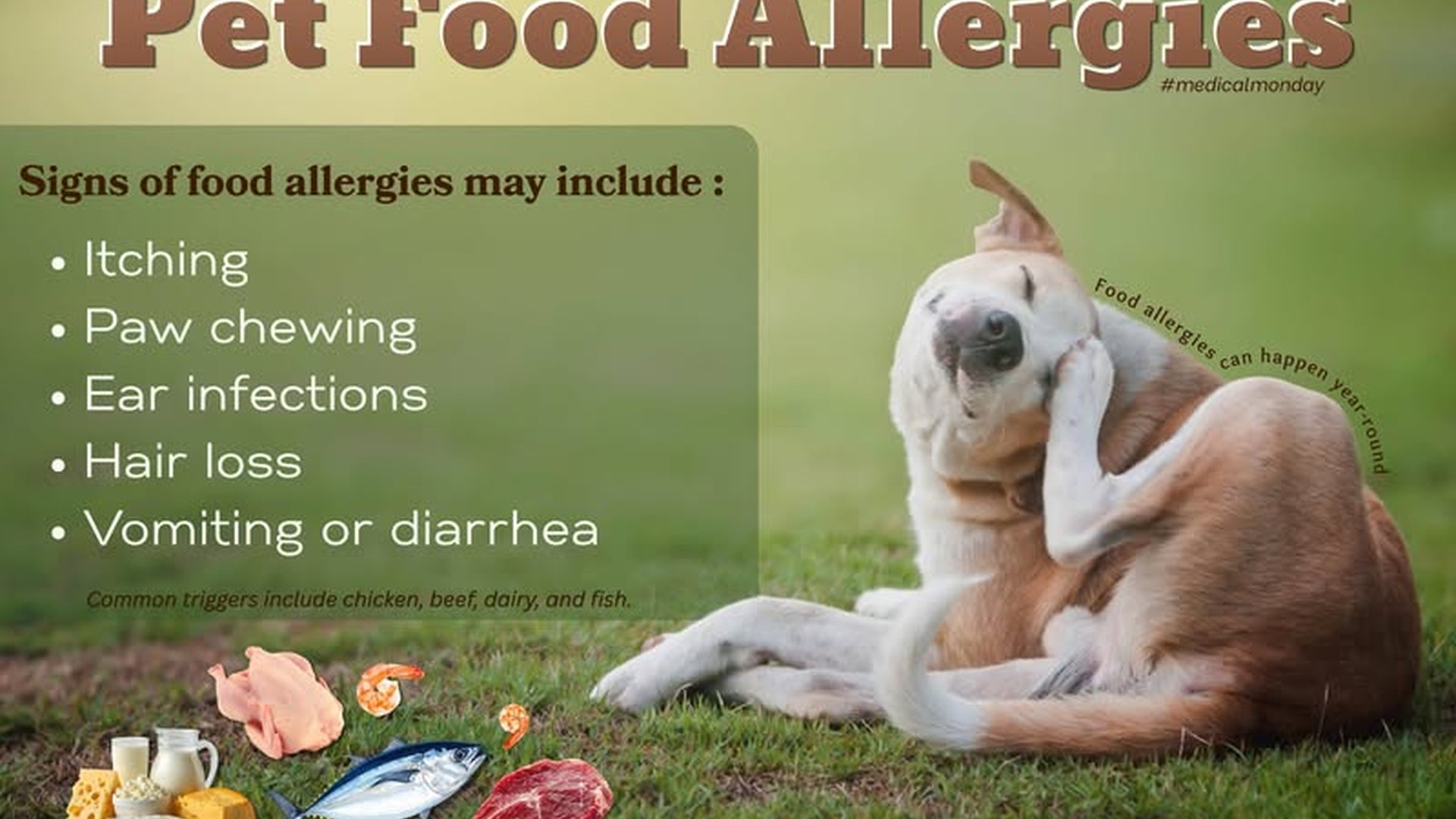
Pet food allergies are immune system overreactions to specific proteins in food. Common culprits include beef, chicken, dairy, eggs, and fish. But here’s the twist: it’s not the food itself that’s harmful—it’s your pet’s immune system that misidentifies a protein as a threat.
Unlike food intolerances, which involve digestive system issues, food allergies trigger an immune response. This means the reaction isn’t just about how well the body digests food—it’s about the body’s mistaken war on a harmless ingredient. For example, a small dog named Max, a 3-year-old Dachshund from Portland, Oregon, developed red, inflamed skin on his belly and behind his ears. His owner tried over-the-counter shampoos and supplements, but the itching only got worse. It wasn’t until a vet performed a food elimination trial that Max’s allergy to chicken protein was confirmed. Cutting out chicken from his diet led to dramatic improvement in just three weeks.
Food allergies often appear in pets under five years old, and symptoms may include chronic ear infections, frequent licking, vomiting, and loose stools. The key clue? Symptoms persist year-round, not seasonal. If your pet reacts every time you feed them a certain brand, it’s a strong signal that food is the trigger.
What Triggers Environmental Allergies?
Environmental allergies, also known as atopy, come from airborne or contact allergens in the pet’s everyday surroundings. Pollen, mold spores, dust mites, and even certain grasses can cause a reaction. These allergens aren’t eaten—they’re inhaled or absorbed through the skin.
Think about a golden retriever named Luna, who lives in suburban Atlanta, Georgia. Before spring arrived, her owner noticed she was constantly scratching around her paws, face, and groin. At first, they assumed it was fleas. But nothing worked. Then, during the high-pollen season in April, her symptoms spiked. A visit to the vet confirmed she had seasonal environmental allergies, triggered by tree pollen and grasses.
Environmental allergies tend to flare up in specific times of year—spring, fall, or even summer depending on location and climate. Unlike food allergies, these reactions often start later in life, typically between 1 and 4 years old. And they’re more common in certain breeds—like Labradors, German Shepherds, and West Highland White Terriers—due to genetic predisposition.
The pattern is key: seasonal itching, especially in spring and fall, with less gastrointestinal distress. Your pet may rub their face on the floor, chew on paws, or tilt their head from ear discomfort. If symptoms worsen on a sunny day or after a walk in the yard, environment is likely the cause.

Diagnosing the Difference: Symptoms and Patterns
Knowing what to look for helps you and your vet pinpoint the root cause faster. Food allergies often show signs in the digestive tract—vomiting, diarrhea, gas. But they also cause skin issues: redness, sores, hair loss, and constant licking. The pattern? Consistent, year-round symptoms.
Environmental allergies, on the other hand, are more predictable in timing. If your pet starts scratching hard every fall, or develops crusty ears after playing in the yard, that’s a red flag. These reactions are often concentrated on paws, ears, underbelly, and face—areas exposed to allergens through contact or inhalation.
A 2021 study published in the Journal of Veterinary Dermatology found that among 500 allergic dogs, 42% had environmental allergies, 28% had food allergies, and 30% had both. That overlap is important—some pets suffer from a double burden. But diagnosing them separately ensures proper treatment.
To help distinguish, your vet may recommend a food elimination diet to rule out food allergies. This involves feeding a single-protein, novel-diet food (like duck and potato) for 8 to 12 weeks, with no treats, table scraps, or supplements. If symptoms improve, it’s likely a food allergy. For environmental allergies, allergy testing (such as blood tests or intradermal skin tests) can identify specific allergens.

Treatment: Once You Know the Cause
Treatment depends entirely on the type of allergy. For food allergies, the only truly effective solution is eliminating the allergen. That means switching to a hydrolyzed protein diet or a limited-ingredient diet under veterinary supervision. Some pets need prescription hypoallergenic food for life.
Environmental allergies are trickier to avoid because you can’t control the air. But treatment options are wide-ranging. These include antihistamines, corticosteroids, immunotherapy (allergy shots), and specialized shampoos to reduce allergens on the skin. For example, a Boston Terrier in Chicago had severe ear infections seasonal allergies. After allergy testing, her vet prescribed monthly immunotherapy shots, and her ear issues dropped by 70% in six months.
It’s important to note: treating environmental allergies often takes time. You might see some relief after a few weeks, but full control can take 6 to 12 months. Patience, consistency, and vet support are essential.
You Don’t Have to Guess—Get Help Early
Allergies aren’t just uncomfortable—they can lead to secondary infections, behavioral changes, and long-term damage if left untreated. But the good news? With clear diagnosis, effective treatment, and real understanding, most pets can live happy, itch-free lives.
The key takeaway? Food allergies are triggered by what your pet eats. Environmental allergies come from what they breathe or touch. Their symptoms may mimic each other—but their roots, patterns, and solutions are fundamentally different.
So the next time your pet licks their paws, rubs their ears, or seems restless, don’t jump to conclusions. Look at timing. Watch for patterns. And when in doubt, talk to a vet. Early action means faster relief—for your pet, and for you.